كنّا ابتدأنا


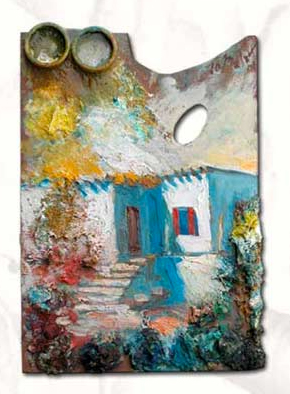
Lebanese House by J. Matar

Poem by George El-Hage

كنّا ابتدأنا

عادتْ لنا الرؤيا وأبكانا اللقاءْ
طفلان لا يشفيهما غير البكاءْ

عادت لنا الأيامُ مزهرةً
ما همّنا الحسّادُ إنْ حسدوا.. سواء

فأبكي.. ولا تخشَي.. على كتفي
أشتاقُ أن تبكي على كتفي سماء

ما أروعَ اللحظاتِ تجمعنا
طيران عن أشواقنا ضاق الفضاء

هذي يدي ذوبي براحتها
عطراً ولوناً بعض بهجته الضياء

وتساقطي سحباً على عطشي
السيف تواقٌ إلى لون الدماء

يا ديمتي يا الآه من وتري
يا البالَ مرسوما بأنفاس الصفاء

إني لأشعر إذ أضاجعكِ
أني أضاجع كل أجناس النساء

أشياؤك الكانت تراودني
ظلّت وعوداً دونها غصص اشتهاء
Continue reading كنّا ابتدأنا →
Thought Police: What were they thinking?


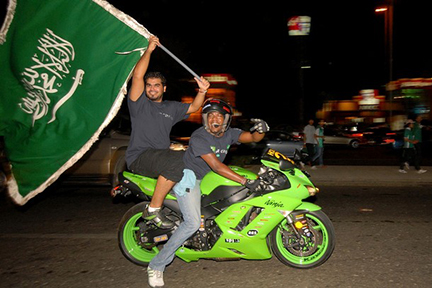
Celebrating Saudi Arabia’s National Day

In case you missed it, September 23 was Saudi Arabia’s National Day, the oil-driven nation’s 4th of July. Not surprisingly many people, proud of their country, took to the streets to celebrate. But what is good for the state is not necessarily seen as good for the faith, especially in the conservative Wahhabi/Salafi variety that weds tribal origin with a dogmatic theology. The tension between a strict form of Islamic practice and the diversity that instills cultural practices has always been a problem, perhaps even more so with the wealth economy that the current generation of Saudi youth has grown up in. In 1927 King Abdul Aziz established the Committee for Promotion of Virtue and The Prevention of Vice. In short this is known as the “religious police.” For those less familiar with Islamic doctrine, this relates back to the classic Quranic principle of al-amr bi- al-maÊ¿ruf wa-al-nahy Ê¿an al-munkar, generally translated as commanding right and and forbidding wrong. There is a long history about the use of this penchant phrase, analyzed in detail by Michael Cook in his Commanding Right and Forbidding Wrong in Islamic Thought (Cambridge University Press, 2010), a work of over 700 pages.

Abdullah Hamidaddin has written an interesting commentary on a recent tragedy on the Saudi National Day in which a car of religious police chased a vehicle that apparently was thought to contain two drunken men. In the chase the car careened off the road, killing the driver and his brother. The religious police fled the scene, but the chase was captured on a cell phone video. When the video was posted to social media, there was an outcry to rein in the zealous religious police. In this case it turned out the men had not been drinking.

What were these “thought police” thinking? I say “thought” rather than “religious” police, because the very nature of the committee leads to a kind of witchcraft mentality. Continue reading Thought Police: What were they thinking? →

Moroccan Photography Museum


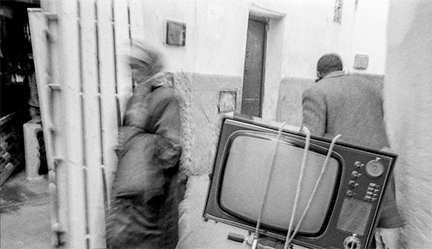
اما المراكشي داود ولد سيد، المتأثر بالمصورين هنري كارتييه بريسو وروبرت فرانك وريتشارد افيدون، فقد تخصص بتصوير الرحلات المنفردة التي قام بها في ارجاء المغرب. في هذه الصورة، ينقل رجل جهاز تلفاز في الرباط.

The Arabic BBC website has presented several photographs for a proposed Moroccan Photography Museum in Marrakesh. Here are two of the photographs.


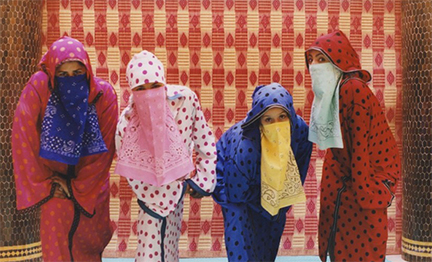
حسن حجاج الذي ولد في المغرب عام 1961 غادر بلاده الى لندن في سن مبكرة. تجمع اعمال حجاج العناصر المرئية لفن تصوير الازياء المعاصر مع فن البوب.

The Boon in Yemen’s Bun


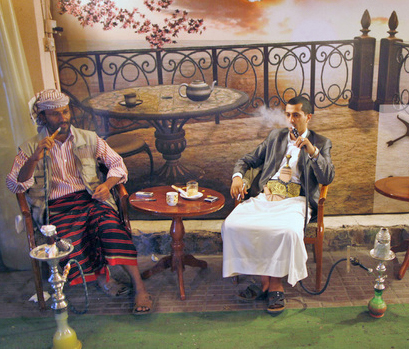
Men smoke shisha water pipes in a cafe in Sanaa, Oct. 1, 2011. (photo by REUTERS/Ahmed Jadallah)

Yemen’s Modern Coffee Shops: Progressive, Yet Exclusive
by Farea al-Muslimi, Al-Monitor, September 5 2013

SANAA, Yemen — Over the past few decades, Yemen has been known to conjure images of serious conservatism, isolation between men and women and male dominance over issues pertaining to daily life.

However, things look different here: A group of boys, girls, men and women are having discussions in modern coffee shops, which have become popular in the past 10 years and have significantly become more common across Sanaa in the past few years, including the historical part of the old city. The coffee shops, however, are more concentrated in the southwest of the city, where the richest and most open neighborhood, al-Siyasi Hadda, is located. They have become posh meeting spots for the privileged classes that can afford it.

There are coffee shops with foreign names that largely resemble any coffee shop in Amman, Cairo or Beirut, but the difference here is that the stone buildings are more elegant and posh.

Waitresses — hailing from Ethiopia and East Asia, alongside a few Yemenis — wear uniforms and serve you with a gentle smile that you cannot find elsewhere in the city. In fact, you usually cannot so much as look at a woman’s body, even if she were covered from head to toe. One can typically see little more than the standard black abaya, or a niqab for the more conservative.

You can order hot or cold beverages and Western snacks, the names of which are unknown to many people. Moreover, you can spot the most modern and cleanest coffee shops if you do not smoke shisha [sweetened tobacco smoked with a water pipe]. Some coffee shops offer it for high prices, while others do not find it suitable to be served in their establishment. Continue reading The Boon in Yemen’s Bun →