By James M. Dorsey, RSIS Commentaries, October 16, 2013
Synopsis
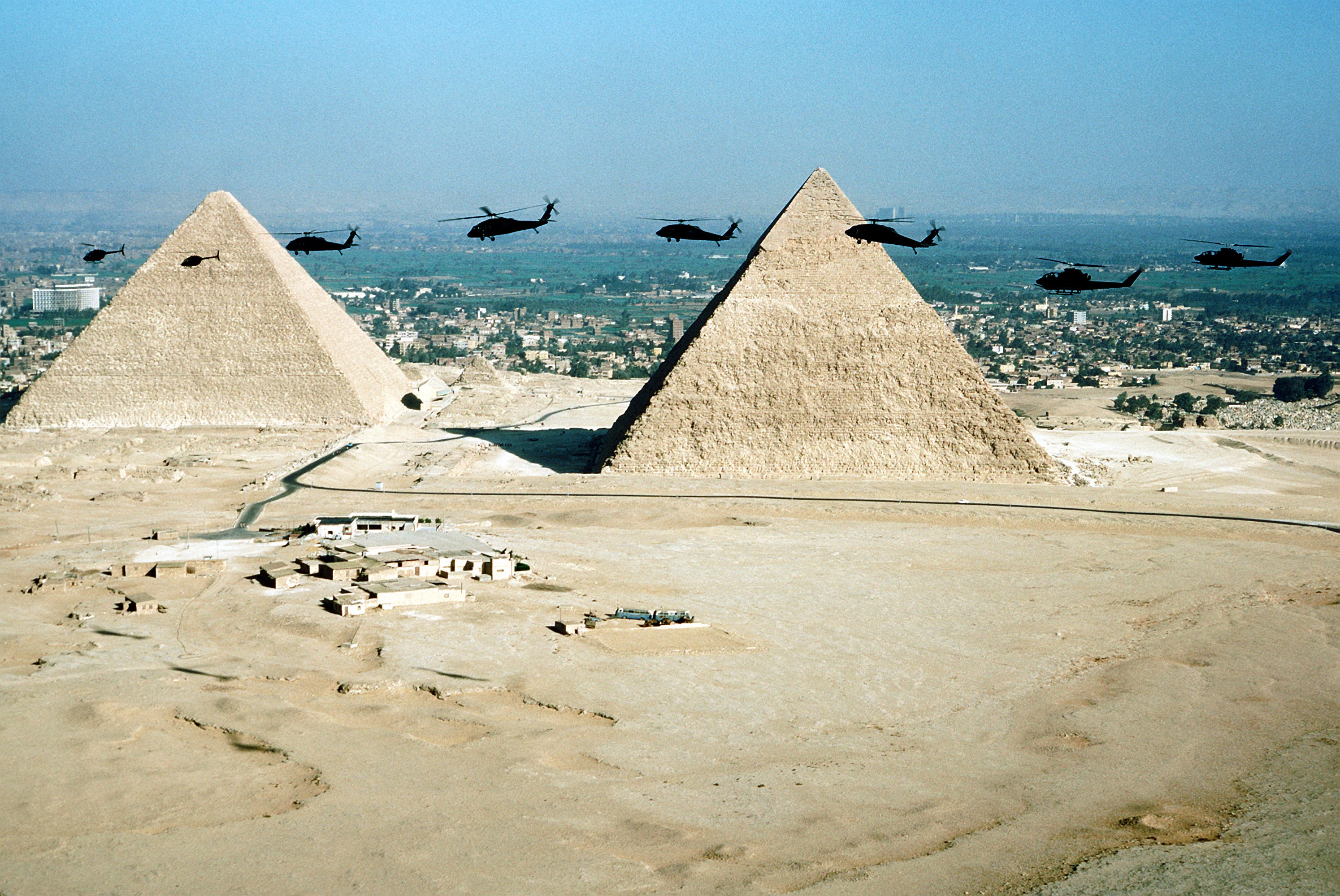
The decision by the Obama administration to freeze military aid deprives the Egyptian military of its favourite toys but does little to weaken its military capability. It further strains relations with key US allies in the Gulf, and highlights Washington’s difficulty in balancing its twin goals of stability and democratisation in the Middle East and North Africa.
Commentary
THE OBAMA administration’s decision to impose sanctions on Egypt’s military-appointed government following the killing of 51 anti-military protestors in Egypt illustrates the US’ limited leverage on one of its closest allies in the Middle East and North Africa. It also reflects its difficulty in striking a balance between acknowledging that the region has entered into an era of messy transition and maintaining close ties to its counter-revolutionary allies such as Saudi Arabia.
Washington had refrained in the past three months to define as a coup the military’s overthrow of Egypt’s only democratically-elected president and brutal suppression of the Muslim Brotherhood that left more than 1,000 people dead, to avoid being legally obliged to cut off aid.
Reinforcing worries about US stance
The aid freeze comes on the heels of the announcement of a November date for the start of court proceedings against ousted president Mohamed Morsi. It is likely to reinforce Saudi and Israeli fears that Washington is steering a dangerous course not only by its perceived support for fundamental change of the region’s established order but also by its willingness to engage with revolutionary Iran, seen by Arab conservatives as a threat to their national security.
In anticipation of the US sanctions, Egyptian interim President Adly Mansour secured pledges for continued support from Saudi Arabia and other cash-rich Gulf states that have already funded his government to the tune of US$12 billion. In advance of the coup against Morsi, Saudi Arabia had already assured the Egyptian military that it would compensate for any loss of US economic and financial aid.
The Gulf’s support has kept the post-Morsi government afloat but does little to address Egypt’s festering, structural economic problems nor does it offer the prospect of substituting military hardware for what is the world’s 14th largest armed forces. Continue reading US Freezing of Military Aid to Egypt: How Much of a Dent?