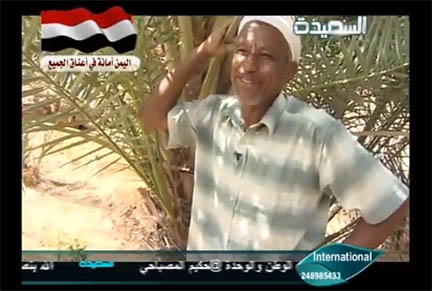
Here is a fascinating video on various types of dates and their use in the Hadramawt.
Here is a fascinating video on various types of dates and their use in the Hadramawt.
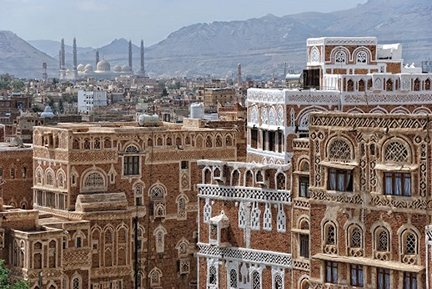
So if you were to pick the ten most dangerous cities in the world, what city in the Middle East do you think would be near the top of the list? Mogadishu, by the way, is number 7 and Peshawar, Pakistan is number two. So would you believe that number 3 is Sanaa? Sanaa more dangerous than Kabul, Aleppo or Baghdad? This is what an Internet top-ten list says, although I seriously doubt the person or machine compiling the list has ever been to Sanaa. And dangerous for whom exactly? Here is what the blurb says:
A politically instable country, Yemen has its share of problems. That being said, the capital city, Sana’a, is one of the most dangerous places in the entire world. Despite the best efforts of US allies, the city remains a high risk destination. Those who do make it there enjoy visiting the Old City, a section of Sana’a full of beautifully designed buildings from a more peaceful time.
Indeed Yemen is unstable, but there are relatively few deaths reported there and life goes on pretty much as usual for most Yemenis living there. I know that there is instability in Yemen but the word “instable” for me conjurs up Dodge City and the OK corral. Sanaa may have its security problems, but I will take it to the destruction going on in Iraq, Syria or Afghanistan any day.
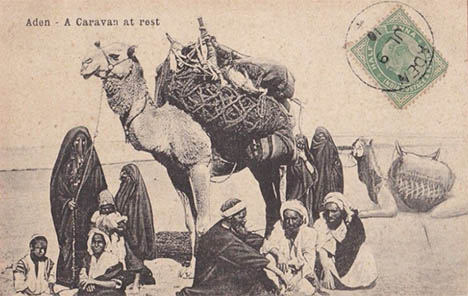
There are many postcards on the Internet from old Aden under British control. This continues the series with views of the camel caravans that came to Aden.
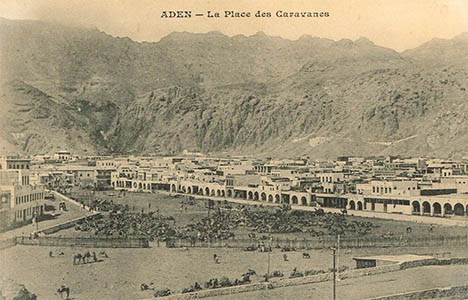
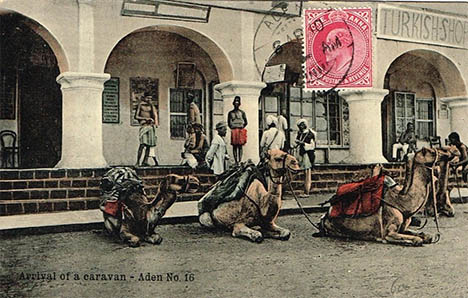
to be continued… for #10, click here.
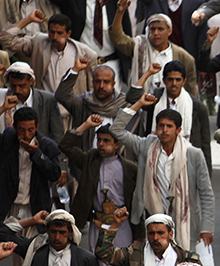
Only in Yemen would protesters come out in droves with cheeks bulging with qat. The image above is a close-up of a much larger photo published in AlMonitor and entitled “Supporters of the Shiite Houthi rebel group shout slogans during a demonstration in Sanaa against the deportation of Yemeni laborers from Saudi Arabia, April 5, 2013. (photo by REUTERS/Khaled Abdullah).”
There are many postcards on the Internet from old Aden under British control. This continues the series with views of Aden’s famous Tanks.
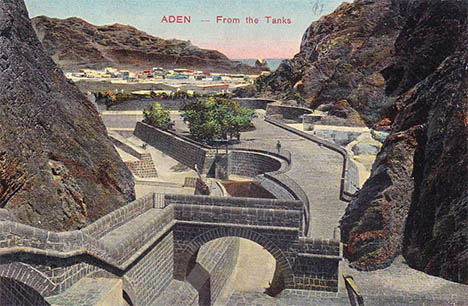
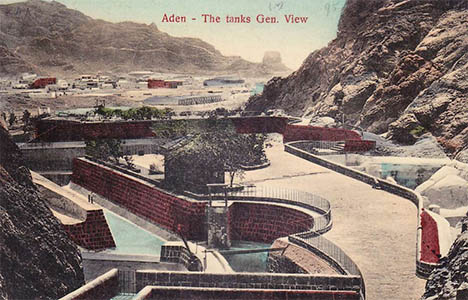
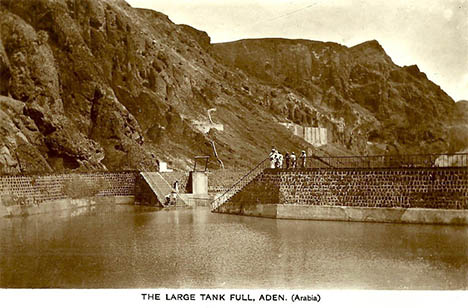
to be continued… for #9, click here.
السبت, 22-مارس-2014
الثوتة نوز.نت
–
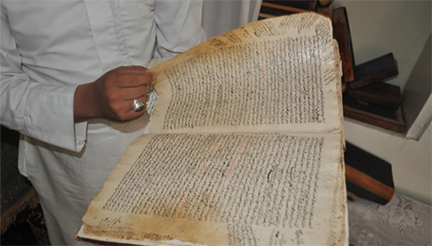
يعتبر اليمن موطنا للمخطوطات والرقائق القرآنية بامتياز، Øيث إن التاريخ والموروث الØضاري العربي الإسلامي بكل تجلياته ØŒ وجد بيئة Øاضنة لم تكش٠لØد اليوم عن كامل أسرارها وكنوزها النادرة التي لا تنضب .
ورغم تعرض المخطوط اليمني لعملية نهب منظمة إبان الاستعمار البريطاني ØŒ قدرت بأزيد من 60 أل٠مخطوطة على الأقل ØŒ إلا أن الوثائق اليمنية غير المكتشÙØ© أكبر بكثير مما سلط عليه الضوء .
وتتوزع المخطوطات اليمنية ÙÙŠ العالم بين مختل٠المكتبات والمراكز المختصة بشكل رسمي ØŒ Ùنجد أن مكتبة “الأميروزيانا” التي تأسست عام 1609 ÙÙŠ مدينة ميلانو ØŒ تزخر لوØدها بأكثر من 1700 مخطوط يمني ÙÙŠ مختل٠مجالات العلم والمعرÙØ© ØŒ بالإضاÙØ© إلى آلا٠الوثائق اليمنية التي تنتشر على مكتبات قارات العالم بأكمله .
ومن المكتبات العالمية التي تØتضن ÙÙŠ أروقتها مخطوطات يمنية ØŒ نذكر: مكتبة الÙاتيكان ÙÙŠ إيطاليا ØŒ مكتبة الإسكوريال ÙÙŠ إسبانيا ØŒ المكتبة الوطنية ÙÙŠ باريس ØŒ مكتبة الكونغرس ÙÙŠ واشنطن ØŒ مكتبة برلين ØŒ المكتبة السليمانية ÙÙŠ تركيا ØŒ إلى جانب مكتبات ÙÙŠ الهند وباكستان وبريطانيا وإيرلندا.
وقد شكل العثور بالصدÙØ© على مجموعة من المخطوطات ÙÙŠ Ø³Ø·Ø Ø§Ù„Ø¬Ø§Ù…Ø¹ الكبير بصنعاء قبل أكثر من 40 عاما ØŒ وضمت ÙÙŠ مقتنياتها 40 أل٠مخطوط بينها 12 أل٠رق جلدي قرآني ØŒ إضاÙØ© نوعية تنضا٠إلى كنز ÙŠØªØ±Ø§ÙˆØ Ø¹Ø¯Ø¯Ù‡ بين 300 أل٠إلى مليون مخطوط يمني ØŒ كما ØµØ±Ø Ø¨Ø°Ù„Ùƒ المستشرق الألماني (أريو ان) .
وتمتلئ المكتبات اليمنية العامة والخاصة بآلا٠الكتب التي سهر على تأليÙها علماء وعالمات يمنيات منذ بزوغ Ùجر الإسلام إلى العصر الØديث .
Continue reading المخطوطات اليمنية إرث Øضاري أصيل يزين مكتبات العالم
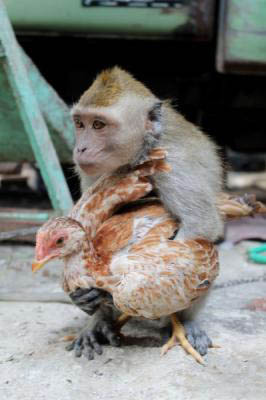
من غرائب الطبيعة .. قرد يقع ÙÙŠ Øب دجاج
الإثنين, 27-يناير-2014
Øضرموت نيوز – اليمن متابعات
وقع قرد ÙÙŠ غرام دجاجة من النظرة الأولى، Øين شاهدها ÙÙŠ سوق Ù…Øلية بجزيرة جاوا الإندونسية، بينما كان برÙقة مالكه.
وقالت صØÙŠÙØ© «ديلي ميرور»، إن مشهد القرد والدجاجة معا صار مألوÙا ÙÙŠ سوق منطقة بانيوانغي، الواقعة ÙÙŠ الطر٠الشرقي من جزيرة جاوا.
وأضاÙت الصØÙŠÙØ© التي نشرت صورا للثنائي السعيد، أن القرد يملكه رجل يدعى، Øكيم، ويقيده بالسلاسل Øتى لا يتمكن من التØرك لمساÙØ© بعيدة، ما Øرمه من الاستمتاع بقضاء أوقات طويلة مع Øبيبته الدجاجة.
ويأتي خبر العلاقة الغرامية بين القرد والدجاجة، بعد أن ذكرت تقارير صØاÙية أواخر العام الماضي، أن كلبا من Ùصيلة الراعي الألماني، وقع ÙÙŠ غرام وزة تمكنت من ترويضه بسبب طبعه الشرس، والذي كان يتطلب قيام شخصين بإطعامه، واØد لإلهائه والآخر لرمي وعاء الطعام ÙÙŠ Øظيرته.
وكان الكلب (ريكس)ØŒ البالغ من العمر 11 عاما، يعيش ÙÙŠ دار لرعاية الØيوانات الشاردة، ÙˆÙŠÙ†Ø¨Ø ÙˆÙŠØªØ°Ù…Ø± من كل شيء يمر من أمامه، ويطارد الأرانب البرية لأكلها، لكنه سرعان ما هدأ Øين شاهد وزة تدعى «جيرالدين» ووقع ÙÙŠ غرامها من النظرة الأولى، وصارا يتنزهان معا وينامان ÙÙŠ سرير واØد كل ليلة.<
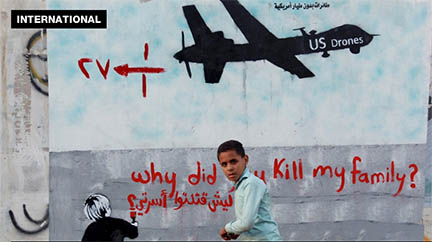
YEMENIS AFFECTED BY U.S. DRONE STRIKES TO LAUNCH VICTIMS’ UNION
by Amel Ahmed, Al Jazeera, March 31, 2014
Friends and family members of victims of U.S. drone strikes in Yemen are launching a national drone victims’ organization Tuesday to support affected communities and lobby for a change in Yemeni government policy regarding the covert program.
The National Organization for Drone Victims (NODV), with the assistance of UK-based legal charity Reprieve, will conduct investigations of drone strikes and highlight the civilian impact of the U.S.’ controversial drone program in Yemen.
Baraa Shiban, the project coordinator for Reprieve, told Al Jazeera that the constant presence of drones in Yemen is devastating communities. “We are talking almost 50 percent of the country — ten provinces in total — who suffer from the constant hovering of drones.â€
Shiban said that NODV will assist affected communities in the aftermath of drone strikes by focusing on the economic impact of the loss of families’ primary bread-winners, psychological trauma and physical injuries. Continue reading Against the Drones