How to Kill a Terrorist


Predator drone

by Abdullah Hamidaddin, al-‘Arabiyya, September 11, 2013

On May 23, 2013 in a wonderful speech, that is yet to be translated into action, President Obama declared an end to the Global War on Terror (GWOT) which the U.S. has been waging since the early days after 9/11. Yet, killing terrorists is still on his agenda and that of other leaders around the world, albeit in a more “moderate” fashion. So here are some preliminary thoughts which I believe should guide this policy of killing.

The golden rule for killing a terrorist, actually the two golden rules, are simple and direct. The first golden rule is: do not become a terrorist in the process. The second rule is: do not create two or more terrorists for every terrorist you kill.

Very simple!

Yet the record of the past twelve years tells us that those two rules have been broken again and again and again. Some of those fighting terrorism have become as bad, and sometimes worse, than the terrorists they are fighting. Consequently, a new generation of terrorism has been born out of the very war that was supposed to fight and end terrorism. Moreover radicalization in our region has reached new and unprecedented limits; which is in itself a threat to civil peace. So what I will do here is register some of the ways in which those two rules have been broken, as things to be avoided in future killings.

Before I start with the first rule, I need to define what I mean by a “terrorist.” Continue reading How to Kill a Terrorist

Holy Land Photo Archive


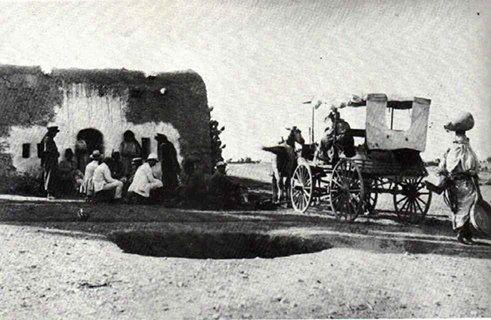
Arab Settlement Of Kakun, in the Sharon valley, with carriage of European visitors, 1911

Many tourists flocked to the Holy Land in the 19th and early 20th centuries, not to mention the people who lived there. Quite a few took along cameras. There is a major archive of photographs of late Ottoman and Mandate Palestine here. The photographs are separated by area. It is well worth a look.


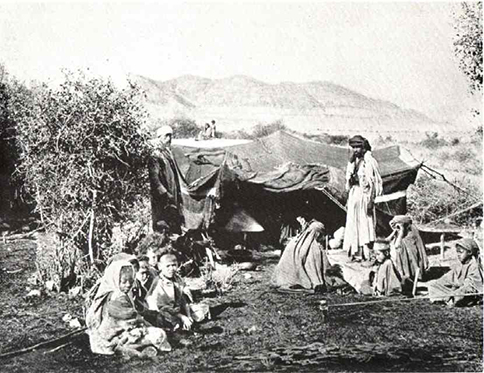
Bedouin camp in Jericho, 1893

Continue reading Holy Land Photo Archive

An 1873 Geography Lesson #3

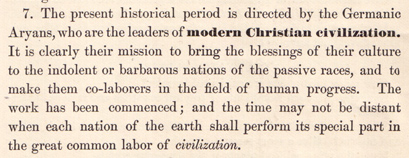
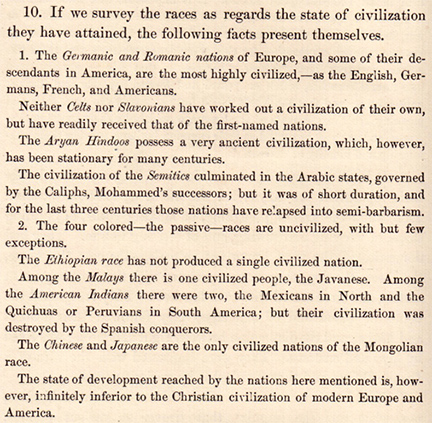
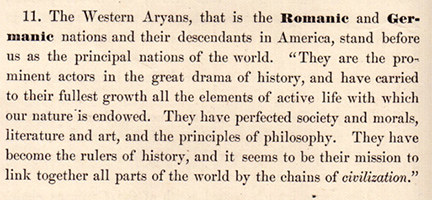
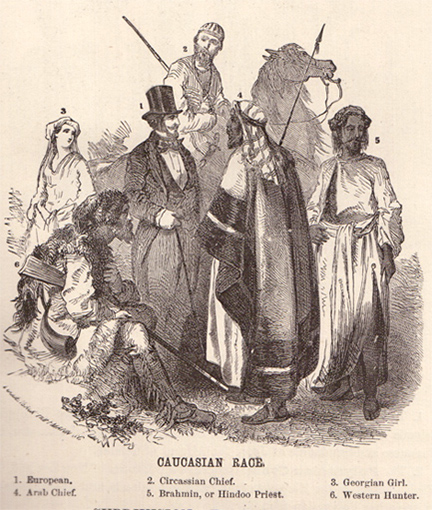
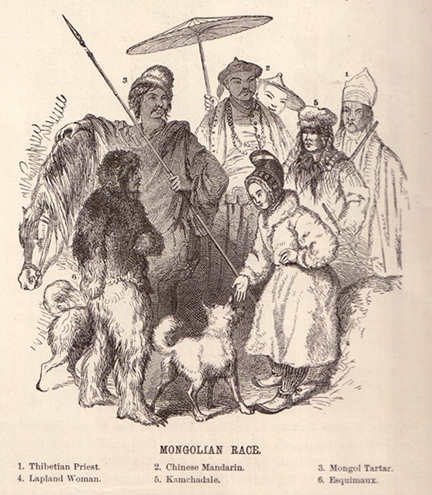
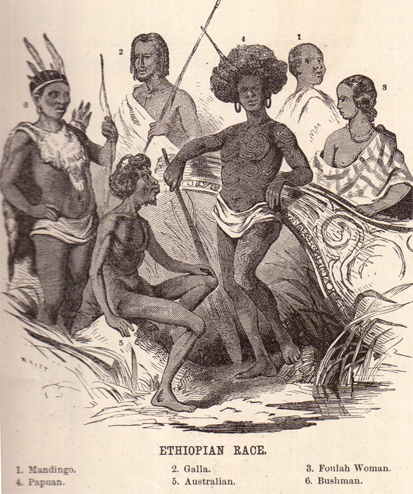
My grandmother’s aunt, Ms. Ida Hoyt, owned an 1873 geography textbook entitled An Elementary Treatise on Physical Geography by D. M. Warren (published by Cowperthwait & Co of Philadelphia). For Part 1, click here and for Part 2, click here. A vital part of geography at the time was the issue of “race,” which was as misunderstood after the American Civil War as before it. “Arabs” were admitted into the Caucasian Race, on a par with the “Western Hunter.” The five major racial categories are shown below.

Continue reading An 1873 Geography Lesson #3

Yemeni Artists


Yemeni artist Ziad Nasser al-Ansi, who won fourth place at the Dubai Cultural Innovation Awards, blends Yemeni architecture with local decoration and patterns. Above, al-Ansi’s painting that won the President’s Award in 2006.

Yemenis take home top awards at Dubai cultural competition

by Faisal Darem, Al-Shorfa, September 6, 2013

Yemeni Bassam Shamseddine was taken by surprise when his wife told him she had submitted his novel, “Laanat al-Waqif” (The Curse of the Stander), to the 2013 Dubai Cultural Innovation Awards without his knowledge.

A bigger surprise awaited him when his book placed fifth in the novel category, he told Al-Shorfa.

Shamseddine is one of three Yemenis who placed at the eighth edition of the awards.

Khaled Abdul Haleem al-Absi placed second in the short story category for his collection, “Wa Alam Adhaat Sihruha” (And the Pains Have Lost Their Magic), while Ziad Nasser al-Ansi placed fourth in the fine arts category.

The winners’ names were published in the September issue of the Dubai Cultural Magazine.

Awards were distributed across eight categories, including UAE cultural personality of the year, poetry, short story, novel, fine arts, dialogue with the West, theatre writing and documentary film.

“This is the first time I have taken part in a literary competition, and the award is a significant moral support for me to continue writing novels and stories,” Shamseddine said. Continue reading Yemeni Artists

An 1873 Geography Lesson #2

My grandmother’s aunt, Ms. Ida Hoyt, owned an 1873 geography textbook entitled An Elementary Treatise on Physical Geography by D. M. Warren (published by Cowperthwait & Co of Philadelphia). The book itself, which I recently leafed through, is falling apart, but it is worth taking a brief look at some of the lithographic images. For Part 1, click here. Here is the section on the winds.

to be continued

Unbrotherly Brotherhood, Undemocratic Military

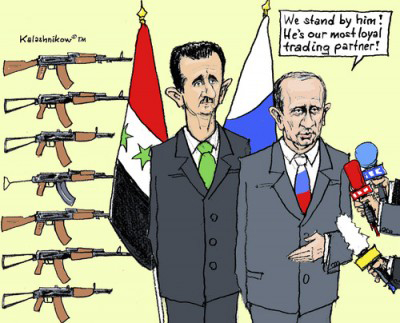
The debate over whether or not to send a cruise missile or two into Syria and spank Bashar al-Assad for adding chemical weapons to his bloody arsenal of putting down the revolt in Syria has overshadowed the continuing battle in Egypt for control of the political future. In both situations there is an alarming paradox for most Western observers: there seem to be no good guys wearing white hats, like in an early John Wayne movie. The al-Assad clan has run a security-based dictatorship that, like Saddam Hussein, tortured and killed opponents. But the major opposition, at least at this point in the ongoing civil war, includes a number of extremists who would be as bad a choice to take over. As the American experience in both Iraq and Afghanistan well demonstrates, the friendly (to us) leaders we would like to install (and did with impunity in the old days) do not work out so well these days.

Egypt may not be today’s top story coming out of the Middle East, but it is hardly a stable situation. An article just out in the New Yorker by Joshua Hersh illustrates the clear objective of the Muslim Brotherhood to de-secularize Egypt. Those who came to power around Morsy were not very brotherly brothers and created a backlash by attempting to muscle out those who were not of their ideology. Continue reading Unbrotherly Brotherhood, Undemocratic Military