Category Archives: Yemen

Interview with Abu Bakr al-Qirbi


Asharq Al-Awsat talks to Yemeni Foreign Minister Abu-Bakr al-Qirbi

By Mohammed Jumaih, Asharq Al-Awsat, July 31, 2011

London, Asharq Al-Awsat-
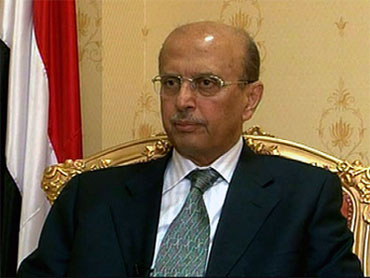
During the visit by Yemeni Foreign Minister Abu-Bakr al-Qirbi to the British capital, London, Asharq Al-Awsat met him and interviewed him on the latest developments on the Yemeni scene. Al-Qirbi spoke about the regional and international roles in helping to resolve the Yemeni crisis. Al-Qirbi spoke about the efforts of the vice president and his discussions with the UN secretary general’s envoy in this regard. Al-Qirbi pointed out that the Gulf Initiative is the appropriate grounding for the solution while taking into consideration the views of the United Nations. Al-Qirbi stressed that if matters proceed in the right direction then they are heading toward announcing early elections in the country. Al-Qirbi spoke about the Al-Qaeda file in Yemen and other issues during this meeting.

Following is the text of the interview:

[Asharq Al-Awsat] First, what is the nature of your visit to the United Kingdom?

[Al-Qirbi] As you know, many British, German and American envoys visited us in Yemen and there is communication with European and Gulf decision-makers. We in Yemen prefer that meetings be held at the highest levels with the officials in these countries in order to explain the picture in a more detailed way and to discuss views that are close to reality regarding the Yemeni issue.

As a journalist you know that what is written about Yemen has been exaggerated to the point an expert analyst finds it difficult to follow, let alone a minister who is busy with other matters. Above all, the decision-makers in these countries are receiving a kind of simplified synopsis that does not reflect the picture fully and accurately. This is why we in Yemen want to hold such meetings with brotherly and friendly officials so we can portray a clear picture of the true situation in Yemen in a balanced way despite what is being said in the media which often lack accuracy and objectivity.

[Asharq Al-Awsat] What is the nature of the European and American role toward what is witnessed on the Yemeni scene today in terms of popular movements, which the opposition calls a revolution and you call a political crisis? Continue reading Interview with Abu Bakr al-Qirbi

Digitalizing Yemeni Manuscripts


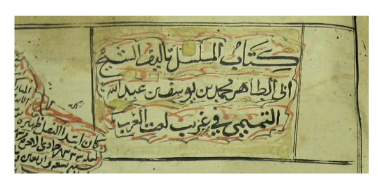
Detail from the title page of MS Glaser 20, Staatsbibliothek zu Berlin

Given the current unrest and economic turmoil in Yemen, little thought is being given to Yemen’s vast cultural heritage. But there is hope, at least for preservation of manuscripts. The German Archaeological Institute in Sanaa has recently released a report in English and Arabic entitled Preserving Yemens’ Cultural Heritage: The Yemen Manuscript Digitization Project and written by Sabine Schmidtke and Jan Thiele. This is available for reading online or as a pdf download.

Yemen in 1911


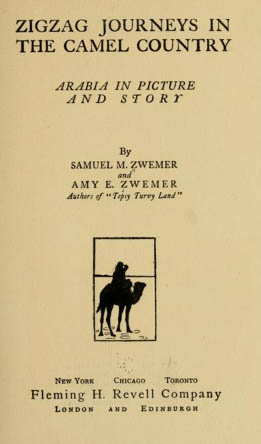
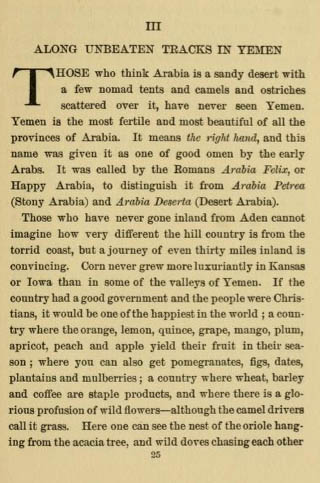
A century ago Yemen was still very much a terra incognita for Europeans and Americans. The British controlled the port of Aden, but few individuals were allowed to travel up through the highlands to visit the realm of the Zaydi imam. One of the few was Samuel Zwemer, an American missionary who spent several years in Yemen and other parts of Arabia. His desire to convert Arabs to Christianity seeps through his description, but the photographs published in his Zigzag Journeys in the Camel Country, written with his daughter Amy, are valuable documentation. I attach below a chapter on a trip he made up to Sanaa a century ago. The photographs will follow in a future post. For an earlier post on Zwemer, click here.


Continue reading Yemen in 1911

Sailing to Yemen with human traffickers


Journalist who took the human smuggling voyage from Djibouti to Yemen gives a first-hand account of migrant beatings.

by Glen Johnson, Al Jazeera, July 18, 2011

There were more than 30 people crammed on the back of the truck as the vehicle bumped through the desert in eastern Djibouti.

The passengers were men, women and children from Ethiopia and Somalia and myself. And all would be smuggled in boats from Djibouti to Yemen, as part of wider trafficking operations involving six countries – Saudi Arabia, Yemen, Djibouti, Somalia, Ethiopia and Eritrea – that apparently trafficks tens of thousands of people from the Horn of Africa to Arabian nations each year.

I had arrived in Djibouti on June 7 to research human trafficking. Having lived in Yemen for part of 2010, I was aware that the Africa-Arabia smuggling trade was one of the myriad challenges facing Yemen, yet one of the troubled nation’s least discussed. In Djibouti, I quickly established links with smugglers, some of whom agreed to let me accompany migrants from Ethiopia and refugees from Somalia by boat to Yemen.

The truck drove slowly through the desert. No one talked. A distant beam from a lighthouse swept across the night sky. The silhouettes of coarse thorn scrubs, bent back from the wind, stood under a yellow moon that was ill-defined from the dust and sand that swept up into the night.

Occasionally the truck would grind to a halt and men would get out swinging sticks wildly, telling the passengers to keep still. A woman spoke to a child – his hair a mass of coarse, black curls; his spindly legs sticking out the bottom of his trousers. Continue reading Sailing to Yemen with human traffickers

Ali Abdullah Salih: First Take


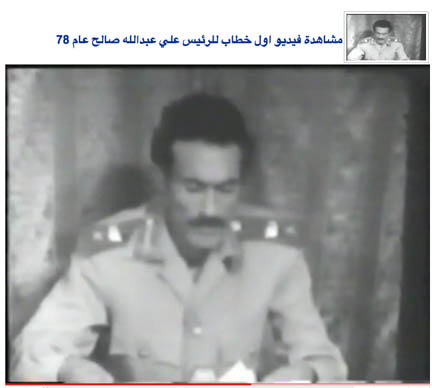
Yesterday, July 17, is a day that will live in history. Not because it was the day of my 35th anniversary, but because 33 years ago Sunday Ali Abdullah Salih came to power in Yemen. Yemen Press has posted a video of his first speech. Yemen remains in stalemate as President Salih remains in Saudi Arabia, despite all the rumors of his return to Sanaa. But stalemate is a downward slope as the government has ceased to function and even basic commodities are hard to get. We are watching a country self-destruct. The fact that videos get posted and Twitter whirls away over the continuing protests overshadows the obvious: Yemen has been a military dictatorship far too long to transition overnight into a practical democracy. Hopefully in another 33 years we will not see yet another first take of a military leader rebroadcast on the Internet…

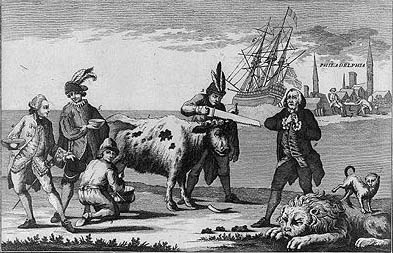
Tabsir Redux: The Cynical Dairy Farmer’s Guide to the New Middle East


BY Karim Sadjapour, Foreign Policy, June 15, 2011

How a couple of cows explain a changing region: equal opportunity offender edition.

In the early years of the Cold War, in an effort to simplify — and parody — various political ideologies and philosophies, irreverent wits, in the spirit of George Orwell, went back to the farm. No one really knows how the two-cow joke known as “Parable of the Isms” came about, but most students of Political Science 101 have likely come across some variation of the following definitions:

Socialism: You have two cows. The government takes one of them and gives it to your neighbor.

Communism: You have two cows. The government takes them both and provides you with milk.

Nazism: You have two cows. The government shoots you and takes the cows.

Capitalism: You have two cows. You sell one and buy a bull.

Over the years, the parables gradually expanded, using the two-cow joke to explain everything from French unions (You have two cows. You go on strike because you want three cows.) to the Republican Party (You have two cows. Your neighbor has none. So what?). While in its original iteration the cows were a metaphor for currency, capital, and property, they later began to take on different meanings.

Today, the Middle East has replaced the Cold War as America’s primary foreign-policy preoccupation. As opposed to the seemingly ideologically homogenous communist bloc, however, the 22 diverse countries that compose the modern Middle East are still confusing to most Americans. Why can’t the Israeli and Palestinians stop fighting already? What’s the difference between Libya and Lebanon again?

Herewith then is a satirical effort to simplify the essence of Middle Eastern governments so that, in the immortal words of George W. Bush, “the boys in Lubbock” can read it. And, rather than symbolizing property, the cows here symbolize people, which — funny enough — is how most Middle Eastern regimes have traditionally viewed their populations.

Saudi Arabia
You have two cows with endless reserves of milk. Gorge them with grass, prevent them from interacting with bulls, and import South Asians to milk them.

Iran
You have two cows. You interrogate them until they concede they are Zionist agents. You send their milk to southern Lebanon and Gaza, or render it into highly enriched cream. International sanctions prevent your milk from being bought on the open market.

Syria
You have five cows, one of whom is an Alawite. Feed the Alawite cow well; beat the non-Alawite cows. Use the milk to finance your wife’s shopping sprees in London.

Lebanon
You have two cows. Syria claims ownership over them. You take them abroad and start successful cattle farms in Africa, Australia, and Latin America. You send the proceeds back home so your relatives can afford cosmetic surgery and Mercedes-Benzes.

Hezbollah
You have no cows. During breaks from milking on the teat of the Iranian cow you call for Israel’s annihilation. Continue reading Tabsir Redux: The Cynical Dairy Farmer’s Guide to the New Middle East

الأزهر والزنداني والدولة المدنية


محمدعبدالملك المتوكل

د.محمدعبدالملك المتوكل, المصدر أونلاين

بتاريخ 21/6/2011م نشرت جريدة الأهرام وثيقة الأزهر بشأن مستقبل مصر وبتاريخ 9 يوليو2011م نشرت جريدة الشارع هجوماً للشيخ الزنداني على الداعين للدولة المدنية والشرعية الثورية مطالباً لهم مراجعة دينهم، ومن المفيد للقارئ أن يعلم أن الأزهر بعلمائه والشيخ الزنداني بجامعته كلهم ينتمون إلى مذهب أهل السنة والجماعة ولكن، وللناس فيما يعشقون مذاهب.

حدد بيان الأزهر أحد عشر مبدأ نذكر منها خمسة مبادئ أساسية تتعلق بنظام الحكم.
الأول: تأسيس الدولة الوطنية الدستورية الديمقراطية الحديثة التي تعتمد على دستور ترتضيه الأمة يفصل بين سلطات الدولة ومؤسساتها القانونية الحاكمة ويحدد إطار الحكم ويضمن الحقوق والواجبات لكل أفرادها على قدم المساواة بحيث تكون سلطة التشريع فيها لنواب الشعب. وينسجم ذلك مع المفهوم الإسلامي الصحيح، فالإسلام لم يعرف لا في تشريعاته ولا حضارته ولا تأريخه ما يعرف في الثقافات الأخرى بالدولة الدينية الكهنوتية التي تسلطت على الناس.. بل ترك للناس إدارة مجتمعاتهم واختيار الآليات والمؤسسات المحققة لمصالحهم مع اشتراط أن تكون المبادئ الكلية للشريعة الإسلامية هي المصدر الأساسي للتشريع وبما يضمن لأتباع الديانات السماوية الأخرى الاحتكام إلى شرائعهم الدينية في قضايا الأحوال الشخصية.
Continue reading الأزهر والزنداني والدولة المدنية

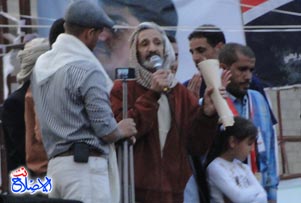
كيف استقبل شباب الثورة بصنعاء ظهور صالح؟!


  • الصورة لمتظاهرين في ساحة التغيير بصنعاء في 4 يوليو الجاري (AP).

    لمصدر أونلاين ـ صلاح القاعدي

    تباينت ردود الفعل لدى شباب الثورة في ساحة التغيير بصنعاء من الظهور العلني للرئيس صالح من خلال خطابه المسجل الذي بث يوم الخميس الفائت، وتوزعت بين حالة من الاحتقان والسخط على القوى المحلية والدولية لتأثيرها على مسار الثورة، وأخرى ساخرة.

    الشباب الذين استولى عليهم السخط والغضب نتيجة شعور سيطر عليهم، بسبب تفويتهم الفرص المتاحة لحسم الثورة، التي كان أبرزها فرصة رحيل صالح إلى السعودية. ومع ذلك خرج الشباب في مسيرات تجوب ساحة التغيير مرددين هتافات ضد قوى يعتقدون أنها سبباً حقيقياً في تأجيل حسم الثورة وومن بينها أحزاب اللقاء المشترك ودولتي السعودية والولايات المتحدة الأمريكية.

    وتنامت حالة العداء تجاه السعودية والولايات المتحدة في أوساط شباب الثورة في اليمن خلال الآونة الأخيرة بسبب دور الأخيرتين البارز في حل المشكلة اليمنية، وسط اتهامات لهما بالتواطؤ مع نظام صالح والسعي لإجهاض الثورة السلمية المطالبة بإنهاء حكم صالح المستمر منذ نحو 33 عاماً.

    الاختلاف في الآراء ووجهات النظر كان سيد الموقف حول انعكاسات خطاب صالح، ويرى الشاب سليمان الراشدي ان اتضاح حالة صالح الصحية بعد أسابيع من التضارب، سيسهل في الإقدام على الخطوات القادمة وتحقيق بقية الأهداف التي قامت من أجلها الثورة.

    لكن كثيراً من شباب الثورة جعلوا من ظهور صالح مادة لصياغة النكتة التي تتميز بسرعة انتشارها على قطاع واسع من اليمن بمختلف الوسائل المتاحة.
    Continue reading كيف استقبل شباب الثورة بصنعاء ظهور صالح؟!