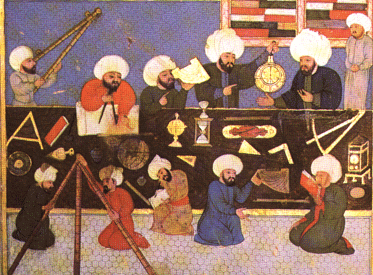
Islamic Medicine at Yale


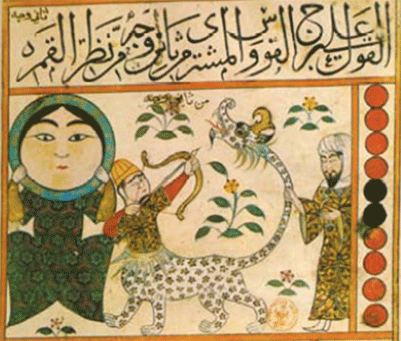
Ibn Sina’s (d. 1037 CE) Qanun, copied in Shiraz in 1645 CE

For anyone interested in the history of Islamic medicine, there are some rare editions of texts by famous Muslim scholars like Ibn Sina (Avicenna), Ibn Masawayh, al-Antaki, al-Damiri, and others, including a few 19th century French translations published in North Africa. These are available to view or as pdfs at Yale University’s library. Below is the press release about the collection:

YALE UNIVERSITY PRESS RELEASE

This digitized collection of selected volumes of medical books and manuscripts, dating from 1300 to 1921, is drawn from the Medical Historical Library, Cushing/Whitney Medical Library. This collection reflects the Arabic and Persian intellectual efforts that translated, augmented, and transmitted Greek and Roman medical knowledge to Western societies during the Renaissance. It includes iconic works by authors such as Avicenna and al-Razi.

The Medical Historical Library, originally formed by the joining of three collections by bibliophiles Harvey Cushing, John Fulton, and Arnold Klebs, has over 120,000 volumes dating from the 12th to the 21st centuries. While primarily composed of works in Western medicine and science, a smaller selection of Arabic and Persian books and manuscripts are a “hidden collection” in the Library. Through the support of the Arcadia Fund, the Medical Historical Library was able to digitize Arabic and Persian books and manuscripts, as well as early translations in Latin, French, and English. Continue reading Islamic Medicine at Yale

Europe and the Challenge of Islam

by Anouar Majid, Tingitana, March 1, 2014

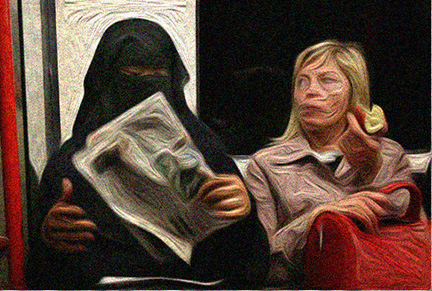
With the intriguing illustration above, Afternposten, the largest Norwegian newspaper, published my article titled “Europe and the Challenge of Islam.” This is the opening salvo of a three-day event called Saladin Days that starts Monday in Oslo’s House of Literature, when I will give a keynote address by the same title. We will, in the course of the conference, discuss and debate issues related to religion, secularism and reflect critically on the legacy of Edward Said, the great literary and cultural theorist.

Saudi women and the illusion of opportunity

by Abdullah Hamidaddin, Al Arabiyya News, February 21, 2014

A few days ago, Sumayya Jabarti was assigned editor-in-chief of the Saudi Gazette. This makes her the first woman in Saudi Arabia to hold such a position. Sumayya is a dear friend whom I’ve known for many years, and I always believed that her talent was underutilized and her potentials were continuously being stifled because she was a female. Men with half her talent reached higher positions in the media in a much shorter time. I am indeed happy for her. This is a well-deserved reward for her efforts and talents, and was long overdue.

One woman’s success, not every woman’s success

Women have had various senior positions in the media, but never the like. In Saudi Arabia, this is not only seen as a rise to a position in a corporate media sector; rather also as a government endorsement. To become editor-in-chief of a daily newspaper usually requires the approval of the Ministry of Information and Culture. As is the case in other cases where a woman takes on a position usually reserved for men, Sumayya’s appointment is seen as a small step in the journey towards equal treatment of women.

I had always wondered about the idea that assumes the success of one woman is a small success for all women. It seemed so unnatural to me. How is one woman connected to another? Why do we talk about women as belonging to one camp; hence considering the victory of one woman in that camp a victory for every woman in the same camp? I understand that many societies have drawn lines according to the physiological structures of our bodies; and have limited the entitlements of people with certain biological features – women – but that does not mean that we should do the same. Foundations of suppression and causes of oppression go much deeper than physiological differences; and proponents of rights should avoid looking at the world through a physiological lens; no matter how appealing and easy it is. One giant step for a womAn is NOT a step for womEn; not even a small step. Continue reading Saudi women and the illusion of opportunity

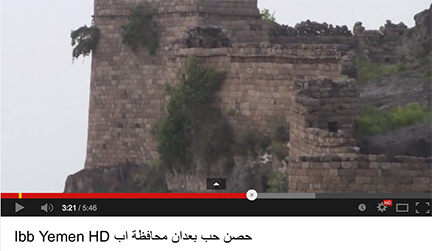
حصن التعكر في محافظة إب


حصن التعكر في محافظة إب .. من اشهر القلاع الحربيه في التاريخ اليمني القديم

صحافة نت 26 نوفمبر 2013

استطلاع / محمد مزاحم / جبل التعكر من أشهر الحصون والقلاع الحربية في التاريخ اليمني القديم لا سيما في عهد الدولة الصليحية.. عندما تفكر بالذهاب إليه.. لمعرفة تلك الأسرار التي تحدث عنها المؤرخون، فإن ذلك يتطلب منك المرور على مدينة جبلة التي تقع شمال شرق التعكر، والتي ارتبط اسمها باسم الملكة أروى بنت أحمد الصليحي وقد جعلت من جبلة العاصمة السياسية لدولتها ومن جبل التعكر منتجعاً سياحياً لها خاصة في موسم الأمطار والإخضرار..

عندما تصل إلى حصن أو جبل التعكر “كما يحب تسميته المؤرخون” فأنك لن تنسى فيما بعد هذا المكان فالحصن لا تجد شبراً من الأرض التي حوله إلا يسيطر عليها الإخضرار..

إضافة إلى أن موقع الحصن الذي يرتفع حوالي “3000” متر فوق سطح البحر يجعلك تسبح في ملكوت الله حيث تستطيع وأنت في قمته أن تمد نظرك إلى أبعد ما يمكن أن يتصوره المرء حيث يطل الجبل من الناحية الجنوبية الغربية على مدينة ذي السفال وأجزاء من السياني ومن ناحية الشمال يمكن مشاهدة مدينة جبلة والوقش وسائلة جبلة ومفرق جبلة أما من الجهة الجنوبية الشرقية فيمكن مشاهدة مدينة السياني وعندما تطل من أعالي جبل “التعكر” فأنك حينها ستشعر وكأنك طائر يطير بجناحيه في السماء، وتزيد لديك أحاسيس الفرح والسعادة عندما تنقل نظرك من جهة إلى أخرى لتشاهد الفضاء الواسع الأفق الرحب، والمناطق الجميلة دائمة الاخضرار والتي يتجه المزارعون لزراعتها ورعايتها ومن ثم حصادها.

وأنت في أعلى قمة جبل التعكر وتحديداً في وسط الحصن المتهالك حالياً فإنك سترى جبل صبر الذي يأتي إليك بكل ما احتوى من عظمة وجمال وتعرجات ليقول لك ها أنا المنافس الحتمي لجبل التعكر، فتدرك عندها أنك بين عظيمين ولا مقارنة بينهما.
Continue reading حصن التعكر في محافظة إب

Sponge Bob in Winterland

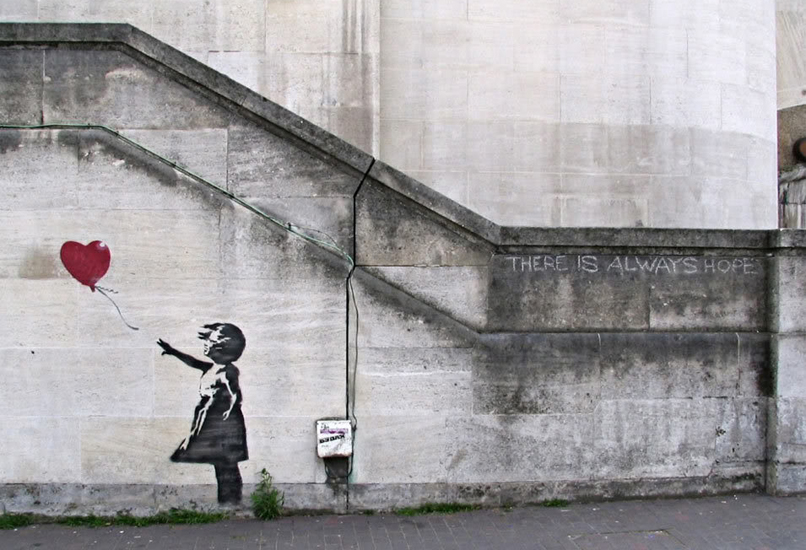
The future belongs to the young, no matter how much older generations try to shape that future. Educations plays a key role, as does the whole family context, but in the past century it is the expansion of media that has establishing a seemingly hegemonic control over the curiosity of the young. Disney launched the careers of Mickey Mouse and Donald Duck, not to mention the lily white Snow White or comfortably brown Bambi. In my day there was Woody Woodpecker, but my son’s generation was mesmerized by the Ninja Turtles. I have not kept up with cartoon evolution, but I had heard something about a cheesy character named Sponge Bob. It seems that there are many episodes of Sponge Bob available in Arabic on Youtube. The image above is from an adventure in a hibernating-bear-in-an-igloo winterland.

I have seen Arabic translations of Western and Japanese cartoon shows before, and anthropologist Mark Peterson has written a fascinating ethnography (Connected in Cairo: Growing Up Cosmopolitan in the Modern Middle East, Indiana University Press 2011) about the Pokemon phenomenon and other comic characters in Cairo. It is important to remember that the urban generation that has taken to the streets in the Arab Spring and lives and dies through the social media has also been brought up in a steady diet of cartoons, both comic books and videos. While academics have been arguing over the impact of erudite Orientalism, there is a far more potent source influencing the thought of the young: I call this “cartoonality,” the shaping of opinion through fictional non-human or ultra-human cartoon characters. Continue reading Sponge Bob in Winterland

Anti-Muslim Sentiment Rising in the U.S: What Is Happening to Religious Tolerance?

by Charles Kurzman, ISLAMiCommentary, February 13, 2014:

Islamic terrorism has proved to be a relatively small threat to public safety in America since 9/11. Isolated individuals have engaged in sporadic violence such as the Boston Marathon bombings, but radicalization has remained far more limited than security officials feared. A report issued this month by the Triangle Center on Terrorism and Homeland Security shows that the number of Muslim-American terrorism suspects and perpetrators remained low in 2013.

Yet American attitudes toward Muslim-Americans have grown more negative in recent years. Eight surveys since 9/11, most of them conducted by the Pew Forum on Religion and Public Life, have asked random samples of adult Americans whether they have a “favorable” or “unfavorable” view of Muslim-Americans. As shown in the top graph, the proportion answering “unfavorable” has increased over time: before 2006, all five surveys found “unfavorable” rates of 26 percent or lower; in the four surveys between 2006 and 2012, only one found “unfavorable” rates that low.

These numbers are still considerably less than positive responses, but they suggest that a growing segment of the American population is willing to express negative views about Muslim-Americans in recent years. Continue reading Anti-Muslim Sentiment Rising in the U.S: What Is Happening to Religious Tolerance?