by Reem Jazem
In 2014, my biggest concern was when to get married.
I was engaged in August, and my fiancé and I planned to have our wedding in May 2015. I wanted March instead. We were both born in March, and three had always been my lucky number, so a March wedding seemed almost too perfect to give up.
Unfortunately, he was going to spend three months filming a television series, so May won.
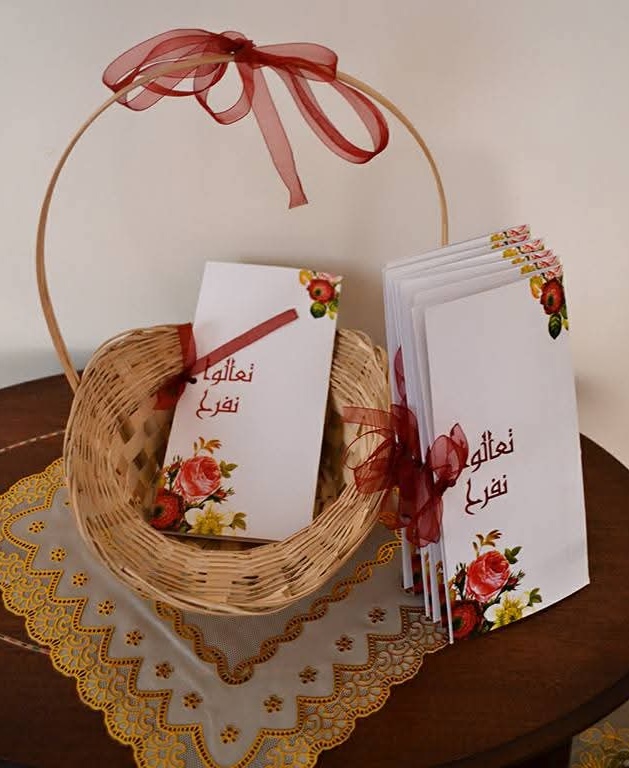
I was not planning a big wedding. I wanted something simple so that we could spend more of the money on our honeymoon. We were choosing between Turkey and Socotra Island, and my friends and I spent our time looking for a dress, a wedding hall, invitation cards, and all the other things that suddenly become extremely important when you are a bride.
Life was ordinary.
That is probably the best way to describe it.
We had plans. We had dates. We made decisions based on what would happen next month, or next summer, or after the wedding. We assumed that tomorrow would be there when we reached it.
I had never thought much about how extraordinary that was.
In Yemen, preparing for a wedding is not exactly a small task. Traditionally, the groom provides the agreed dowry, while the bride and her family carry many of the wedding expenses. The bride is also expected to prepare new clothes and gold jewelry for herself.
Men, I often thought, were lucky.
They put on a suit and show up.
The bride, meanwhile, could spend months preparing for a single day.
At the time, these were the problems occupying my mind.
Then came March.
Because we could no longer have our wedding that month, I decided that at least we could celebrate our birthdays together. On March 17, my colleagues surprised me with a birthday party at work. I remember that day clearly. Even my serious, strict manager danced Lahji.
At some point that day, I told my fiancé that I had a strange feeling that it would be my last birthday.
I had no reason to say it.
A week later, on March 26, I was at home chatting with friends on WhatsApp while my parents watched television.
Then came the explosion.
It was so loud that the house shook.
My father changed the television channel, and the news announced the beginning of the Saudi-led military intervention in Yemen against the Houthis.
Until that moment, the future had been something I could schedule.
After that night, it became something I could only wait for.
The airports closed. Traveling became difficult. Businesses and projects stopped. Buildings were damaged and people were killed. Things that had once been simple—getting somewhere, buying something, planning a trip, making a living—suddenly required calculations, luck, and sometimes could not be done at all.
We postponed everything.
The wedding. The honeymoon. The plans that depended on a life returning to normal.
We assumed the war would end.
So we waited.
Then we realized that waiting could not last forever.
The wedding finally took place in October.
The war did not.
By then, we had learned something that people living through ordinary times rarely have to learn: life does not always wait for the world to become normal again.
Sometimes you postpone your plans for a few months, expecting the interruption to end.
And then the interruption becomes the landscape of your life.
The war continued far beyond October, far beyond what we had imagined, and eventually far beyond what we could have imagined in our worst nightmares.
Looking back, I think about that girl who was worried about whether she would get married in March or May.
She thought she was choosing a date.
She did not know that history was choosing one for her.