The Third MECA Seminar on early Iranian and Central Asian Numismatics will be held at Hofstra University in Hempstead, NY, this Sunday, April 10, 10:00 am to 5:00 pm in 106 Breslin Hall. This seminar has been organized by Prof. Aleksandr Naymark and is open to faculty and students of Hofstra University and to the public, free of charge. For more information, check out the conference website.
Program
Session I: Early Islamic Coinage
10:30 am to 12:00 pm
• Konstantin Kravtsov (State Hermitage Museum)
An Obscure Period in the History of Tabaristan (760s AD): Analysis of Written and Numismatic Sources
• Stuart Sears (Wheaton College)
Crisis on an Asian Frontier: The Countermarking of Umayyad Dirahms in Khurasan in the Early Eighth Century CE
• Luke Treadwell (Oxford Univeristy)
Aleksandr Naymark (Hofstra University)
The Very Last Sogdian Coin
Lunch break
12:00 pm to 1:00 pm
Session II: Classical Age of Islamic Coinage
1:00 pm to 2:15 pm
• Michael Bates (American Numismatic Society)
The Second Muhammadiyya, the Mine of Bajunays
• Arianna d’Ottone (La Sapienza University of Rome)
From Russia to Rome: the Stanzani Collection of Islamic Coins
• Aleksandr Naymark (Hofstra University)
Byzantine Anonymous Folles from Qarakhanid lands in the Ferghana and Chu Valleys
Coffee Break
2:15 pm to 2:30 pm
Session III: On the Borders: India and Yemen
2:30 pm to 3:30 pm
• Waleed Ziad (Yale University)
Islamic Coins from a Hindu Temple: Reevaluating Ghaznawid Policy towards Hinduism
through new Numismatic Evidence from the Kashmir Smast in Gandhara
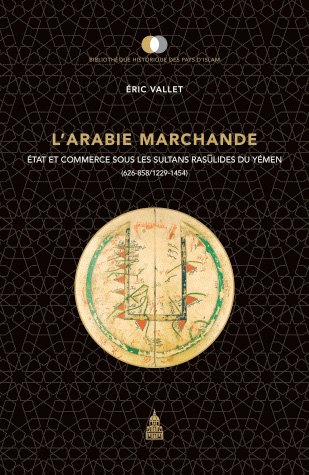
• Daniel Martin Varisco (Hofstra University)
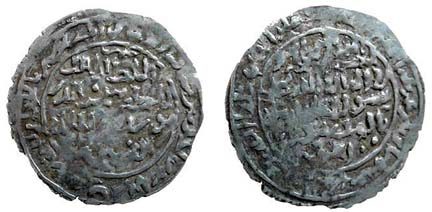
Rasulid Coinage in the Daftar of al-Malik al-Muzaffar: A Preliminary Textual Study
Coffee Break
3:30 pm to 3:45 pm
Session IV: Mongols
� 3:45 am to 5:00 pm
• Stefan Heidemann (Metropolitan Museum of Art B Bard College Graduate Center)
The Coin Finds from the Heart of the Mongol Empire: Qaraqorum Results of the Bonn University Excavation
• Necla Akkaya (Selcuk Universty)
Coins of the Ilkhanid ruler Abu Sa`id Bahadur Khan
• Olga Kirillova (Orel, Russia), Aleksandr Naymark (Hofstra University)
A Copy of the Seal of the Bulgarian Tsar Ivan II Asen from Samarqand
General Discussion
5:00 pm – 6:00 pm
Dinner in Brooklyn – 6:45 pm
Café Uzbekistan
2170 86th St. Brooklyn, NY 11214 (in the first block east of the crossing with Bay Parkway; parking on the sides streets)
Tel.: (718) 373-9393
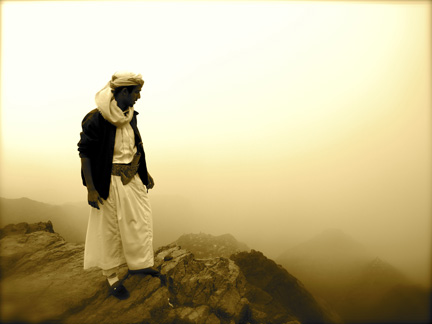
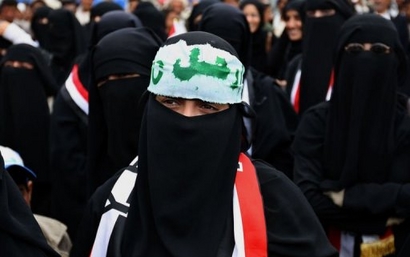
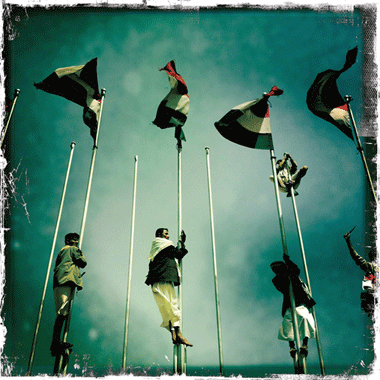 On April 1, pro-government protesters clung to poles bearing the country’s flag, demonstrating their loyalty to the regime; photograph by Karim Ben Khelifa for Newsweek