The recent breakdown in Yemen of basic services, including electricity and buta-gas, has not stopped the cartoonists…
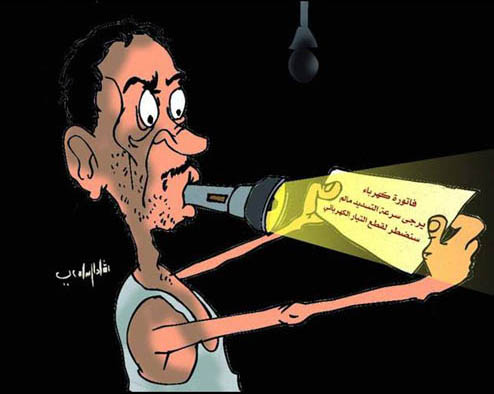
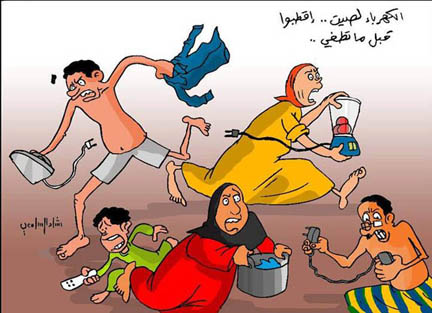
The recent breakdown in Yemen of basic services, including electricity and buta-gas, has not stopped the cartoonists…
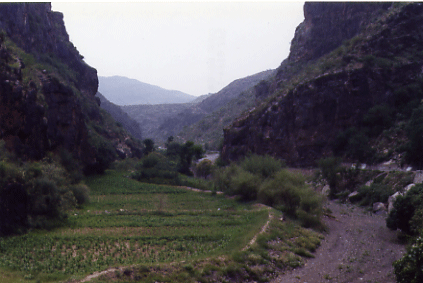
below Manakha towards the Tihama
By Daniel Martin Varisco
[In 2003 I attended a conference in Rome and gave a paper which was eventually published in Convegno Storia e Cultura dello Yemen in età Islamica, con particolare riferimento al periodo Rasûlide (Roma 30-31 ottobre 2003 (Accademia Nazionale dei Lincei, Fondazione Leone Caetani, 27, pp. 161-174, 2006). As this publication is virtually inaccessible, I am reprinting the paper here (with page numbers to the original indicted in brackets). For the previous part of this article, click here. The references are provided at the end of the first entry.]
PLANTING ADVICE: OF FAVA BEANS AND DATE PALMS
The bulk of al-Ashraf’s text provides details on how to plant and where to plant, as well as when to plant. While some of the information is clearly theoretical, as in the case of planting olive trees, much of it no doubt reflects farmer practices at the time in the coastal region and southern highlands, [p. 168] where al-Ashraf spent most of his time. To give an indication of the range of the advice, I will focus on two specific and important crops: the fava bean and the date palm.
Al-Ashraf follows the classical designation of bÄqillÄ’, which is often shortened to gilla in Yemeni dialects. It would, if you pardon the pun, be foolish of me to lecture this audience on the significance of fava beans (most known today as fÅ«l) in the diet. I will read a translation of the entire passage in the text, followed by comments from my own ethnographic observations. (16)
“Fava beans are planted in cool places of the mountain areas. They are not suitable for the coastal plain [nor the wadis in the cold mountain areas] nor very wild places. The best agricultural fields are in the excellent eastern land on which a lot of dew does not fall, (17) as well as in the good soil (18) which is fertilized by dung. It is ploughed for with an excellent ploughing. Most of it is planted between the sorghum plants in NÄ«sÄn (i.e., April). The beans can be eaten after three months from the day planted. It finishes producing and is harvested after seven months. There is also that which is planted as qiyÄẓ at the end of AylÅ«l (i.e., September) in the midst of the sorghum plants. This can be eaten after four months. It finishes producing and, if it has yellowed and dried, is harvested after seven months. As for the manner of its cultivation, the seed is cast in the bottom of the furrow with a footstep between each two grains, (19) then covered with soil and packed down by foot. When the sorghum is harvested, irrigate whatever it needs of water after this in the same way as for the sorghum stalk, even for that which is meager, until its time finishes, as God wills.†Continue reading The State of Agriculture in Late 13th Century Rasulid Yemen, 4
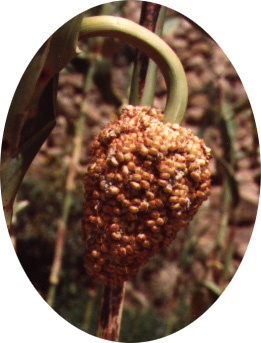
highland sorghum
[In 2003 I attended a conference in Rome and gave a paper which was eventually published in Convegno Storia e Cultura dello Yemen in età Islamica, con particolare riferimento al periodo Rasûlide (Roma 30-31 ottobre 2003 (Accademia Nazionale dei Lincei, Fondazione Leone Caetani, 27, pp. 161-174, 2006). As this publication is virtually inaccessible, I am reprinting the paper here (with page numbers to the original indicted in brackets). For the previous part of this article, click here. The references are provided at the end of the first entry.]
IDENTIFYING THE MAJOR CROPS
Although al-Ashraf claims to have learned from the farmers themselves, his overall classification of crops and plants suggests that he is fitting that knowledge into a shared textual tradition of scientific agronomy at the time. Al-Ashraf inventories Yemeni production according to five main categories: zurū‘, qaá¹ÄnÄ« or ḥubÅ«b, al-ashjÄr al-muthmira, rayÄḥīn, and khaá¸rÄwÄt and buqÅ«lÄt. By zurū‘ (the plural of zar‘) al-Ashraf means the cereal crops of wheat, barley, sorghum, rice, two kinds of millet, eleusine (or finger millet) and teff, as well as sesame, cotton, lucerne, madder and turmeric. This goes beyond the English sense of cereal grains to cover the non-food crops of cotton and madder, both of which are reclassified as al-ashjÄr al-muthmira (flowering trees) in the later Bughyat. In classical Arabic terms, at least according to AbÅ« ḤanÄ«fa, sesame is classified as qaá¹ÄnÄ«. (12)
The second major kind of crop is labeled qaá¹ÄnÄ«, which the author glosses as ḥubÅ«b. This includes what we would today call pulses and various kinds of beans, such as chick peas, lentils, cowpeas, fava beans, endive, fenugreek, water cress, mustard, safflower, poppy, flax and black cumin. The term qaá¹ÄnÄ«, according to AbÅ« ḤanÄ«fa, is originally Syrian and refers to crops such [p. 167] as rice, chickpeas, lentils, sesame and most beans. (13) The term ḥubÅ«b (plural of ḥabb) may refer to wheat, barley and the like, but has also been widely used in the agricultural texts for seed plants of various kinds. (14)
The third category, al-ashjÄr al-muthmira, literally refers to flowering trees and plants. (15) In order of presentation, al-Ashraf includes here dates, grapes, figs, pomegranates, apples, plums, pears, peaches, apricots, mulberry trees, olives, walnuts, almonds, pistachios, betel nuts, carob, bananas, sugar cane, citrons, oranges, lemons, lebbek, christ’s thorn and Indian laburnum. The reference to olives is clearly textual, since this tree was not planted in Yemen; nor do I think betel would have been tried outside the royal gardens. The fourth category comprises rayÄḥīn or aromatic plants and ornamental flowers. Of the nineteen specific plants mentioned, most are flowers (such as rose and jasmine), but the list also includes useful herbs such as basil, chamomile and the important dye of henna.
The final part of al-Ashraf’s classification refers to khaá¸rÄwÄt and buqÅ«lÄt. This covers a variety of green and root vegetables such as lettuce, cucumbers, eggplant, carrots, cabbage, garlic, onions, radish, endive, mallow, colocasia, chard, spinach, purselane, celery, okra and asparagus. Among the ground “fruits†included here are melons and gourds, although grapes are considered flowering trees. Also included are several spices, such as ginger, mint, parsley, coriander, dill and cumin, as well as “medicants,†such as balsam, rue, fennel and Indian hemp.
FOOTNOTES:
(12) Ibn Sīda, al-Mukhaṣṣaṣ, Beirut, 1965, v. 11, p. 62.
(13) Ibid, v. 11, p. 62. In KitÄb al-FilÄḥa al-RÅ«miya (Leiden, Or. 414, f. 40) qaá¹ÄnÄ« is defined as summer crops like rice which need the heat and water.
(14) Ibn Sīda, al-Mukhaṣṣaṣ, cit., v. 11, p. 49. For example, Ibn Waḥshiya, v. 1, p. 492 includes fava bean in the category of ḥubūb used for food.
(15) This term is used by Ibn Waḥshiya, v. 1, p. 367.
to be continued
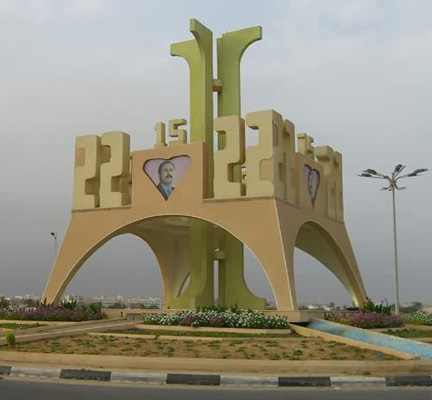
The protests that began way back in February in Yemen have yet to abate. Since that time the country has come to an economic standstill, perhaps even a backslide, and the brink of civil war. Fate intervened on June 3, when President Ali Abdullah Salih was severely injured in a bomb blast at his residence mosque. It was a full month later before he appeared on television and only a week ago when he was discharged from the hospital in Saudi Arabia. Rumors continue to circulate that he will return, although this seems more and more unlikely given his lingering health problems. Meanwhile, like all long-standing dictators, reminders of his power still dot the landscape. The picture above is a heart-shaped image in the southern city of Mukalla. I suspect it may no longer be unblemished. Way back when this all began I thought the protests would not unseat Salih, then changed my mind and thought it would happen soon. But all bets are off because there is no way to predict the turn of events that will occur. I strongly suspect Salih will not return to Yemen and he will grudgingly sign the accord he almost did three times in the past. But as I find so often inscribed in the manuscripts I read, الله اعلم.
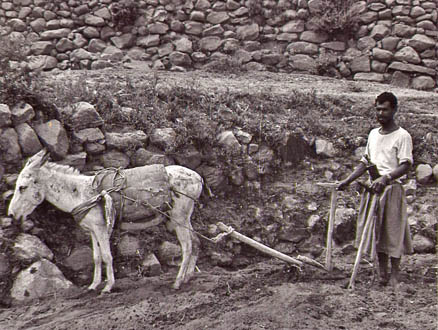
Yemeni tribal farmer in al-Ahjur, Central Highlands
By Daniel Martin Varisco
[In 2003 I attended a conference in Rome and gave a paper which was eventually published in Convegno Storia e Cultura dello Yemen in età Islamica, con particolare riferimento al periodo Rasûlide (Roma 30-31 ottobre 2003 (Accademia Nazionale dei Lincei, Fondazione Leone Caetani, 27, pp. 161-174, 2006). As this publication is virtually inaccessible, I am reprinting the paper here (with page numbers to the original indicted in brackets). For the previous part of this article, click here. The references are provided at the end of the first entry.]
VIEWING THE FIELD THROUGH AL-ASHRAF’S AGRICULTURAL TREATISE
I begin with al-Muẓaffar’s short-reigned son, al-Malik al-Ashraf YÅ«suf, whose treatise Milḥ al-malÄḥa not only defines the genre of Rasulid agricultural texts but is a primary source for the later, larger and more cosmopolitan Bughyat al-fallÄḥīn of al-Malik al-Afá¸al al-‘AbbÄs, which has been studied in part by the late Professor Serjeant. (5) Milḥ survives in at least two copies, both defective; one is in the Glaser collection in Vienna and the other was discovered in southern Yemen less than two decades ago by ‘Abd al-Raḥīm JÄzm. This consists of seven chapters. The first deals with the knowledge connected to times for cultivation, planting and preparing land. The next five chapters are arranged according to the type of crop or plant, with elaborate details on how each is cultivated. The final chapter, which has not yet been found apart from quotations in the Bughyat, discusses agricultural pests. The information provided on crops is almost exclusively for Yemen, unlike the penchant of the later Bughyat’s author to quote extensively from earlier non-Yemeni sources such as Ibn Waḥshiya and Ibn BaṣṣÄl. Indeed, there is no explicit mention of other texts in Milḥ.
After the obligatory salutation of thanks, al-Ashraf begins his treatise with a poetic quatrain:
Fa-hÄdhÄ kitÄb jama‘atuhu bi-ḥasab al-á¹Äqa wa-al-ijtihÄd
wa-ista‘tab ‘alÄ dhÄlik bi-rabb al-‘ibÄd.
Waá¸a‘tuhu ‘alÄ á¸¥ukm iá¹£á¹ilÄḥ ahl al-ma‘rifa fÄ« al-Yaman
ba‘d al-baḥth ma‘ahum fÄ« kulli mÄ fÄ«hi min á¹£anf wa-fann.
[p. 164] “I compiled this book according to diligence and capability
and solicit for proof of this the Lord of all humanity.
I recorded it from the wise practice of those Yemenis who know
only after research among them for all that is within their classifying and artful show.â€
Continue reading The State of Agriculture in Late 13th Century Rasulid Yemen, #2
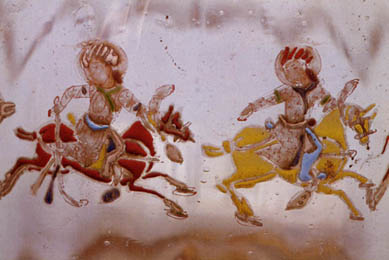
Rasulid polo players
By Daniel Martin Varisco
[In 2003 I attended a conference in Rome and gave a paper which was eventually published in Convegno Storia e Cultura dello Yemen in età Islamica, con particolare riferimento al periodo Rasûlide (Roma 30-31 ottobre 2003 (Accademia Nazionale dei Lincei, Fondazione Leone Caetani, 27, pp. 161-174, 2006). As this publication is virtually inaccessible, I am reprinting the paper here (with page numbers to the original indicted in brackets).]
INTRODUCTION AND SOURCES
[p. 161] About seven and a half centuries ago the second Rasulid sultan, al-Malik al-Muẓaffar Yūsuf ibn ‘Alī, was thrust into power in his youth after his father’s murder, just about the time the Genoan Marco Polo was born. The overlap between the Italian merchant mercenary and mercenary descendant sultan is fraught with irony. Al-Muẓaffar, the untested state builder came to power just a decade before the overthrow of the Abbasid caliphate, which had blessed Rasulid rule as a buffer against the Zaydī imams of Yemen’s northern highlands, while the future Italian diplomat set out on his trek only a decade or so after the Mongols had destroyed Baghdad. Polo was destined to serve an aging Kublai Khan, returning to Italy in 1295, the very year that the seventy-year-old-plus Rasulid ruler died. When Polo referred to the immense wealth of the sultan of Aden, “arising from the imposts he lays†in the Indian Ocean trade, he meant al-Muẓaffar. Marco Polo and al-Malik al-Muẓaffar never met, except in print, but the world that they both embraced was centered on an important trade network linking the Mediterranean and Africa with Persia, India and ultimately the lands of the great Khan.
Fortunately for the Rasulids, the merciless Mongol warriors never reached Yemen, apart from a few individuals who later assisted a Yemeni sultan in compiling a “King’s Dictionary†also known as the “Rasulid Hexaglot.” (1) [p. 162] Yemen also escaped the incursions of crusading medieval knights, although the legacy of Saladin played a major role in defining its political fortunes until the arrival of the Ottoman garrisons and Portuguese galleons in the sixteenth century. My focus is on the zenith of the Rasulid era near the end of the long reign of al-Muẓaffar, the preeminent state-builder of the dynasty. By 1252 he consolidated his hold over the coastal zone (TihÄma), southern highlands and Aden, as well as achieving periodic control over á¹¢an‘Ä’, thus driving the ZaydÄ« imams back to their firm base in á¹¢a‘da. The sultan’s forces in the late 1270s took control, by land and by sea, of the important southern harbors at al-Shiḥr and Dhofar, two important sailing venues along the trade route to the Persian Gulf and India. In 682/1283, despite the ZaydÄ« loyalties of many of the tribes, al-Muẓaffar was able to briefly take hold of á¹¢a‘da, even striking coins there. Military success led to increased diplomatic recognition for the Rasulids; later delegations are described in the chronicles as arriving from Persia, Oman, India and China. Fortunately, al-Muẓaffar was an avid patron of architecture and learning, so that the material and written records of Rasulid activities are quite extensive. (2) Continue reading The State of Agriculture in Late 13th Century Rasulid Yemen
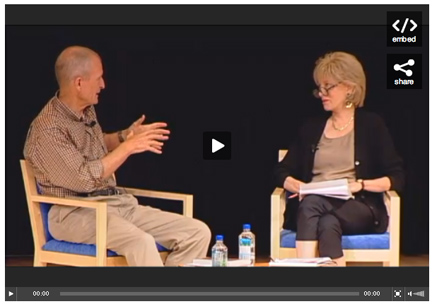
Former Intel Chief: Call Off The Drone War (And Maybe the Whole War on Terror)
by Noah Shachtman, Wired.com, July 28, 2011 |
Colorado — Ground the U.S. drone war in Pakistan. Rethink the idea of spending billions of dollars to pursue al-Qaida. Forget chasing terrorists in Yemen and Somalia, unless the local governments are willing to join in the hunt.
Those aren’t the words of some human rights activist, or some far-left Congressman. They’re from retired admiral and former Director of National Intelligence Dennis Blair — the man who was, until recently, nominally in charge of the entire American effort to find, track, and take out terrorists. Now, he’s calling for that campaign to be reconsidered, and possibly even junked.
Starting with the drone attacks. Yes, they take out some mid-level terrorists, Blair said. But they’re not strategically effective. If the drones stopped flying tomorrow, Blair told the audience at the Aspen Security Forum, “it’s not going to lower the threat to the U.S.†Al-Qaida and its allies have proven “it can sustain its level of resistance to an air-only campaign,†he said. Continue reading Drones down the drain
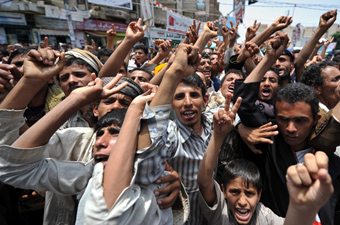
The Yemeni youth movement represents the country’s best chance for democracy – but it needs outside support to succeed.
by Abubakr Al-Shamahi, Al Jazeera, Aug 8, 2011 1
Yemen finds itself in the fifth month of mass anti-government protests that have left the country with a severely injured President seeking treatment abroad, an economic and humanitarian disaster, and a seemingly intractable stalemate. The youth, who comprise the vast majority of a population whose average age is 18, are increasingly divided, yet increasingly adamant that all the corrupt remnants of the old regime should be replaced by a fully-functioning democratic system.
This wish, in line with the aspirations of millions of Arabs inspired by the events of the “Arab Spring”, may appear to be idealistic and even naïve in a country like Yemen. Poor education levels, the lack of an established middle class, the prevalence of qat, and, perhaps most importantly, various armed uprisings, secessionists, and militant activity, are seen as roadblocks preventing any realistic democratic enterprise. However, the events of the past few months have given hope that a new, more democratic, Yemen might emerge out of the ashes of the current crisis.
There is no denying that the current anti-government movement is supported by the majority of the Yemeni people, especially in the restive areas of Taiz, Aden, Saada, Ibb, and Hodeida. Even in the capital Sanaa, where pro-Saleh sentiment is seen as strongest, the biggest and most regular rallies have been those calling for his removal from power. Continue reading Taking a chance on a democratic Yemen