Google’s attempt to translate can be charming at times and completely wrong as well. Here is how Google translated a post on Facebook about an old article regarding the transcription of South Arabic “Himyarite” letters. For those who do not know Arabic, the word for donkey is hamir, a close match for a computer… And Playfair was definitely not recent…
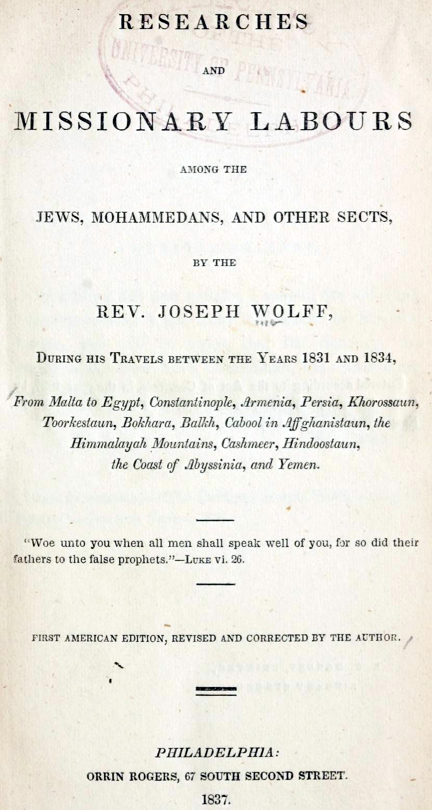
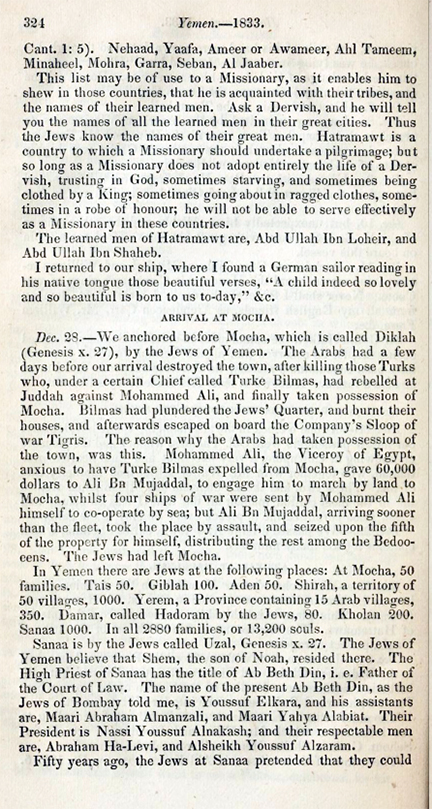
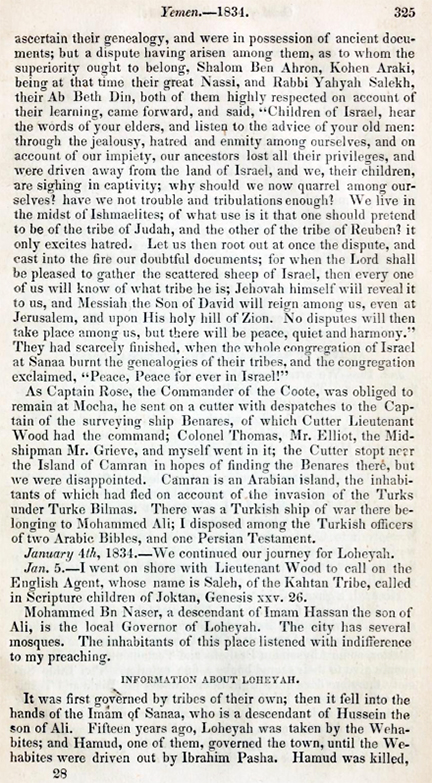
In the early 19th century there was a florescence of Protestant missionary interest in saving Muslim, Jewish and other kinds of Christian souls in the Middle East. This thread continues excerpts from one of the earliest accounts from the 19th century, that of Joseph Wolff (1795-1862), a convert from Judaism to Christianity. In 1837 he published a diary of his travels. Here are the passages related to a brief stop in several of Yemen’s ports:
On Thursday, July 8 , 2021 (4 pm Berlin time, 10 am New York time) I will be giving an online presentation on my search for the metric weight of the Baghdadi ratl, the most widespread measure for international trade in the Red Sea/Indian Ocean network during the Abbasid and Mamluk/Rasulid eras. Although several Western scholars since the mid-19th century have suggested the metric measure of the dirham, a basic unit of the ratl, there is disagreement. Most of the research has focused on the numismatic use of weights with much less on use in the market. Western scholars have ignored the Islamic legal interpretation of two measures used by the Prophet Muhammad (the sa‘ and mudd), which were later interpreted by Muslim religious scholars according to the Baghdadi ratl for zakat and alms. My talk is more of a prolegomena to future study of Islamic metrology than a definitive rendering. I would be pleased to send a copy for comments to anyone interested.
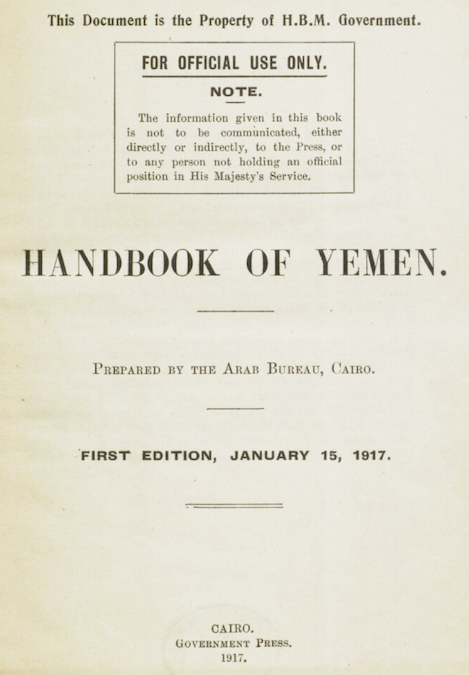
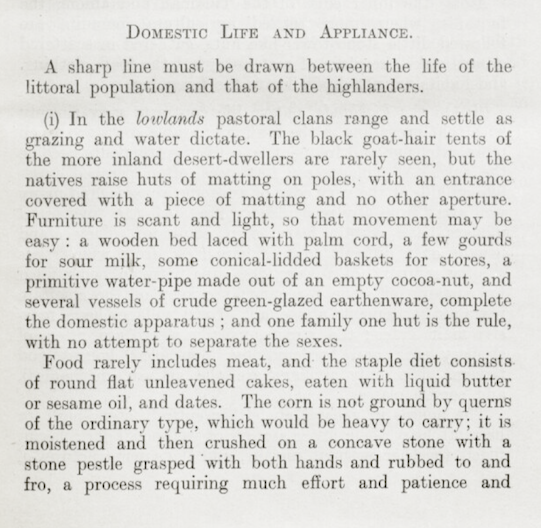
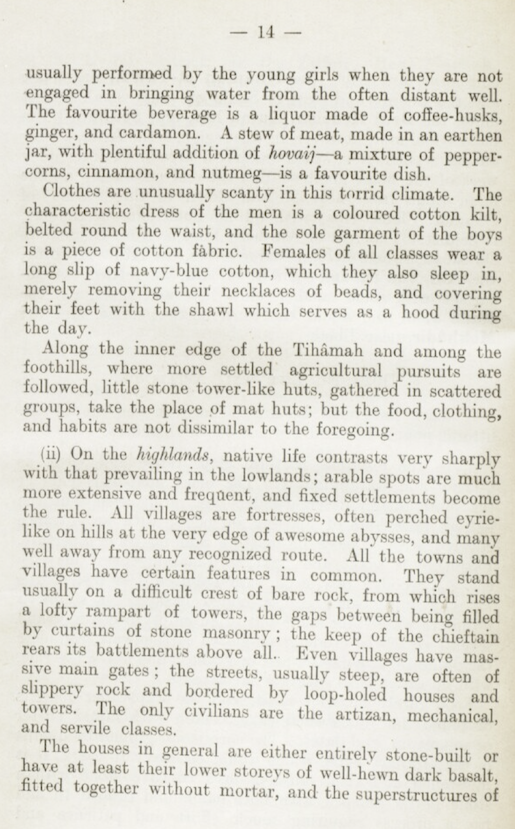
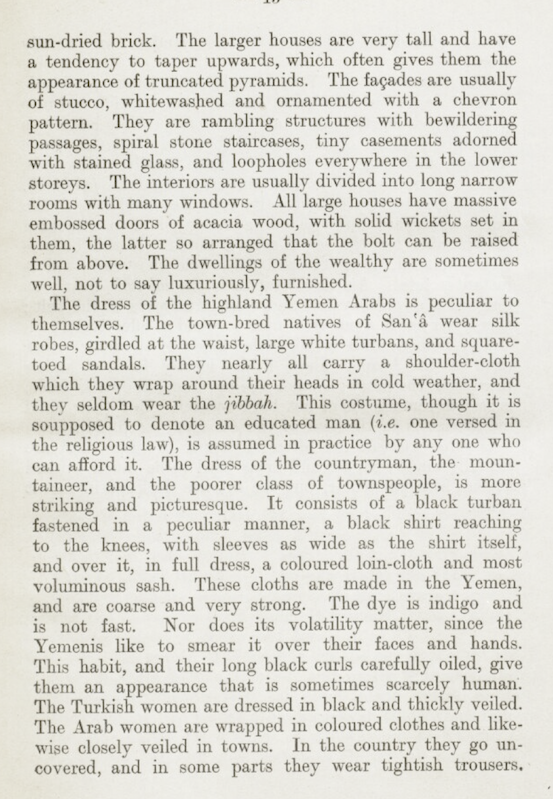
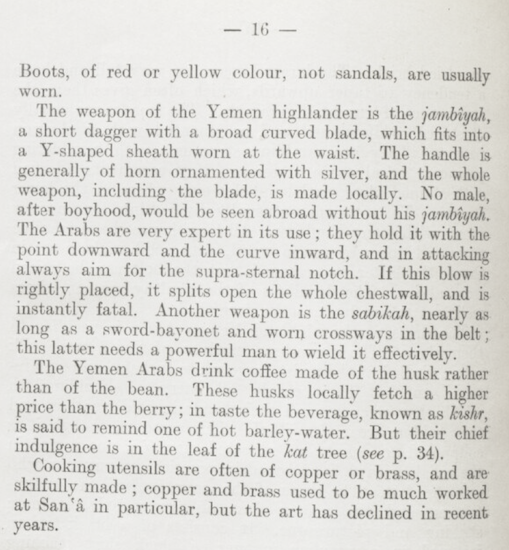
The British Government issued an official handbook on Yemen in 1917. This has recently been uploaded to the Qatar Digital Library. One of the sections gives a general description of life in Yemen during the first part of the last century.
AIYS member and long-time supporter Marjorie Ransom published her beautifully illustrated and diligently researched book on Yemeni silverwork in 2014 . This is a must for anyone interested in Yemeni culture. If you do not already have a copy, it can be purchased from AUC Press. Get your copy today…
The photographs are exquisite as the samples here show.
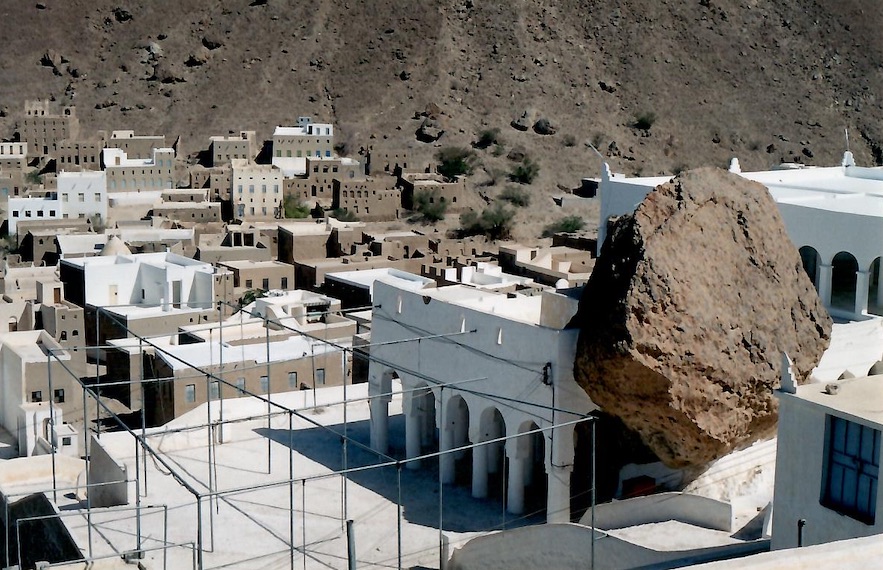
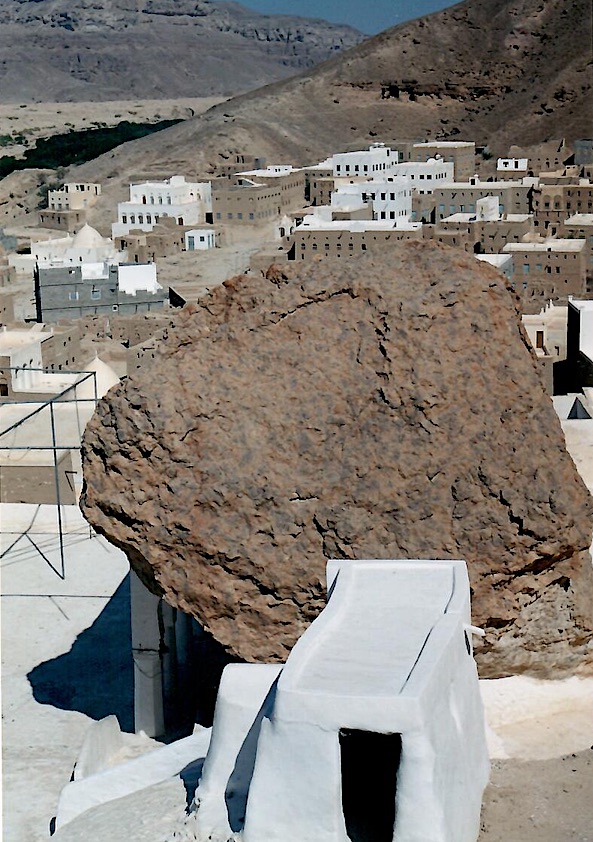
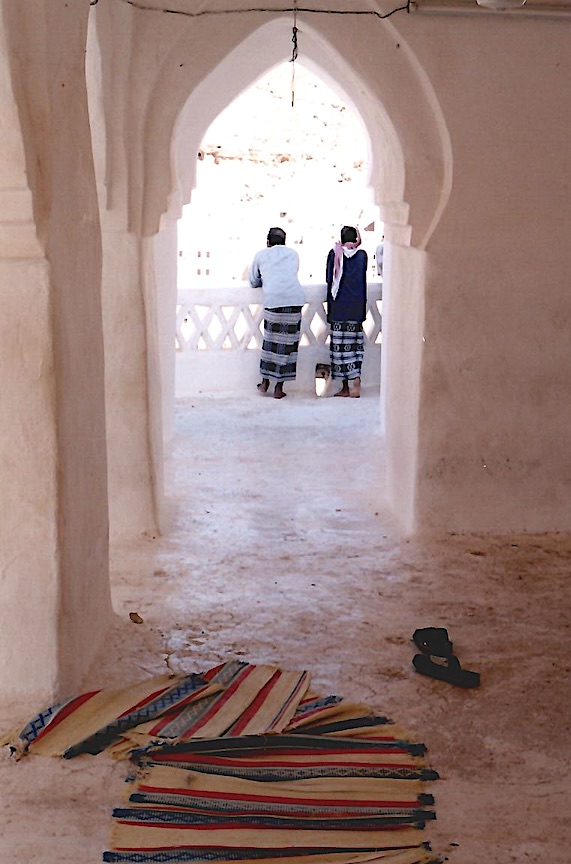
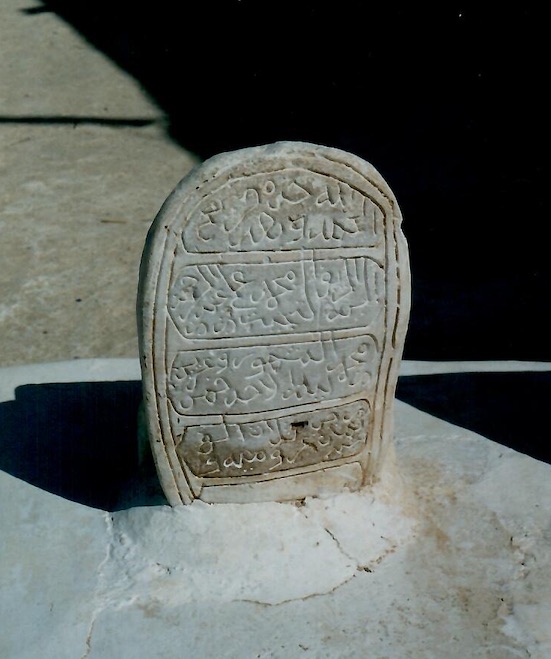
One of the most impressive architectural sites in Yemen is off the beaten track in the Hadramawt, about 90 miles north of al-Mukalla. This is the shrine of the pre-Islamic prophet Nabi Hud. The local mosque is build around a giant boulder. Hud has a surah in the Qu’ran named after him. For a video on the annual pilgrimage to the shrine, click here. I visited the shrine in 2005 and took these photographs.
In 1917 the British government issued a handbook on Yemen with details on the geography. local tribes and important individuals. It is especially useful for discussion of travel routes in Yemen at the start of the last century. This is a treasure trove of information now available for viewing or download at the Qatar Digital Library (QDL). I attach examples of the information.
My friend Karim Ben Khelifa, an award-winning photographic journalist who I met over a decade ago, has produced an extraordinary film (“The Enemy”) on his experience as a photographer of war and violence in Iraq, Afghanistan, Palestine, the Democratic Republic of Congo and El Salvador, as well as 80 countries overall. On Youtube there is a talk he gave in 2019 about his work. including a number of his photographs. His amazing skill as a photographer is matched by his passion to show the reality of treating other human beings as enemies.
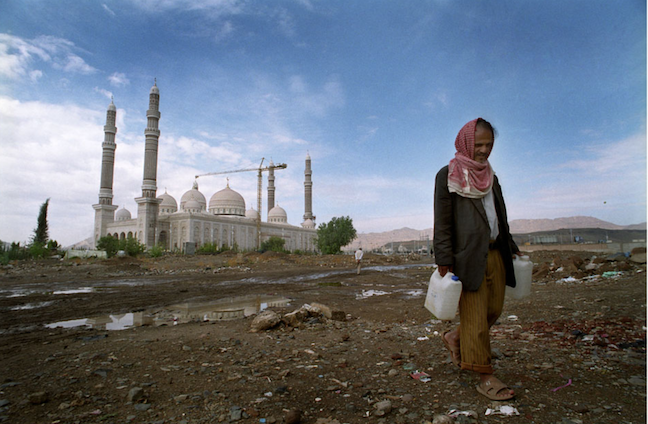
Karim has also taken photographs in Yemen over a decade ago. Some of these are archived on the New York Times blog. One of my favorites is the image of the mammoth mosque built in Sanaa by the late President Ali Abdullah Salih.