Category Archives: Yemen

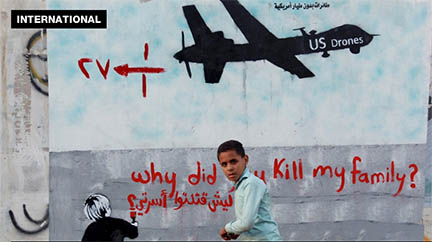
Against the Drones

YEMENIS AFFECTED BY U.S. DRONE STRIKES TO LAUNCH VICTIMS’ UNION

by Amel Ahmed, Al Jazeera, March 31, 2014

Friends and family members of victims of U.S. drone strikes in Yemen are launching a national drone victims’ organization Tuesday to support affected communities and lobby for a change in Yemeni government policy regarding the covert program.

The National Organization for Drone Victims (NODV), with the assistance of UK-based legal charity Reprieve, will conduct investigations of drone strikes and highlight the civilian impact of the U.S.’ controversial drone program in Yemen.

Baraa Shiban, the project coordinator for Reprieve, told Al Jazeera that the constant presence of drones in Yemen is devastating communities. “We are talking almost 50 percent of the country — ten provinces in total — who suffer from the constant hovering of drones.”

Shiban said that NODV will assist affected communities in the aftermath of drone strikes by focusing on the economic impact of the loss of families’ primary bread-winners, psychological trauma and physical injuries. Continue reading Against the Drones

فيديو للقاعدة في اليمن يكشف معلومات جديدة عن اقتحام «مركزي صنعاء» واستقبال الفارين

المصدر أونلاين – خاص
الأحد 30 مارس 2014 03:47:10 صباحًا

بث تنظيم القاعدة في جزيرة العرب في ساعة متأخرة من مساء يوم السبت مقطعاً فيديو لحفل استقبال السجناء الفارين في الهجوم على السجن المركزي بصنعاء منتصف شهر فبراير الماضي.

وأظهر المقطع المتجزأ لأكثر من تسجيل عشرات من عناصر التنظيم وعدد من القادة في بلدة جبلية وعرة باليمن، بعد أيام من بث صور للحفل، وكشفت تسجيلات للسجناء الفارين معلومات عن دخول مواد لتصنيع القنابل اليدوية.

وأظهرت لقطات من المقطع رجالاً ملثمين مصطفين بأسلحتهم في طريق ضيق أمام سيارات تحمل السجناء الفارين ويطلق عدد منهم الرصاص في الهواء مع صرخات التكبير بالتزامن مع ترديد المسلحين للزوامل والهتافات الترحيبية.

ويعكس إطلاق النار والصراخ حالة من الاطمئنان والتحصن في المنطقة التي أقام بها تنظيم القاعدة لحفل الاستقبال فضلاً عن تواجد عدد من القادة المطلوبين للحكومة اليمنية ولواشنطن.

Continue reading فيديو للقاعدة في اليمن يكشف معلومات جديدة عن اقتحام «مركزي صنعاء» واستقبال الفارين

Yemen’s child brides and beggars fend for themselves

by Abdullah Hamidaddin, Alarabiya.net, March 28, 2014

Maha is a 10 year old girl. She is the youngest of twelve and is now getting ready for her big day. She is to be married to a man who is thirty seven years old. Her mother is packing her bag. It’s a small bag. The family is so poor that Maha barely has ten pieces of clothes all together. Before she closes the bag, the mother puts in two plastic dolls. Maha found them while foraging for toys with her friends in the trash of an upscale neighborhood in Sanaa. I wonder what the mother is thinking now. She must be happy that Maha will have three meals a day. Before her engagement, Maha would only eat one meal daily and sometimes she had to sleep hungry. Now things seem brighter than before. The father spent part of her dowry on some food to fatten Maha up. Her fiancé remarked that she was getting too thin, and her parents were worried that he would call off the engagement started so they started feeding her more. Maha of course didn’t understand why she was eating alone. Why her mother wouldn’t share her oat meal and fresh cow’s milk. Meat was too expensive; but they would make soup from the fat which butchers usually throw away or feed the stray cats with.

I can’t imagine what Maha is thinking right now. I can’t imagine what she will be thinking when she is in a bedroom with her husband. Continue reading Yemen’s child brides and beggars fend for themselves

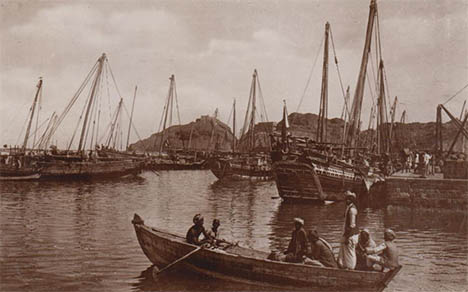
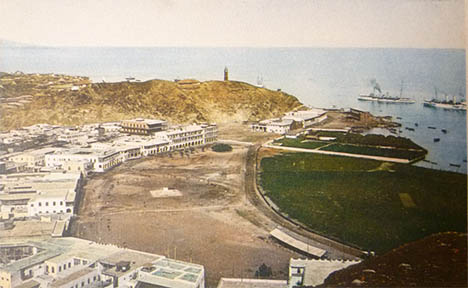
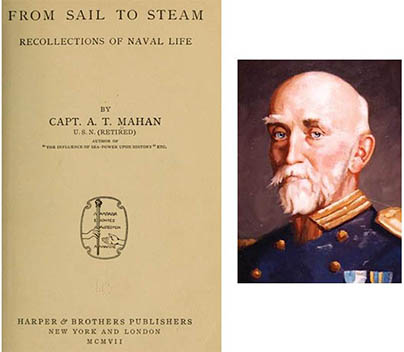
Mahan on Aden in 1867


Alfred Thayer Mahan (1840-1914)

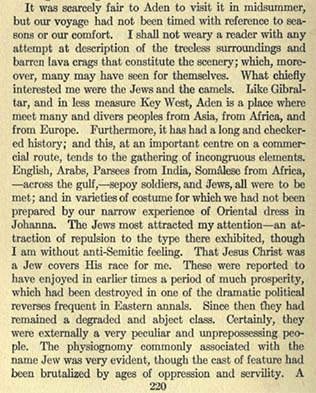
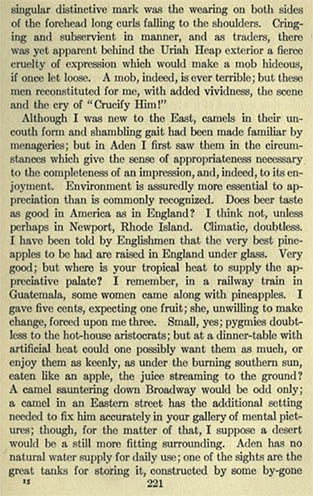
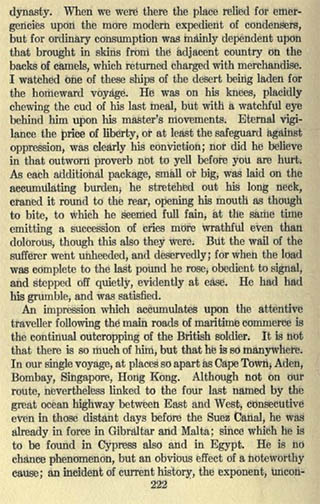
The American admiral Alfred Thayer Mahan is often noted as the man who coined the phrase “Middle East.” After he served in the U.S. Navy on the Union side, he sailed to Hong Kong and passed by the port of Aden in 1867. His comments are brief and reflective more of his own biases than anything significant about Aden. He does provide an interesting description of camels. His narrative is available on archive.org, but I attach here the relevant pages on Aden.

Famous Yemenis


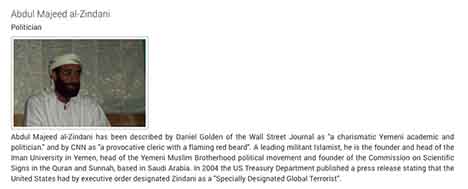
By accident I came across a website called “countrylicious: World country facts” which has a section on Famous People in Yemen. It is telling that the first entry is for Mukesh Ambani, an Indian business magnate who is India’s richest man with personal wealth of $21.5 billion. He does not seem to have anything to do with Yemen, but he is followed by Tawakkol Karman and then Ali Abdullah Salih, who weighs in just above Abu Hureirah, the companion of the Prophet, who was indeed born in Yemen (the entry here is taken verbatim from Wikipedia). But then when you scroll down to Abd al-Majeed al-Zindani, a rather strange thing happens. The picture shown is actually of Anwar al-Awlaqi or else Zindani has had major plastic surgery. Here is where copying from Wikipedia can get you in trouble. The Wikipedia site for al-Zindani also has the picture of al-Awlaqi and no one checked to see the switch. So much for the facts on this site…

Nigel Groom


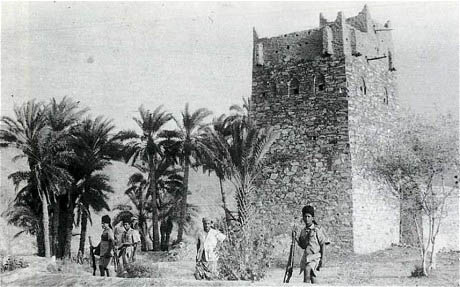
A husn or stronghold in Wadi Bayhan

The Telegraph, March 12, 2014

Nigel Groom, who has died aged 89, was an Arabist, historian, author, soldier, spy-catcher and perfume connoisseur. These pursuits saw him fend off a tribal assassination attempt in Aden, uncover a KGB spy embedded in the RAF and explain the association between frankincense and Christ’s divinity.

As a young Political Officer for the Colonial Service, Groom arrived in the British Protectorate of Aden in 1948. He was responsible for the north-eastern area, based in Bayhan, a remote emirate bordering the central Arabian Desert, and accessible only by small RAF aircraft. Two years later he took over the northern area, based in Al Dhali’, regarded at the time as a difficult, ungoverned tribal part of the Protectorate, riven by unrest fuelled by the Imam of Yemen in pursuance of his claims over the whole country.

At Christmas in 1950 the British agent for the western area of the Protectorate, Basil Seager, and his wife arrived to spend the holiday in Al Dhali’, unaware that a plot was afoot to assassinate both Seager and Groom (and their escort of Arab soldiers) at a Christmas Day lunch in a nearby village. However, while out for a walk with armed guards on Christmas Eve, Seager and his wife by chance met the chief assassin, a religious fanatic high on khat, and his party on their way to their assignment. The assassin stabbed Seager with his dagger, causing serious injury, and in the subsequent gunfight several of the escort and several assailants were killed. Groom signalled to Aden for a doctor, who arrived after a five-hour night-time journey over rough tracks, and for a substantial force of Aden Protectorate Levies, to leave early on Christmas morning to help counter a planned tribal uprising. Continue reading Nigel Groom

Socotra Film

One of the remaining marvels off the east coast of Africa is the island archipelago of Socotra, historically associated with Yemen, the nation which it belongs to. Socotra is a preserve of biodiversity with a local population not yet catapulted into the under-development pains of the 21st century. There is a fascinating film about the need to protect Socotra’s unique environment and its people from the devastating impact of uncontrolled “development.” Among the individuals speaking is Dutch ecologist Paul Scholte, who has extensive research experience both in Yemen and Africa. Check out both parts of the film here and here. There are a number of Youtube videos on Socotra, but most are tourist oriented and do not match the information level of this film.