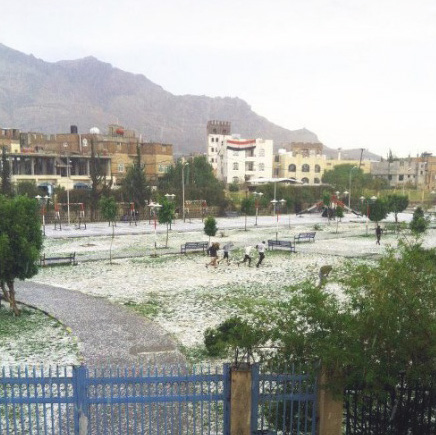
After a hail storm in Sanaa; photograph courtesy of Dr. Muhammad Gerhoum
The economic and political situation in Yemen these days is anything but heavenly, but then yesterday in a different kind of climate all hail broke loose.
After a hail storm in Sanaa; photograph courtesy of Dr. Muhammad Gerhoum
The economic and political situation in Yemen these days is anything but heavenly, but then yesterday in a different kind of climate all hail broke loose.
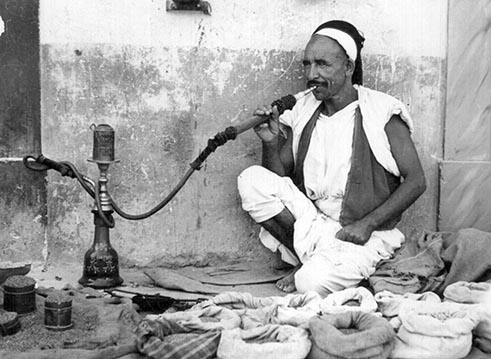
Above and below are two scenes in Tripoli, Libya from the 1950s, when it was still a kingdom. Both are from Christmas and New Years greeting cards with the greeting in English.
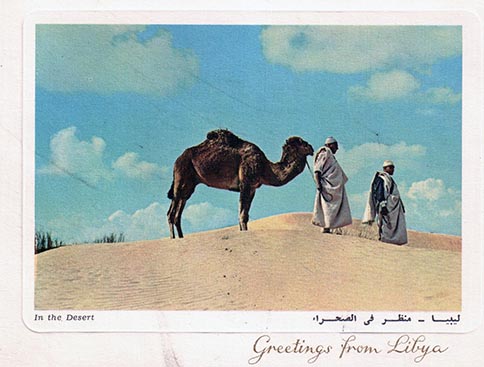 Photo by Jenah in Tripoli; printed in Italy
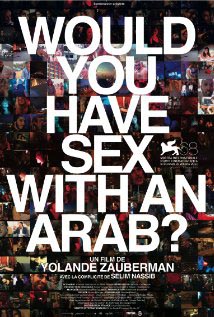 Sleeping With the Enemy? Review of “”Would You Have Sex With an Arab?
By Clara Abdulaziz,http://ta3beer.blogspot.com, April, 19
“One in five Israelis is an Arab, but it is difficult to find places where they touch fingertips.â€
In her latest feature-length documentary, French filmmaker Yolande Zauberman ventures out into the nightlife of Tel Aviv and asks the people she meets a deceptively simple question: “Would you have sex with an Arab?†It is clear that sex serves merely as a proxy to grapple with a much larger question: can individuals transcend identities rooted in long histories of conflict, or is identity so rigidly constructed that it in fact defines one’s humanity?
Zauberman has said that she produced the film to “give space for awareness.†It is meant to be “a little bit sexy, a little bit funny.â€
It is also, quite frankly, pretty depressing.
Zauberman’s choice of Tel Aviv for her film was not arbitrary. It is famous for its non-stop club scene, and is one of the most LGBT and queer-friendly cities in the world. She shows that even here, where most young residents seem more concerned with partying than religion and politics, the boundaries of Jewish and Arab identity remain stubbornly situated within the larger Arab-Israeli conflict. Continue reading Would You Have Sex With an Arab?

Â
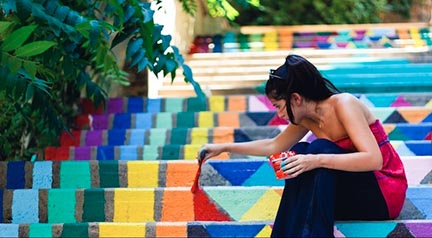
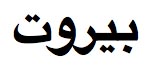
Part 3 of a three-part trilogy by George N. El-Hage
وأمس Ø£ÙقتÙ
أمس Ø£ÙقتÙ
لا وجهي ولا اسمي
كما كانا …
ولا شَعري… ولا صدري
كما كانا
رأيت٠الرعبَ يرسم٠Ùيّ
أشكالاً … وألوانا …
ولم أعرÙÙ’ سوى أنّي
ضÙربت٠… وليس من سَببÙ
وكدت٠أموت٠من تعبي
وجرّوني إلى الساØاتÙ
عرَّوني ….
سÙÙ„Ùبْت٠بكارتي منّي
Ø£ÙÙ‡Ùنت٠…
Ø£Ùخذت٠بالظنّ٠…
أرادوني
عَروسَ الساØر٠الأكبرْ،
عَروس٠الساØر٠الأØمرْ …
وساقوني
إلى الØاكمْ
زعيم٠الØمْر٠… والبربرْ …
ولم يدروا بأنَّ اللهَ
ÙÙŠ بيروتَ لن يٌقهرْ ….
أنا بيروت٠… يا الله٠!
هل تذكÙرْ؟ …
سأبقى، رÙغمَ Ø£Øزاني
ورÙغمَ الجرØÙ
ÙÙŠ وجهي وإنساني،
بØجم٠الشرقÙ
إنَّ الشرقَ …. أدماني
بØجم٠الØبّ
إن الØبَّ لبناني
بÙØَجم الØقّÙ
إنّ٠الØقّ لبناني.