There are many postcards on the Internet from old Aden under British control. Aden has long been a crossroads between Africa and Asia. It is not surprising that a number of early postcards feature Somalis in Yemen.
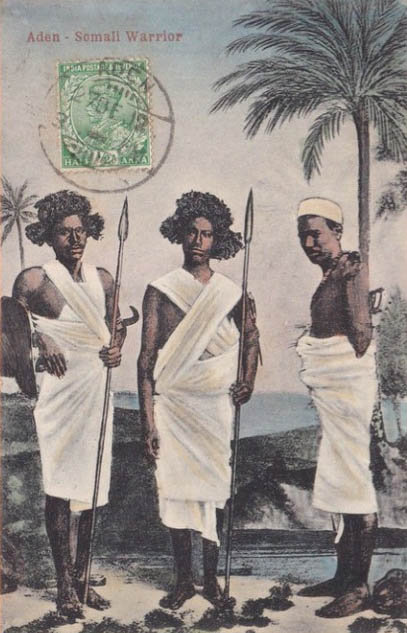
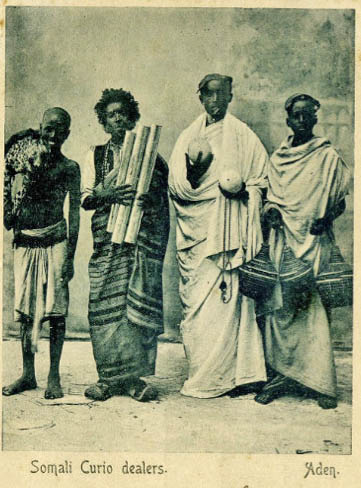
There are many postcards on the Internet from old Aden under British control. Aden has long been a crossroads between Africa and Asia. It is not surprising that a number of early postcards feature Somalis in Yemen.
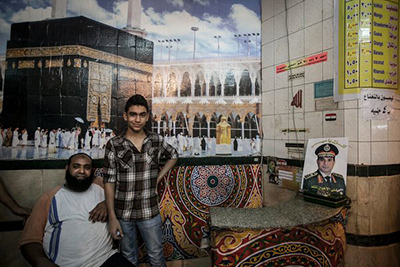
At a juice bar in Cairo, two men posed by a photograph of Gen. Abdul-Fattah el-Sisi. The general has become a popular figure among many Egyptians; Narciso Contreras for The New York Times
The future of Egyptian democracy: Islamism beyond the Muslim Brotherhood
by Yasmin Moll, The Immanent Flame, August 29
A few weeks after the ouster of Egyptian president Mohamed Morsi in 2013, the New York Times ran this headline: “Egyptian Liberals Embrace the Military, Brooking No Dissent.†The accompanying photograph showed a man with a full beard and shaved moustache in the Salafi style, a prominent prayer mark (a “raisin†in the Egyptian vernacular) on his forehead. Behind the man is a wallpaper of Muslim pilgrims circumambulating the Kaaba in Mecca. A framed portrait of then-general and coup master Abdel Fattah el-Sisi leans against beige tiles stickered with several Qur’anic verses. The headline limits the military’s support base to (secular) liberals, while the image shows us it actually extends beyond this narrow stratum.
With some exceptions, such as analyses published in this series, most scholarly accounts dovetail with media framings of Egypt’s fraught political scene since the 2011 revolution as primarily a struggle between secularism and Islamism. But the “secularism versus Islamism†narrativÂe is a political one—it performs important legitimizing labor for a plethora of social actors in Egypt, from the Brotherhood to deposed dictator Hosni Mubarak’s allies and both liberal and leftist activists alike. It is, however, of very limited analytical utility in making critical sense of what is actually at stake in the current impasse for the many Egyptians who do not subscribe to a secularized conception of government, yet whose religiosity cannot be conflated with the Islamism of the Muslim Brotherhood. Continue reading Islamism beyond the Muslim Brotherhood
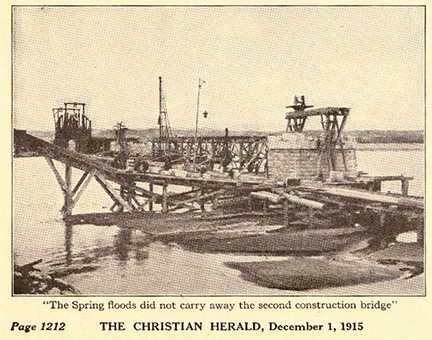
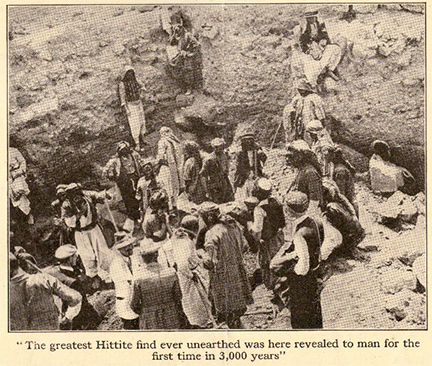
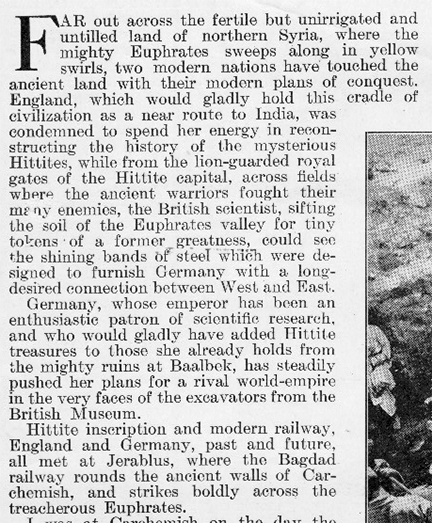
I recently across a copy of The Christian Herald from December 1, 1915 and the lead article by John Maynard Owen Williams is on a recent trip he took to Syria and Iraq. The images are from a century ago and I attach a few excerpts from the article. For the first part, click here and for part two, click here.
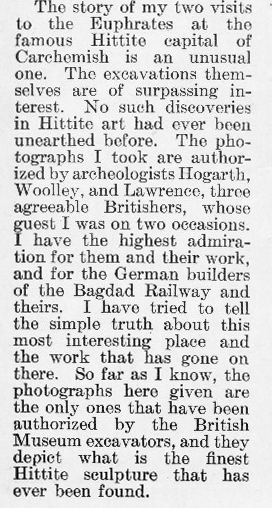
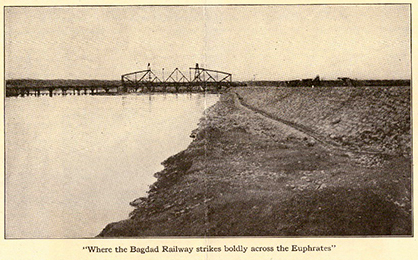
to be continued
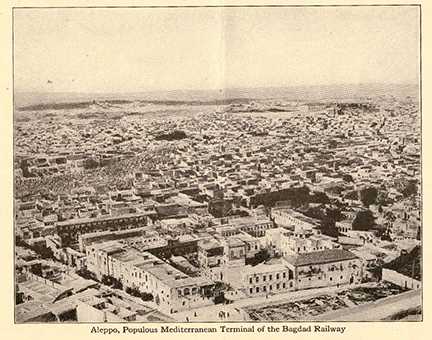
I recently across a copy of The Christian Herald from December 1, 1915 and the lead article by John Maynard Owen Williams is on a recent trip he took to Syria and Iraq. The images are from a century ago and I attach a few excerpts from the article. For the first part, click here.
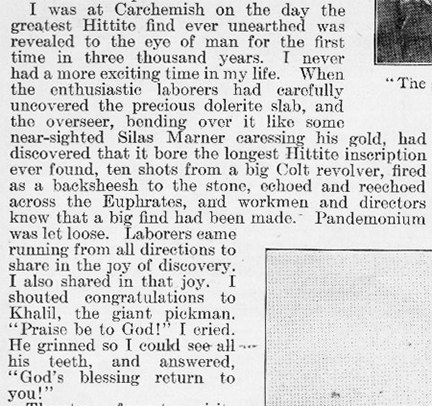
to be continued
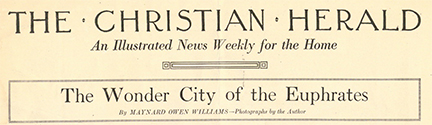
I recently across a copy of The Christian Herald from December 1, 1915 and the lead article by John Maynard Owens is on a recent trip he took to Syria and Iraq. The images are from a century ago and I will attach a few excerpts from the article.
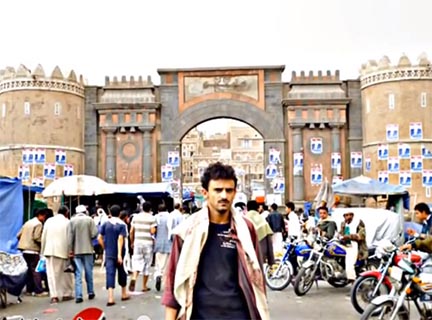
يقرب الله لي بالعاÙيه والسلامه … وصل الØبيب الأغن
ذاك الØبيب الذي Øاز الØلا والوسامه … وكل معنى Øسن
ونسأل الله تعالى عودنا من تهامه … الى سÙØ ØµÙ†Ø¹Ø§Ø¡ اليمن
لأن صنعا سقاها الله Ùيض الغمامه … منزل Øوت كل ÙÙ†
ما مثل صنعاء اليمن … كلا ولا أهلها
صنعاء Øوت كل ÙÙ† … يا سعد من Øلها
تطÙÙŠ جميع الشجن … ثلاثَ ÙÙŠ سÙØها
الماء وخضرة رباها الÙايقه والوسامه … وكل معنى Øسن
كم يضØÙƒ الزهر Ùيها من دموع الغمامه … Ùيا سقاها وطن
يا ليت شعري متى الأيام ØªØ³Ù…Ø Ø¨Ø±Ø¬Ø¹Ù‡ … إلى مدينة أزال
ونستعيد ما مضى يا سيد Ø£Ùديك جمعه … وطيب بساط المطال
لأن من بعدكم ما ك٠لي قط دمعه … والشوق بي لا يزال
وكلما غردت ورقاء بأعلى البشامه … طلقت طيب الوسن
أهيم ÙÙŠ عشقتك … والدمع جاري غزير
ÙˆØ§Ù„Ø±ÙˆØ ÙÙŠ قبضتك … وانا بØبك أسير
والقلب من Ùرقتك … يكاد Ù†Øوك يطير
ÙارØÙ… أسير الهوى من قد تزايد غرامه … إن لم تكن له Ùمن
لأنني لا أطيق الهجر ذا والعدامه … ولا Ø£Øتمل ذا الشجن
تظن يا منيتي ان قد نسيت أو تناسيت … او خنت عهدي القديم
شاØل٠براسك بأني Ùيك من Øين وليت … أبكي Ùˆ ساعه واهيم
ولا Øلى لي سواك Ùˆ لا بغيرك تسليت … يمين والله عظيم
يا ناس ما Øيلة المشتاق ÙÙŠ ريم رامه … ما Øيلة ابن الØسن
يا ربنا يا مجيب … عجل لنا بالرواØ
لوصل ذاك الØبيب … بالأنس والإنشراØ
والدهر ذاك الكئيب … قد تقضًى وراØ
سهل لنا منك باللط٠الخÙÙŠ والكرامه … وعاÙنا واع٠عن
صلي وسلم على طه Ø´Ùيع القيامه .. والأل ما المزن شن
There is a very good Youtube video of interviews with a hundred British imams about the problems with ISIS and how it is doing damage to Islam, especially in Britain. It is well worth seeing. The video was posted on July 11, 2014.
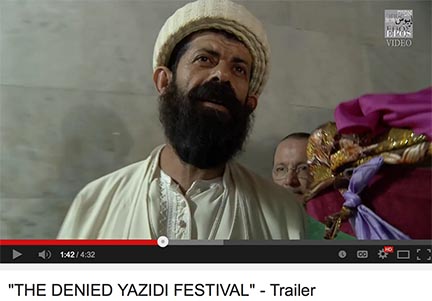
In October, 2013, the main Yazidi religious festival at Lalish Temple in Iraqi Kurdistan was cancelled, due to security reasons. A film was made about this by EPOS and the trailer is available on Youtube.