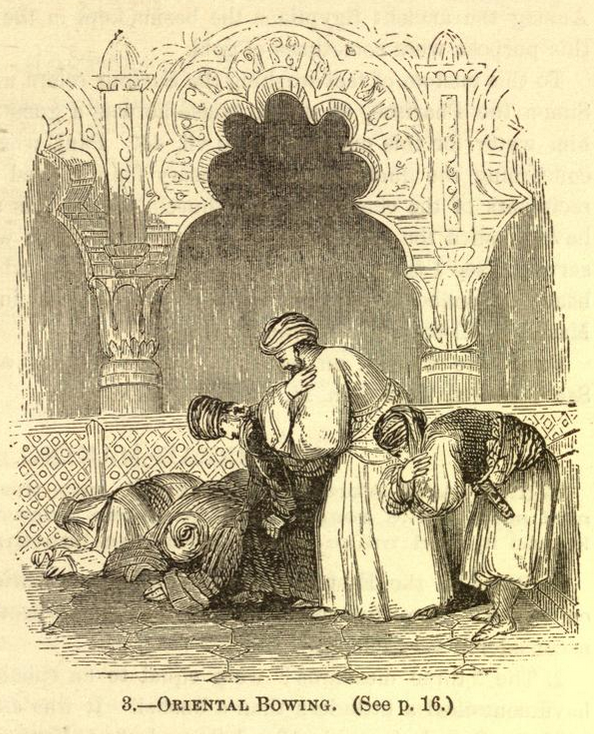
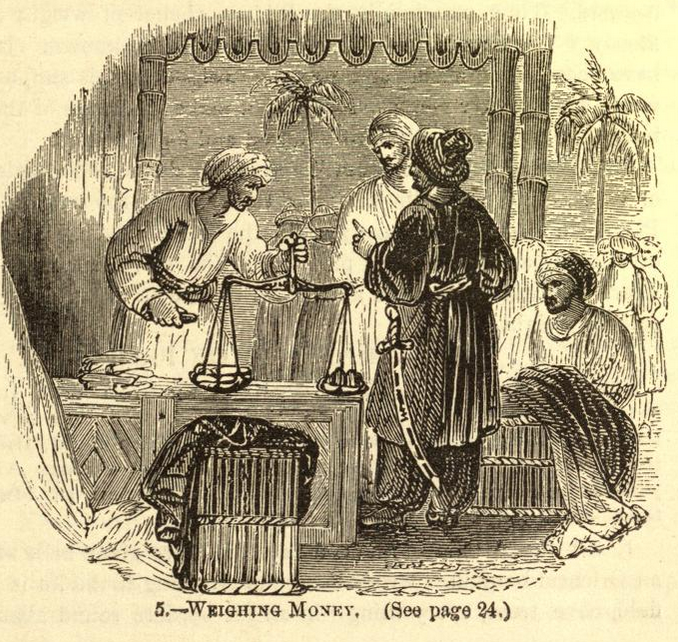
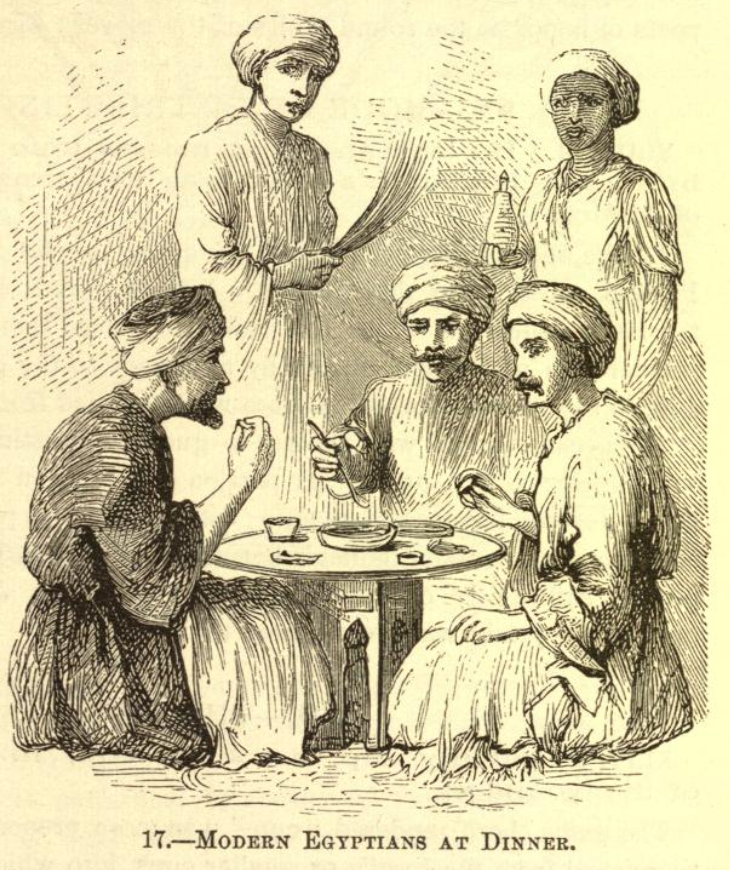
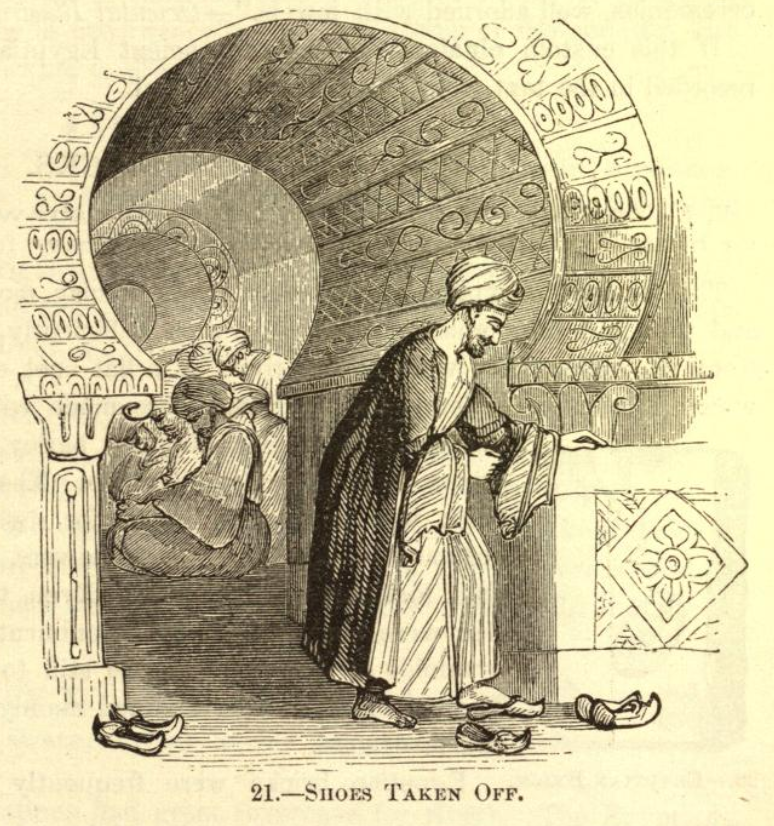
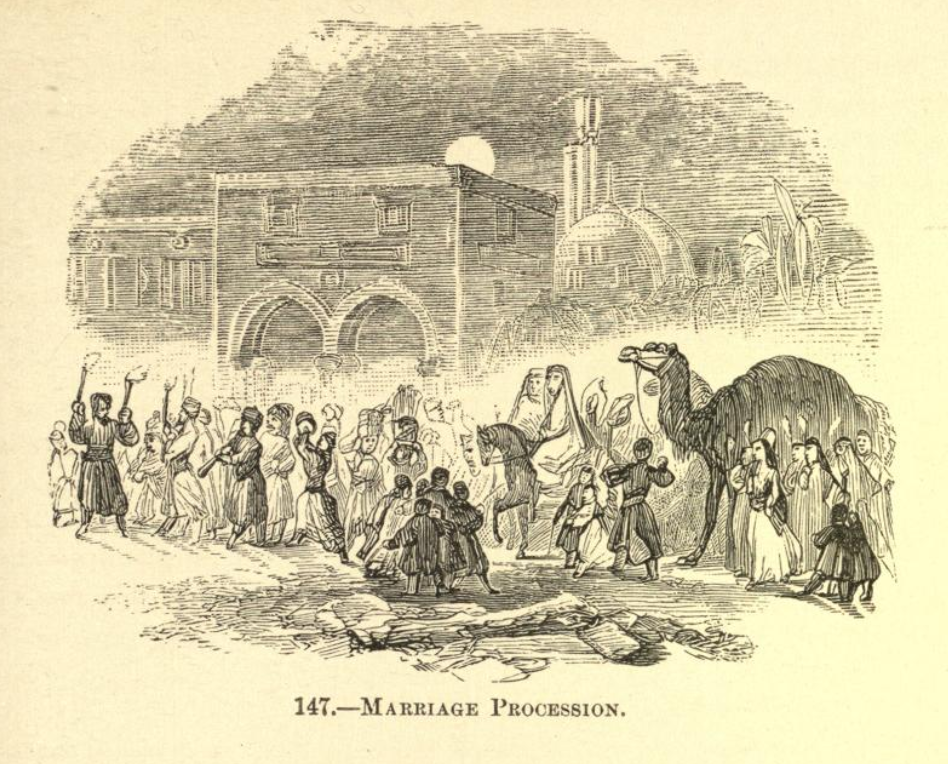
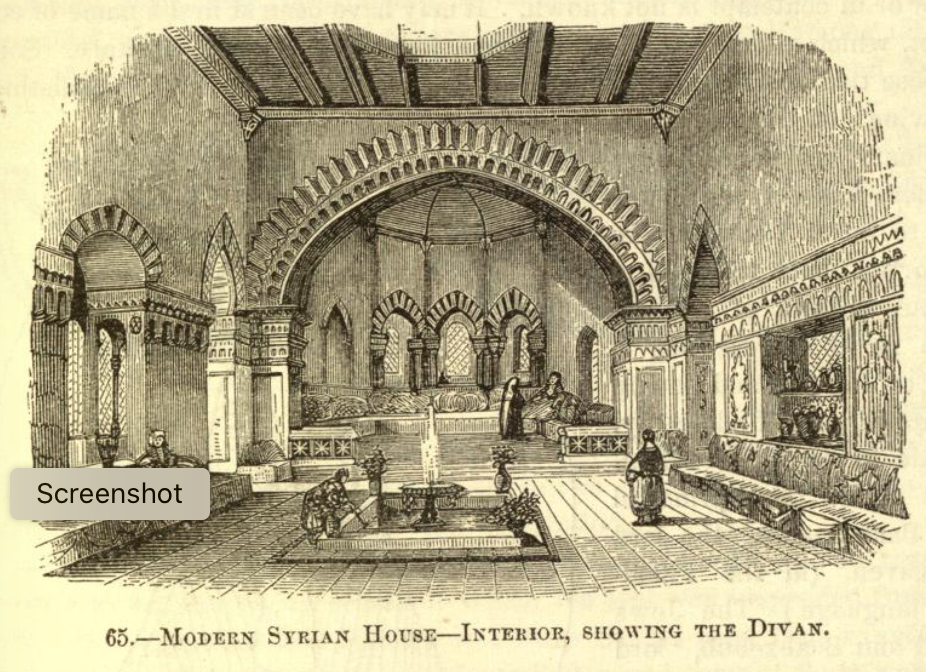
There were many books written by Christian missionaries and clergy during the 19th century. While the text itself has long since been outdated, the engravings are still fascinating to look at. The illustrations here are from an 1875 book of Bible Manners and Customs by the Methodist-Episcopal preacher James M. Freeman. It is available for free on archive.org. But there is also a brand new edition currently in press for 2021 and already noted on Amazon. I attach several of the images below the book title.
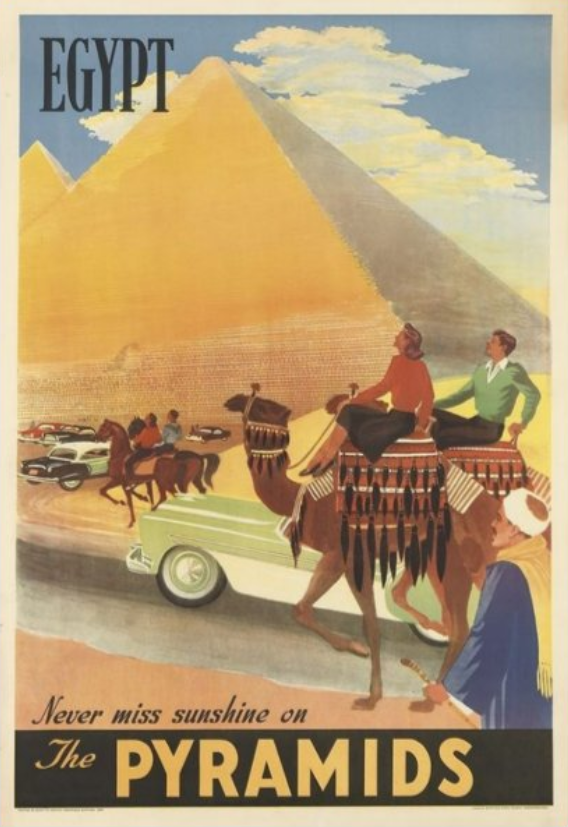
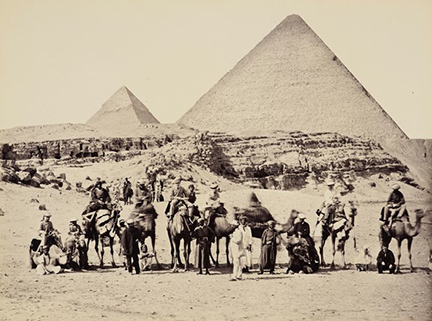
The image above, a drawing from the 1850s, epitomizes how the camel has been imagined for everyone in America, the West and just about everywhere outside the area where camels were important domestic animals. A turbaned man astride a galloping camel: Orientalism has ruled the day. And when Westerners visited the Middle East, riding a camel became a touristic must-do, as in the image below:
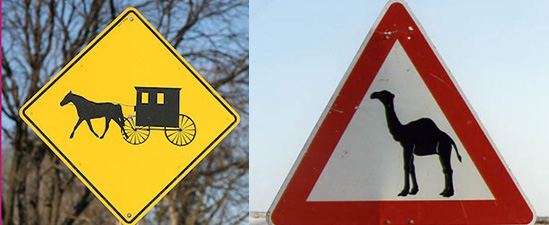
Camels (the one-humped kind) do exist outside the Middle East, including the Old West of the United States and Australia. But take a look at the next picture of two warning signs. One is from Qatar, where camels sometimes cross a rural road, and the other is from the Amish country in Ohio. The Amish are a group who came to America to escape persecution in Europe and maintain an old lifestyle without electricity or automobiles. I used to visit the Amish parts of central Ohio when I was a child and it was always a game to see who could spot the first Amish buggy. So, I would have been quite shocked to see a camel warning in Ohio.
But today it may be necessary, since the Amish are now raising camels for milk, an idea sparked by a Saudi that led to a company, Desert Farms, being formed in 2015. The prices are a bit out of reach at $18 for 16 ounces of fresh camel milk or $72 for 200 grams of powdered camel milk. But as the site exclaims, camel milk is halal and even if not really kosher, it can be at times.
So if you can afford it or find it (and good luck at that), drink up.
If you would like to look at (or buy) old postcards and images from and about the Arab world, including North Africa, this site of cardcow.com is worth a look…
This Mountains of Central Asia Digital Dataset (MCADD) consists of a collection of books, journals and maps related broadly to the Himalayas and its outlying attached ranges including the Hindu Kush, the Karakorams, the Pamirs, the Tian Shan and the Kuen Lun as well as the Tibetan highlands and the Tarim basin. These materials are housed in this site, and are freely available for personal non-commercial use and downloading.
Some of this material was originally downloaded from the Google Books website, but often this material from Google has been augmented by the addition of maps and other oversize materials that were excluded when the original Google scans were done and/or the addition of missing pages. For example, the Google scans of the 50 volumes of the Royal Geographical Society Journal, published between 1830 and 1880 do not include any of the oversize maps—these maps have all now been scanned and some 450 maps added in their proper location to each of the journal volume pdf files on the PAHAR website.
Various aids to searching specific topics, such as indexes of articles related to the MCADD geographic area (Himalaya, Tibet and Central Asia) have also been prepared for the more prolific journals, such as those of the Royal Geographical Society, the Royal Central Asian Society, and the Asiatic Society of Bengal. Continue reading Mountains of Central Asia Digital Dataset→
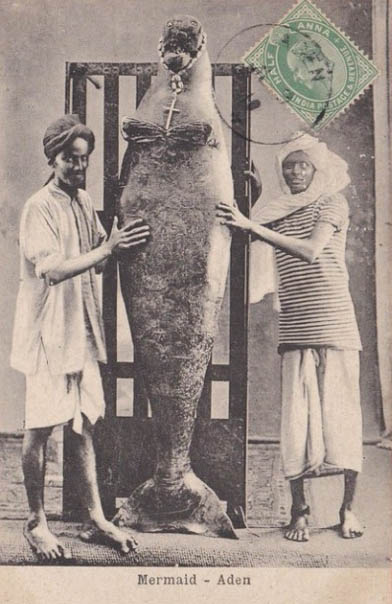
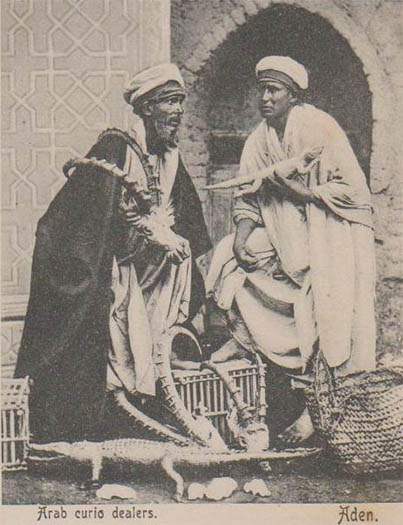
There are many postcards on the Internet from old Aden under British control. Photographers in Aden were not immune to the Orientalist gaze on the curious and the bizarre.
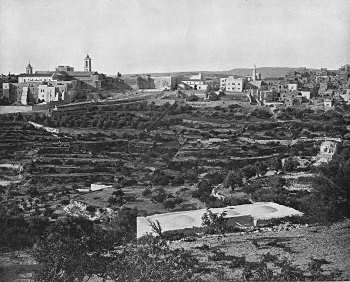
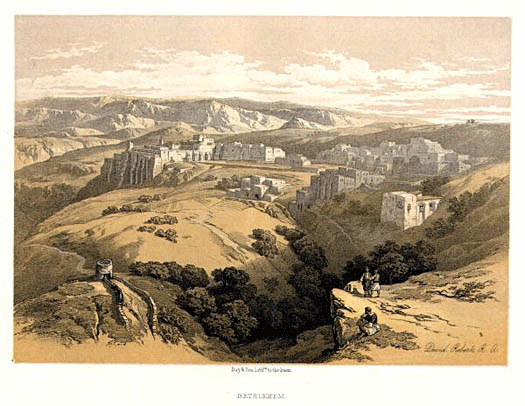
December eyes are fixed on Bethlehem, which has been an inspiration for artists over many years and indeed centuries. On this Christmas day, take a look at Bethlehem as it might have looked more than a century ago.
Left hand element of a stereoscopic photograph of the Bethlehem region circa 1900. Courtesy of Glenn Bowman.
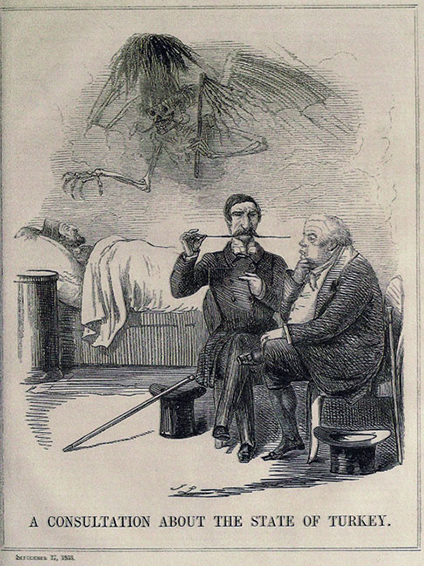
Turkey – “The sick man of Europe”, by John Leech, Punch, September 17, 1853
For a fascinating collection of cartoons, many from Punch, since 1853, check out the website “A Cartoon History of the Middle East,” compiled by Peter Casillas.