As begun in a previous post, here is another excerpt from Philip J. Baldensperger’s The Immovable East, published in 1913, and available for free as a pdf at archive.org.
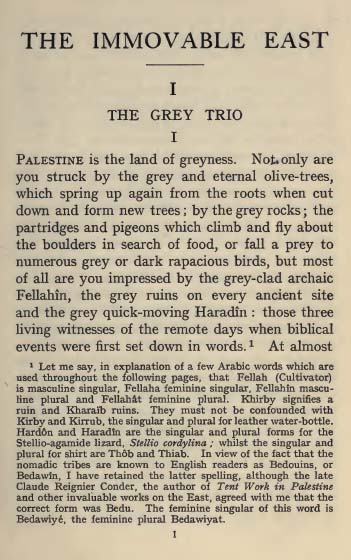
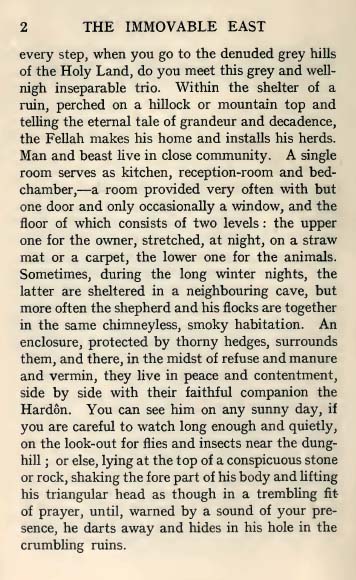
As begun in a previous post, here is another excerpt from Philip J. Baldensperger’s The Immovable East, published in 1913, and available for free as a pdf at archive.org.
Emory approves new Ph.D. in Islamic Civilizations Studies
By Elaine Justice, Emory News, May 2, 2012
A new Ph.D. program in Islamic Civilizations Studies (ICIVS) has been approved by Emory University’s Board of Trustees for the university’s Laney Graduate School.
“Faculty have come together from several Emory schools and departments to establish a comprehensive approach to research and scholarship in this vital area, a pattern which is a hallmark of the Laney Graduate School,†says Lisa Tedesco, dean of the Laney Graduate School and vice provost for academic affairs–graduate studies.
The program will offer an interdisciplinary approach to the study of the global impact of Islam, says Vincent Cornell, Asa Griggs Candler Professor of Middle East and Islamic Studies and chair of the Department of Middle Eastern and South Asian Studies.
“Demand for specialists in the Islamic world and Islamic studies is high and is expected to remain so for the next decade at least,†he says. “The program in Islamic Civilizations Studies will be a place for graduate students who are interested in the interface between the histories, languages, literatures and societies of the Islamic world.â€
The new independent and interdisciplinary program is designed to complement and cooperate with Emory’s current Ph.D. programs in the Graduate Division of Religion (GDR), anthropology, comparative literature, Spanish, history, political science, philosophy and the Graduate Institute of the Liberal Arts. It also is designed to complement and cooperate with current and future programs in Jewish studies. Continue reading Emory Ph.D. in Islamic Civilizations Studies
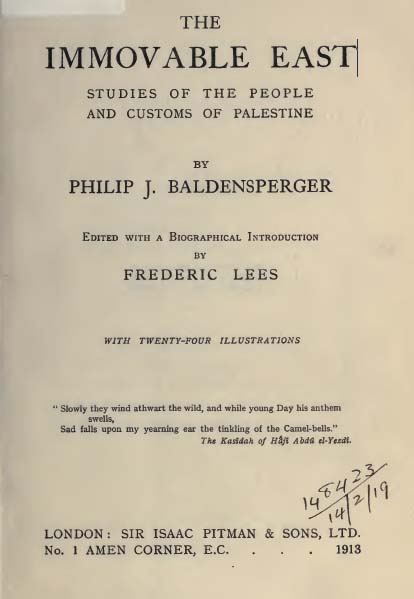
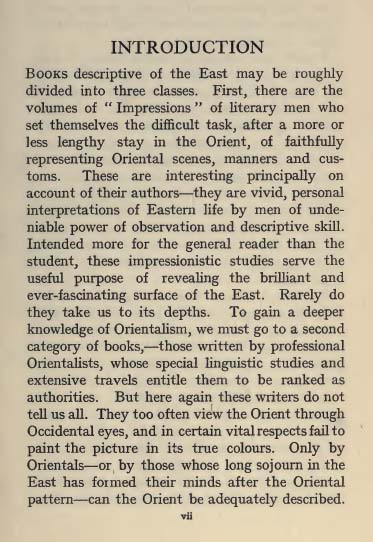
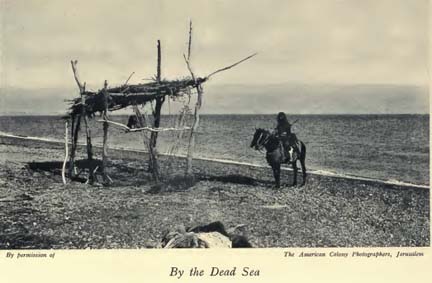
The land currently contested by Israelis and Palestinians has a long history of being contested. In the 19th century, when the area was under Ottoman control, several foreign missionaries settled in the land where Jesus walked. Philip J. Baldensperger, born in 1856, was the son of an Alsatian missionary living near Jerusalem. As a boy who grew up in Palestine, he learned first hand many of the customs and wrote his observations down. His magnum opus is The Immovable East, published in 1913, and available for free as a pdf at archive.org. I attach here the introduction to the work by the bibliophilic Frederic Lees. The pictures are well worth looking at the text, which is a fun read with banal Orientalist trimmings of an area where politics rules the day as never before.
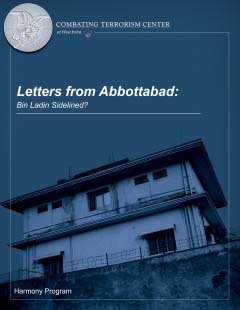
The Combating Terrorism Center at West Point has just issued a report on the letters found at Bin Laden’s compound in Pakistan. This is: Letters from Abbottabad: Bin Ladin Sidelined?
The authors are Don Rassler, Gabriel Koehler-Derrick, Liam Collins, Muhammad al-Obaidi, and Nelly Lahoud. Here is the description and it can be downloaded here.
This report is a study of 17 de-classified documents captured during the Abbottabad raid and released to the Combating Terrorism Center (CTC). They consist of electronic letters or draft letters, totaling 175 pages in the original Arabic and 197 pages in the English translation. The earliest is dated September 2006 and the latest April 2011. These internal al-Qa`ida communications were authored by several leaders, most prominently Usama bin Ladin. In contrast to his public statements that focused on the injustice of those he believed to be the “enemies†of Muslims, namely corrupt “apostate†Muslim rulers and their Western “overseers,†the focus of Bin Ladin’s private letters is Muslims’ suffering at the hands of his jihadi “brothersâ€. He is at pain advising them to abort domestic attacks that cause Muslim civilian casualties and focus on the United States, “our desired goal.†Bin Ladin’s frustration with regional jihadi groups and his seeming inability to exercise control over their actions and public statements is the most compelling story to be told on the basis of the 17 de-classified documents. “Letters from Abbottabad†is an initial exploration and contextualization of 17 documents that will be the grist for future academic debate and discussion.

by Mark LeVine, PhD Dept. of History, UC Irvine, posted on Al-Jazeera, May 1, 2012
Dear David,
It’s been too long. I was a little surprised that I was not part of your just published list of dangerous, Jew- (self-) hating, Nazi-loving supporters of Boycotts, Divestments and Sanctions against Israel. Maybe I’m not good – sorry, evil – enough to have made the A-list of Israel-bashers featured in your April 24 New York Times ad . But not even your full list, with 1,004 professors, journalists, artists, activists and organisations? Was there really no room for me, one of your original 101 most dangerous professors?
Indeed, the new list, like the old one, is much longer than the sample you’ve presented. You’ve only scratched the surface; you should hire more interns. Let me help you a bit; you can add me now.
While adding my name, perhaps you might consider the implications of so many people from all walks of life joining the BDS movement: they have decided that decades of illegal Israeli occupation, massive settlement construction, the destruction and theft of much of the natural resources of the West Bank and Gaza – from olive trees to precious water resources – and the systematic detention, torture and murder of tens of thousands of Palestinians, have done grave harm to Palestinian society. These crimes against the Palestinians involve such a wide spectrum of Israeli society and government that calling for the boycott of Israeli institutions, divestment from the Israeli economy and sanctions against the government is both a necessary and moral response to this situation.
You argued in the New York Times ad that supporting BDS is akin to supporting the Nazi attacks on Jews in the years leading up to the Holocaust. You have labelled anyone who accuses Israel of murdering Palestinians – which is actually a statement of fact, not an accusation – a terrorist or supporter of terrorism. This is, of course, nonsense. Continue reading Dear David Horowitz, stop the slander and come to Palestine
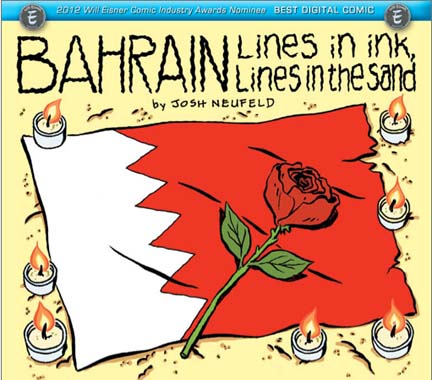
The continuing turmoil in Syria and impending election in Egypt have knocked Bahrain off the news cycle. Things there are not so funny, but it is still worthwhile to take a comic look. You can do that here.
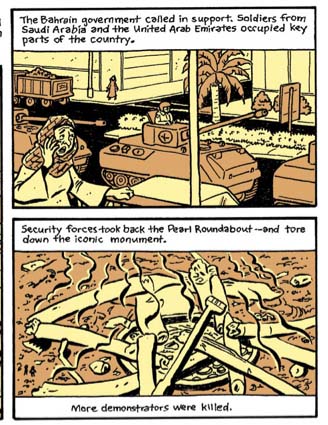
sample illustration from Josh Neufeld’s “Lines in Ink, Lines in the Sand”
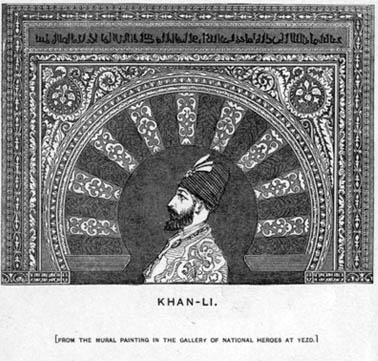
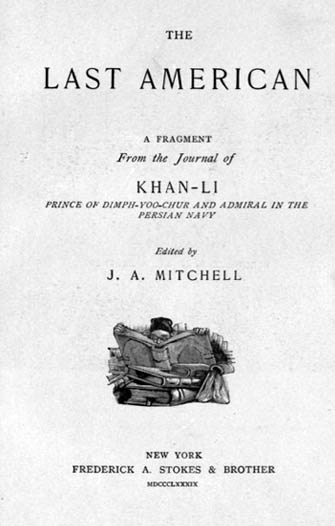
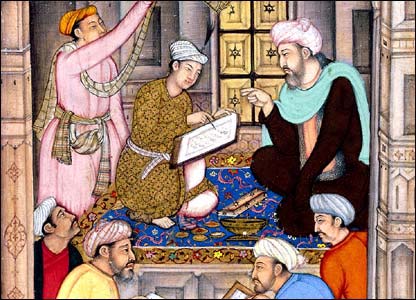
There was a time when “Oriental Tales” were the rage of the age. Montesquieu penned Lettres Persanes in 1721 and Oliver Goldsmith followed up several decades later with The Citizen of the World. But I recently came across a late 19th century text about a future visit of a Persian Prince and Admiral to the ruins of a land known as Mehrica. This is The Last American and purports to be the journal of Khan-Li, a rather bizarre name for a Persian but so thoroughly Orientalist in mode. The Introduction to the text was provided in a previous post.
It is quite apt that the epigraph for the book is a dedication to “the American who is more than satisfied with himself and his country.”
Given the recent “Occupy Wall Street” interest, here is a century old look at what it might have been in ruins…
Continue reading The Last American #2
There was a time when “Oriental Tales” were the rage of the age. Montesquieu penned Lettres Persanes in 1721 and Oliver Goldsmith followed up several decades later with The Citizen of the World. But I recently came across a late 19th century text about a future visit of a Persian Prince and Admiral to the ruins of a land known as Mehrica. This is The Last American and purports to be the journal of Khan-Li, a rather bizarre name for a Persian but so thoroughly Orientalist in mode. The admiral visits America in 1990 ( a century after the book was written), when American is in ruins, following the massacre of the Protestants in 1907 and the overthrow of the Murfey dynasty in 1930. But let the introduction to the text set up the marvels…