All posts by tabsir

حصن التعكر في محافظة إب


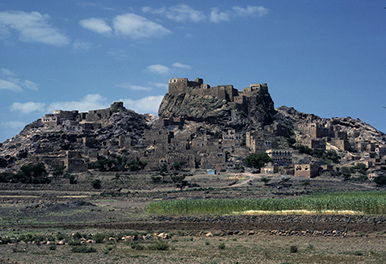
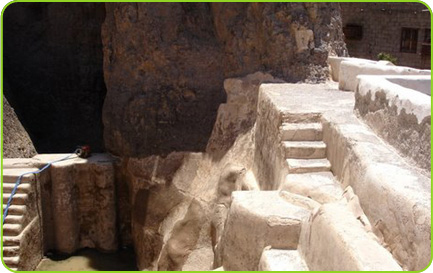
حصن التعكر في محافظة إب .. من اشهر القلاع الحربيه في التاريخ اليمني القديم

صحافة نت 26 نوفمبر 2013

استطلاع / محمد مزاحم / جبل التعكر من أشهر الحصون والقلاع الحربية في التاريخ اليمني القديم لا سيما في عهد الدولة الصليحية.. عندما تفكر بالذهاب إليه.. لمعرفة تلك الأسرار التي تحدث عنها المؤرخون، فإن ذلك يتطلب منك المرور على مدينة جبلة التي تقع شمال شرق التعكر، والتي ارتبط اسمها باسم الملكة أروى بنت أحمد الصليحي وقد جعلت من جبلة العاصمة السياسية لدولتها ومن جبل التعكر منتجعاً سياحياً لها خاصة في موسم الأمطار والإخضرار..

عندما تصل إلى حصن أو جبل التعكر “كما يحب تسميته المؤرخون” فأنك لن تنسى فيما بعد هذا المكان فالحصن لا تجد شبراً من الأرض التي حوله إلا يسيطر عليها الإخضرار..

إضافة إلى أن موقع الحصن الذي يرتفع حوالي “3000” متر فوق سطح البحر يجعلك تسبح في ملكوت الله حيث تستطيع وأنت في قمته أن تمد نظرك إلى أبعد ما يمكن أن يتصوره المرء حيث يطل الجبل من الناحية الجنوبية الغربية على مدينة ذي السفال وأجزاء من السياني ومن ناحية الشمال يمكن مشاهدة مدينة جبلة والوقش وسائلة جبلة ومفرق جبلة أما من الجهة الجنوبية الشرقية فيمكن مشاهدة مدينة السياني وعندما تطل من أعالي جبل “التعكر” فأنك حينها ستشعر وكأنك طائر يطير بجناحيه في السماء، وتزيد لديك أحاسيس الفرح والسعادة عندما تنقل نظرك من جهة إلى أخرى لتشاهد الفضاء الواسع الأفق الرحب، والمناطق الجميلة دائمة الاخضرار والتي يتجه المزارعون لزراعتها ورعايتها ومن ثم حصادها.

وأنت في أعلى قمة جبل التعكر وتحديداً في وسط الحصن المتهالك حالياً فإنك سترى جبل صبر الذي يأتي إليك بكل ما احتوى من عظمة وجمال وتعرجات ليقول لك ها أنا المنافس الحتمي لجبل التعكر، فتدرك عندها أنك بين عظيمين ولا مقارنة بينهما.
Continue reading حصن التعكر في محافظة إب →

Anti-Muslim Sentiment Rising in the U.S: What Is Happening to Religious Tolerance?

by Charles Kurzman, ISLAMiCommentary, February 13, 2014:

Islamic terrorism has proved to be a relatively small threat to public safety in America since 9/11. Isolated individuals have engaged in sporadic violence such as the Boston Marathon bombings, but radicalization has remained far more limited than security officials feared. A report issued this month by the Triangle Center on Terrorism and Homeland Security shows that the number of Muslim-American terrorism suspects and perpetrators remained low in 2013.

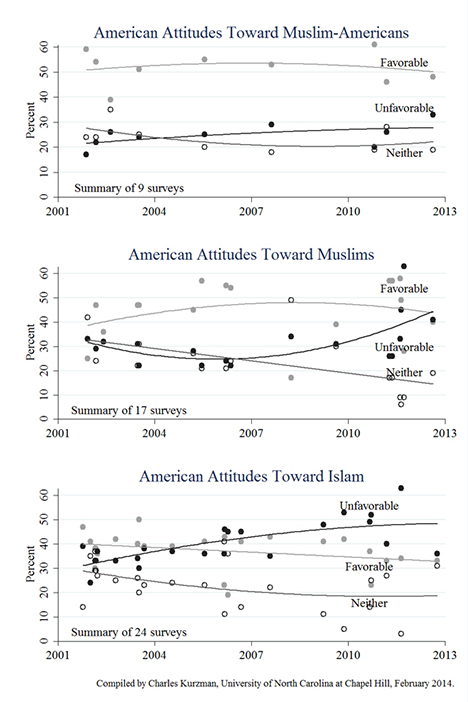
Yet American attitudes toward Muslim-Americans have grown more negative in recent years. Eight surveys since 9/11, most of them conducted by the Pew Forum on Religion and Public Life, have asked random samples of adult Americans whether they have a “favorable” or “unfavorable” view of Muslim-Americans. As shown in the top graph, the proportion answering “unfavorable” has increased over time: before 2006, all five surveys found “unfavorable” rates of 26 percent or lower; in the four surveys between 2006 and 2012, only one found “unfavorable” rates that low.

These numbers are still considerably less than positive responses, but they suggest that a growing segment of the American population is willing to express negative views about Muslim-Americans in recent years. Continue reading Anti-Muslim Sentiment Rising in the U.S: What Is Happening to Religious Tolerance? →

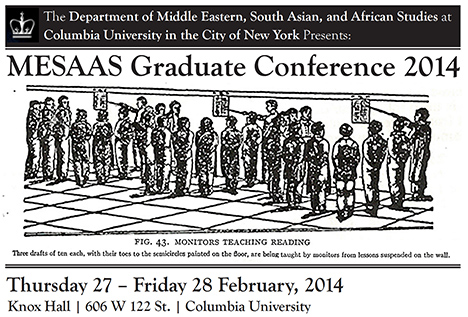
MESAAS Graduate Conference 2014

For more information on this upcoming conference at Columbia University, click here.

THURSDAY 27

8.30 – 9.30 am: Registration (Knox Lobby) and Light Breakfast (Knox 207 and 208)

9.30 – 10.30 am: Welcome Remarks (Matan Cohen) and Plenary Address (Sudipta Kaviraj) – Knox 208

SESSION 1: 10.45 am – 12.45 pm

Scanning the Shelves of the African Islamic Library – Knox 207

Wendell Marsh
Reading Sudanic Africa in the Margins: the Perils of Commentary

Kimberly Wortmann
Intellectual Cartographies in the Medieval Western Sahel (c. 1464-1627)

Ariela Marcus-Sells
Spells and Prayers: Discussing Muslim Practice in Saharan Society

Lori De Lucia
On the Edges of Mediterranean History: Finding Evidence for Sub-Saharan African Narratives in the 16th Century Kingdom of Naples

Discussant: Mamadou Diouf
Moderator: Tommaso Manfredini Continue reading MESAAS Graduate Conference 2014 →

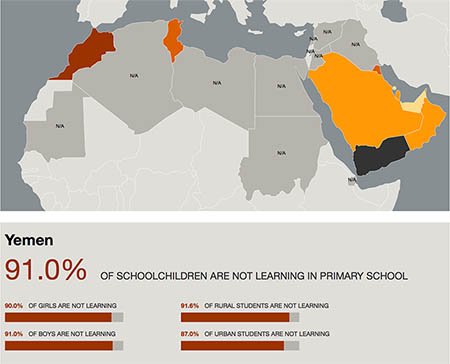
The Arab World Learning Barometer

The Brookings Institute has recently released an “Arab World Learning Barometer,” that includes information on education and youth in Yemen. Check it out here.

The Arab World Learning Barometer is an interactive tool developed by the Center for Universal Education at Brookings. Using the latest available data, the barometer provides a snapshot of the state of education and learning in the Middle East and North Africa.

The barometer measures the quality of education and learning by examining four areas: getting into school, staying in school, whether students are learning basic skills while in school, and the link between education and youth unemployment. The barometer brings together often scarce data for 20 countries in the Arab region. The data cover the 2001-2012 period and do not reflect setbacks due to recent conflicts in the region.

Continue reading The Arab World Learning Barometer →