All posts by tabsir

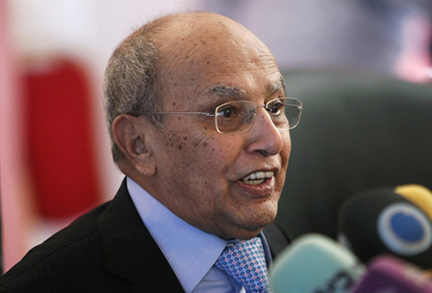
الإرياني :اليمن حققت ما لم تحققه دول عربية أخرى من عملية التغيير


عبد الكريم الارياني

عين اليمن الخميس 24 أبريل

أكد مستشار رئيس الجمهورية الدكتور عبد الكريم الإرياني أن اليمن حققت ما لم تحققه دول عربية أخرى من حيث عملية التغيير التي يعود الفضل في ذلك إلى المبادرة الخليجية وآليتها التنفيذية والالتزام بهما الأمر الذي أفضى إلى انتقال سلس للسلطة وإجراء انتخابات رئاسية مبكرة.

وقال الدكتور الارياني في كلمة له في افتتاح ندوة حول تأكيد حقوق المرأة في الدستور والمجتمع اليمني تنظمها مؤسستي منيرفا والقانون الدولي الإيطاليتين بدعم وزارة الخارجية الإيطالية: بالتعاون مع السفارة اليمنية في روما ” إن دور المرأة البارز والمؤثر سواء في الثورة الشبابية أو الحوار الوطني أصبح جزء لا يتجزأ من الحياة السياسية والاقتصادية والاجتماعية والثقافية “.

وأشار مستشار رئيس الجمهورية إلى أن المرأة حصلت على حقوق لا يستطيع أحد أن يسلبها تلك الحقوق .. لافتا إلى أن المرأة في اليمن أصبحت شريكا فاعلا ومؤثرا لشقيقها الرجل وممثلة بما لا يقل عن 30 بالمائة في السلطات التنفيذية والتشريعية ومستقبلا القضائية .

ونوه الدكتور الإرياني بدور وزارة الخارجية الإيطالية ومؤسسة منيرفا ومؤسسة القانون الإيطاليتين في دعم ومساندة قضايا المرأة في اليمن . من جانبها أكدت وزيرة الشؤون الاجتماعية والعمل الدكتورة أمة الرزاق علي حُمد أن مخرجات مؤتمر الحوار الوطني تعتبر الموجه الأساس لكل البرامج في اليمن للعمل من أجل مستقبل أفضل وواعد بالخير والعطاء .

وأشارت إلى أن مخرجات مؤتمر الحوار الوطني أنصفت المرأة اليمنية من خلال حصولها على حق المشاركة في مختلف المجالات السياسية والاجتماعية والاقتصادية بنسبة لا تقل عن 30 بالمائة . وقالت :” إن لم يكن هناك بداية من الدستور ثم القوانين على حق مشاركة المرأة فإننا لن نتمكن من الوصول إلى كل المواقع “..
Continue reading الإرياني :اليمن حققت ما لم تحققه دول عربية أخرى من عملية التغيير

Tabsir Redux: The Last American, #2

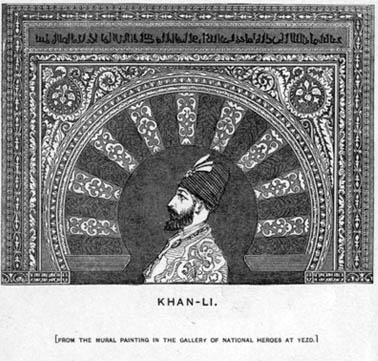
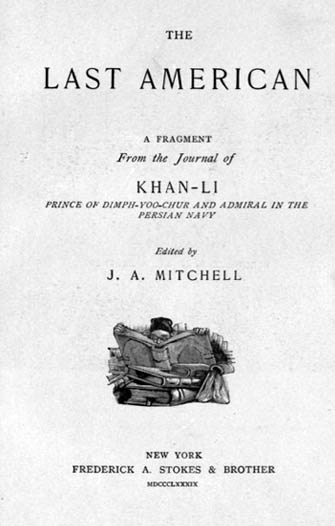
There was a time when “Oriental Tales” were the rage of the age. Montesquieu penned Lettres Persanes in 1721 and Oliver Goldsmith followed up several decades later with The Citizen of the World. But I recently came across a late 19th century text about a future visit of a Persian Prince and Admiral to the ruins of a land known as Mehrica. This is The Last American and purports to be the journal of Khan-Li, a rather bizarre name for a Persian but so thoroughly Orientalist in mode. The Introduction to the text was provided in a previous post.

It is quite apt that the epigraph for the book is a dedication to “the American who is more than satisfied with himself and his country.”
Given the recent “Occupy Wall Street” interest, here is a century old look at what it might have been in ruins…
Continue reading Tabsir Redux: The Last American, #2

Feeling Happy in the Middle East

Given all the unhappiness, it is refreshing to find a little happiness in the Middle East, even if it is musical. Enjoy the following:

Happy in Yemen (https://www.youtube.com/watch?v=2JzNxo5m8vI)

Happy in Abu Dhabi (https://www.youtube.com/watch?v=audy0aHjdyg)

Happy in Algeria (https://www.youtube.com/watch?v=Dr3-6H6P6Ng)

Happy in Egypt (https://www.youtube.com/watch?v=5D5dO5cn1PQ)

Happy In Kuwait (https://www.youtube.com/watch?v=mQzDDg2poOc)

Happy in Jerusalem (https://www.youtube.com/watch?v=-oszKeU7lEs)

Happy in Jordan (https://www.youtube.com/watch?v=JyXGv-7b_xo)

Happy in Lebanon (https://www.youtube.com/watch?v=7RqSFiVUhDw)

Happy from Morocco (https://www.youtube.com/watch?v=qnuNA8HkVp0)

Happy in Qatar (https://www.youtube.com/watch?v=V8N5TkduFjA)

Happy from Saudi Arabia (https://www.youtube.com/watch?v=YKi4iAl_qb0)

Happy in Turkey (https://www.youtube.com/watch?v=a12vAtzbe68)

Unravelling culture in Iraq’s Kurdish region


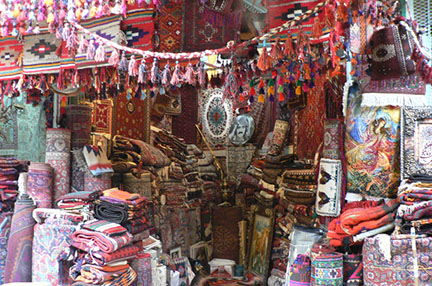
It is getting harder for Iraqi-Kurdish vendors to find stock of genuine Kurdish handicrafts [Lara Fatah/Al Jazeera]

by Lara Fatah, Al Jazeera, April 20, 2014

Erbil, Iraq – In the heart of the ancient city of Erbil, capital of the Iraqi Kurdistan region, stands the Erbil citadel, or Qalat, as it is known locally. A walk along the city walls, which are currently under restoration, brings people to one of the region’s gems: the Kurdish Textile Museum.

It is here that the lost art of weaving and handicrafts is being re-taught. Shereen Fars Hussan, one of 40 women trained in weaving at the museum since 2009, sits quietly in the building’s cool upper interior as her colleagues chatter with pride at having learned these traditional skills.

Hussan, 30, remembers how she used to watch her grandmother weave carpets and kilims (tapestry-woven carpets). “She would tell us stories about the old ways of life in Kurdistan, how she would weave carpets with the patterns that her own grandmother and mother had taught her from childhood, but war and genocide meant that she couldn’t pass on the skills to my mother and me,” Hussan told Al Jazeera.

VIDEO: Kulajo – My heart is darkened Continue reading Unravelling culture in Iraq’s Kurdish region

Tabsir Redux: This is not an Easter Egg

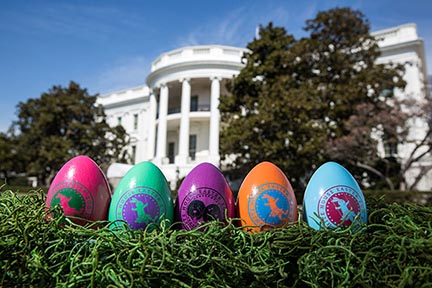
Christians around the world celebrate Easter with thoughts of the empty tomb and resurrection of Christ. But there is more. Weather permitting, children are let loose in their Sunday best to hunt for Easter eggs, adding a secular, healthy, dietary blessing to the baskets of chocolate bunnies and jelly beans waiting at home. Even the White House lawn is set for the annual Easter Egg Roll (minus the Christian Rock) on Monday. It is as though many Christians are not content to leave the tomb empty. Apparently egged on by the spring fever of long forgotten fertility rites, the main message of Christianity gets sidetracked to a debate of anything but intellectual designing: which comes first, the Easter egg or the Easter bunny?

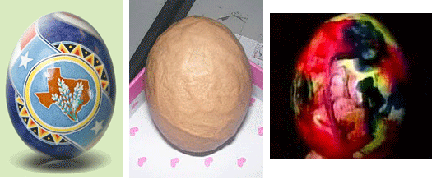
Eggs are not the exclusive mystical domain of Christendom (although the ludicrous lengths taken to parade a sacred holiday into outrageous bonnets and Texas-shaped eggs suggest we have entered the dispensation of Christendumb). Secular folk and agnostics eat their eggs for breakfast with bacon, toast and diner coffee. But all God’s children like eggs, including Muslims with internet savy and a taste for the miraculous. Take a gander (but do not confuse his spouse’s eggs with those shown here) at the three eggs shown below. What do you see different in the middle egg than the ones on either side (hint: the left is from the 2007 White House State of the Union Eggroll and the right is from 2006 Easter Sunday):
Continue reading Tabsir Redux: This is not an Easter Egg

Tabsir Redux: The Last American, #1

There was a time when “Oriental Tales” were the rage of the age. Montesquieu penned Lettres Persanes in 1721 and Oliver Goldsmith followed up several decades later with The Citizen of the World. But I recently came across a late 19th century text about a future visit of a Persian Prince and Admiral to the ruins of a land known as Mehrica. This is The Last American and purports to be the journal of Khan-Li, a rather bizarre name for a Persian but so thoroughly Orientalist in mode. The admiral visits America in 1990 ( a century after the book was written), when American is in ruins, following the massacre of the Protestants in 1907 and the overthrow of the Murfey dynasty in 1930. But let the introduction to the text set up the marvels…

Continue reading Tabsir Redux: The Last American, #1

Bringing Muslims back to science

Bringing Muslims back to science
Is Muslim religious discourse on scientific matters killing the scientific aspirations of the religious?

By Mohamed Ghilan, Al Jazeera, April 11, 2014

The most important rule in Islam is “judgment on anything is a branch of conceptualising it”. To determine whether a belief can be accepted by a Muslim or not, this is the first and most often repeated principle. However, when it comes to matters scientific, this indispensable rule for correct judgment is paradoxically the most disregarded one.

Ever since the decline of the Islamic civilisation and the end of its Golden Age, Muslims have ironically taken up superstitious and irrational thinking habits they had previously dropped when they originally accepted the Message of Prophet Muhammad. The ideas that the sun could eclipse for the death of someone, that certain numbers have magical powers, or that birds flying in a certain direction indicates an omen of some kind were among superstitious beliefs explicitly pointed out by Prophet Muhammad and in verses in the Quran for their irrationality. Unfortunately, it seems that Muslims have gone full circle. Out of the top 20 countries in overall science output, Turkey is the sole Muslim representative, barely sneaking in at number 19.

Overly simplistic explanations of this phenomenon have pointed to Al-Ghazali (c 1058-1111), one of the most influential Muslim theologians. His work, The Incoherence of Philosophers, is cited for its negative impact on Muslim thinking. This, however, is a grave misrepresentation of Al-Ghazali, his attack on contemporary philosophers, and the Islamic civilisation as a whole. Continue reading Bringing Muslims back to science