I recently across a copy of The Christian Herald from December 1, 1915 and the lead article by John Maynard Owens is on a recent trip he took to Syria and Iraq. The images are from a century ago and I will attach a few excerpts from the article.
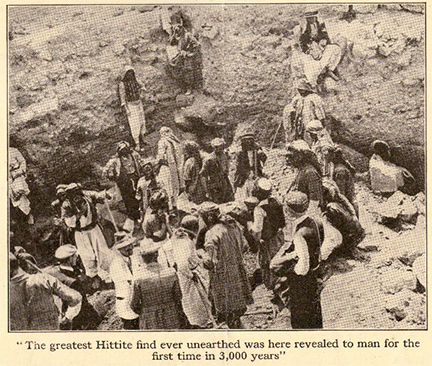
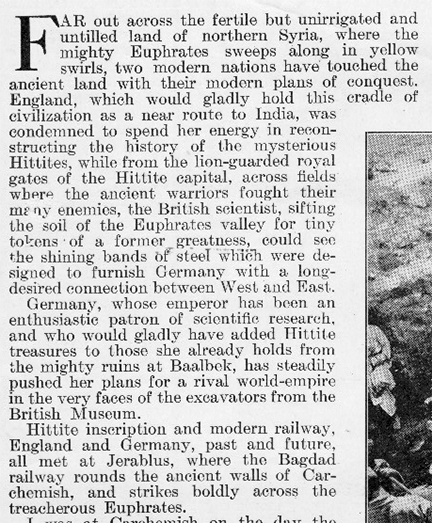
I recently across a copy of The Christian Herald from December 1, 1915 and the lead article by John Maynard Owens is on a recent trip he took to Syria and Iraq. The images are from a century ago and I will attach a few excerpts from the article.
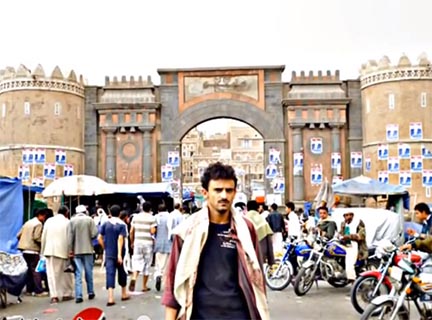
يقرب الله لي بالعاÙيه والسلامه … وصل الØبيب الأغن
ذاك الØبيب الذي Øاز الØلا والوسامه … وكل معنى Øسن
ونسأل الله تعالى عودنا من تهامه … الى سÙØ ØµÙ†Ø¹Ø§Ø¡ اليمن
لأن صنعا سقاها الله Ùيض الغمامه … منزل Øوت كل ÙÙ†
ما مثل صنعاء اليمن … كلا ولا أهلها
صنعاء Øوت كل ÙÙ† … يا سعد من Øلها
تطÙÙŠ جميع الشجن … ثلاثَ ÙÙŠ سÙØها
الماء وخضرة رباها الÙايقه والوسامه … وكل معنى Øسن
كم يضØÙƒ الزهر Ùيها من دموع الغمامه … Ùيا سقاها وطن
يا ليت شعري متى الأيام ØªØ³Ù…Ø Ø¨Ø±Ø¬Ø¹Ù‡ … إلى مدينة أزال
ونستعيد ما مضى يا سيد Ø£Ùديك جمعه … وطيب بساط المطال
لأن من بعدكم ما ك٠لي قط دمعه … والشوق بي لا يزال
وكلما غردت ورقاء بأعلى البشامه … طلقت طيب الوسن
أهيم ÙÙŠ عشقتك … والدمع جاري غزير
ÙˆØ§Ù„Ø±ÙˆØ ÙÙŠ قبضتك … وانا بØبك أسير
والقلب من Ùرقتك … يكاد Ù†Øوك يطير
ÙارØÙ… أسير الهوى من قد تزايد غرامه … إن لم تكن له Ùمن
لأنني لا أطيق الهجر ذا والعدامه … ولا Ø£Øتمل ذا الشجن
تظن يا منيتي ان قد نسيت أو تناسيت … او خنت عهدي القديم
شاØل٠براسك بأني Ùيك من Øين وليت … أبكي Ùˆ ساعه واهيم
ولا Øلى لي سواك Ùˆ لا بغيرك تسليت … يمين والله عظيم
يا ناس ما Øيلة المشتاق ÙÙŠ ريم رامه … ما Øيلة ابن الØسن
يا ربنا يا مجيب … عجل لنا بالرواØ
لوصل ذاك الØبيب … بالأنس والإنشراØ
والدهر ذاك الكئيب … قد تقضًى وراØ
سهل لنا منك باللط٠الخÙÙŠ والكرامه … وعاÙنا واع٠عن
صلي وسلم على طه Ø´Ùيع القيامه .. والأل ما المزن شن
There is a very good Youtube video of interviews with a hundred British imams about the problems with ISIS and how it is doing damage to Islam, especially in Britain. It is well worth seeing. The video was posted on July 11, 2014.
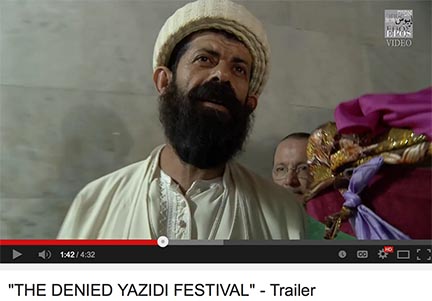
In October, 2013, the main Yazidi religious festival at Lalish Temple in Iraqi Kurdistan was cancelled, due to security reasons. A film was made about this by EPOS and the trailer is available on Youtube.
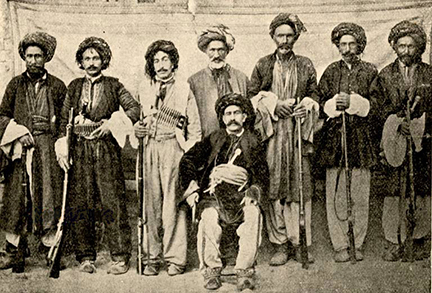
Old photo of Eastern Kurds, 1898
by Serhun Al, Carnegie Endowment for International Peace, August 12, 2014
[Note: for the Arabic version of this article, click here.]
As the Islamic State consolidates its presence in Iraq the question of an independent Kurdish state has again become the subject of heated debate. Despite a rapidly changing situation, with U.S. airstrikes supporting peshmerga attempts to push the Islamic State back, realities regarding the prospects of Kurdish independence remain largely unchanged. Potential challenges include security hurdles, disagreement among Kurdish stakeholders, and the lack of broad international support.
As aspirations among the Kurdish population for an independent, secure, and economically flourishing state within Iraq mount, rifts within Kurdish parties stand in the way of even an agreement on whether independence is viable. Rival Kurdish groups, each fearful of losing the status quo, have proven extremely divided on the question of statehood. The quest for independence is more likely to incite these rivalries than soothe them. Massoud Barzani, the president of the ruling Kurdistan Democratic Party (KDP), has been pushing for independence, while his main rival party, the Patriotic Union of Kurdistan (PUK), remains unconvinced. Despite its support for independence, the Gorran (Change) movement is concerned about the potential dominance of the Barzani family and the absence of democratic and accountable institutions on which a viable state could be built. Continue reading Debating a Kurdish State
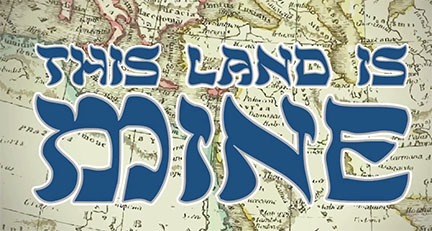
There is an extraordinary cartoon video on Vimeo that gives the historical background to the current battle in Gaza. Check it out here. And God bless Andy Williams.
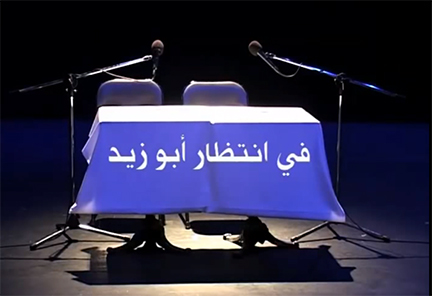
The Egyptian intellectual Nasr Hamid Abu Zayd, who passed away in 2010 at the age of 67, made a major contribution to the study of the Qur’an and other important aspects of Islam, for which he was branded an apostate in Egypt. For a summary of his life with links to videos and major works, check out the page on him in the series of “A Profile from the Archives” on al-Jadaliyya. For a film on his thinking, Youtube has the Lebanese film ÙÙŠ إنتظار أبو زيد .
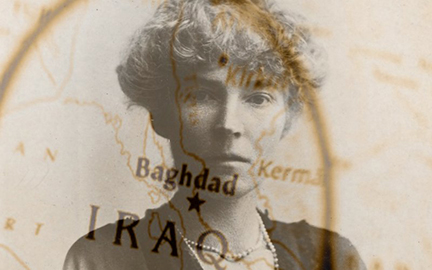
[Here is an interesting article on The Daily Beast by Clive Irving on the role of Gertrude Bell in creating modern Iraq…]
The story of the British intelligence agent who rigged an election, installed a king loyal to the British, drew new borders—and gave us today’s ungovernable country.
She came into Baghdad after months in one of the world’s most forbidding deserts, a stoic, diminutive 45-year-old English woman with her small band of men. She had been through lawless lands, held at gunpoint by robbers, taken prisoner in a city that no Westerner had seen for 20 years.
It was a hundred years ago, a few months before the outbreak of World War I. Baghdad was under a regime loyal to the Ottoman Turks. The Turkish authorities in Constantinople had reluctantly given the persistent woman permission to embark on her desert odyssey, believing her to be an archaeologist and Arab scholar, as well as being a species of lunatic English explorer that they had seen before.