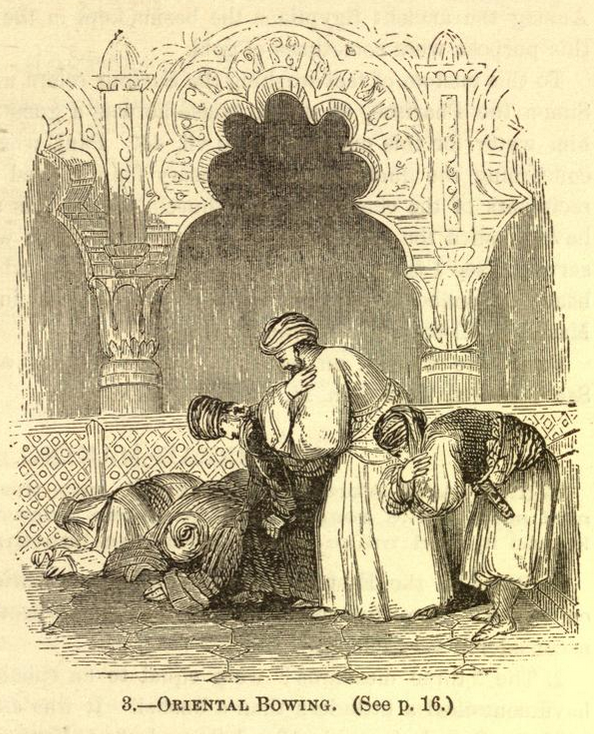
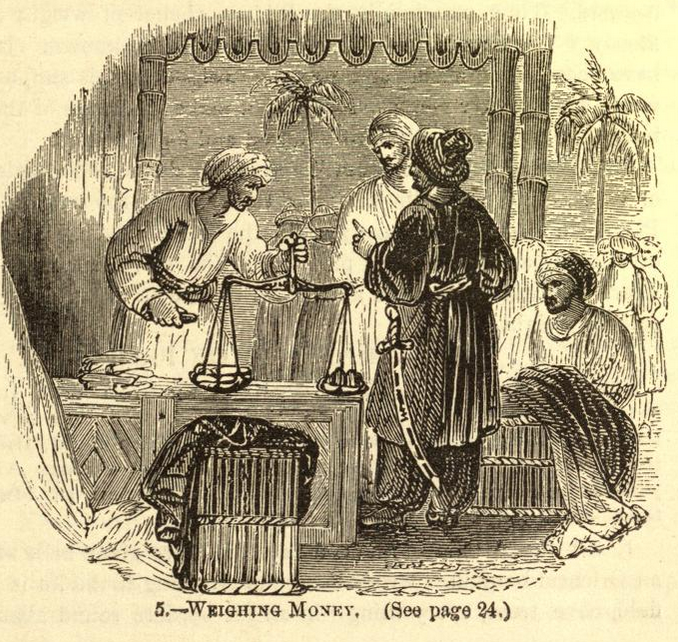
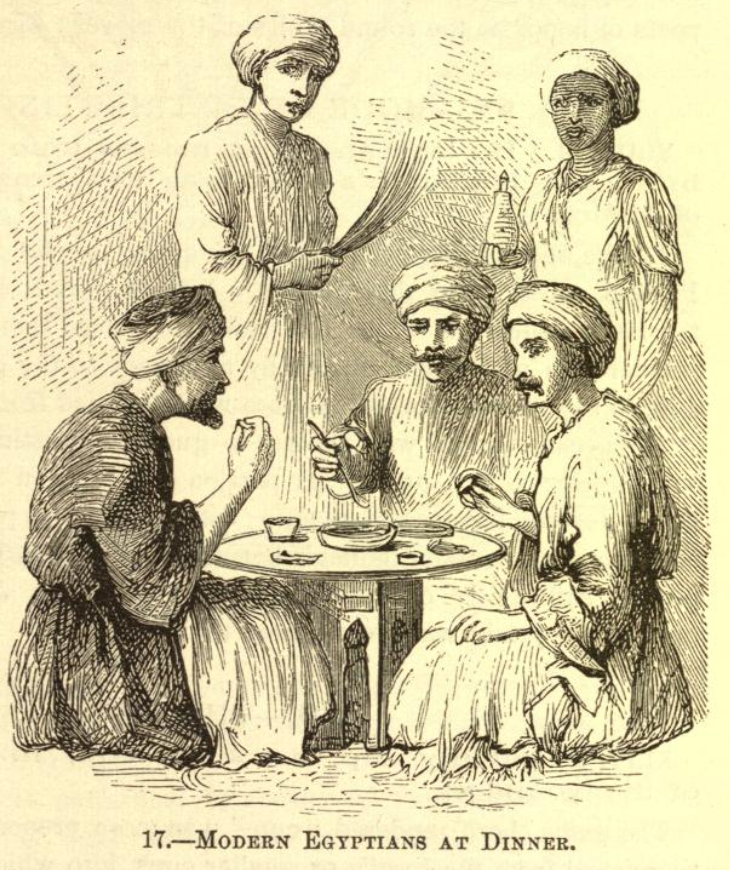
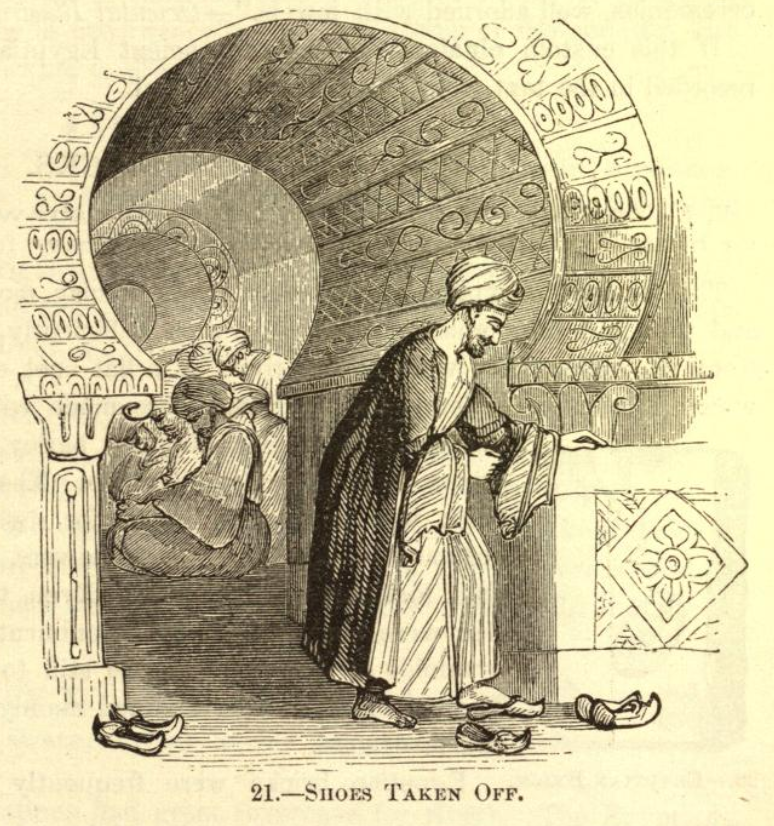
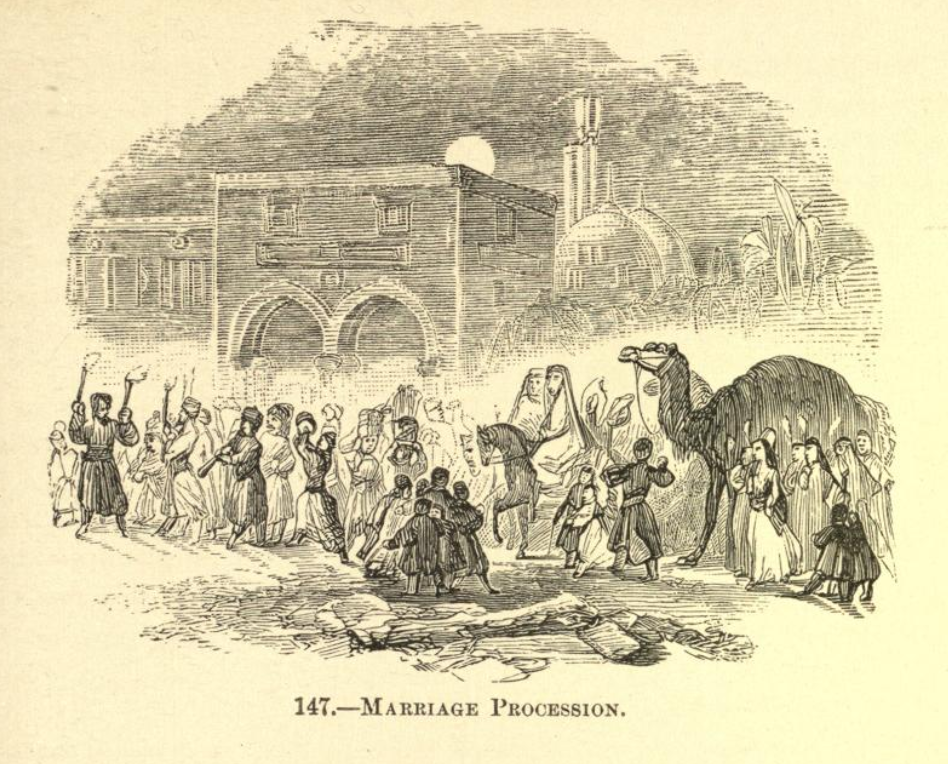
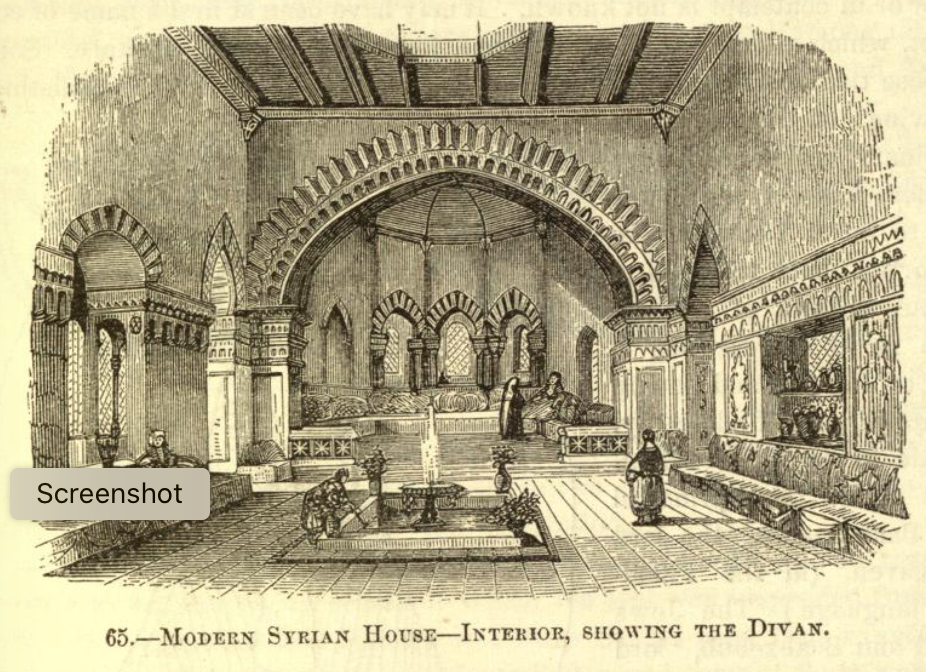
There were many books written by Christian missionaries and clergy during the 19th century. While the text itself has long since been outdated, the engravings are still fascinating to look at. The illustrations here are from an 1875 book of Bible Manners and Customs by the Methodist-Episcopal preacher James M. Freeman. It is available for free on archive.org. But there is also a brand new edition currently in press for 2021 and already noted on Amazon. I attach several of the images below the book title.
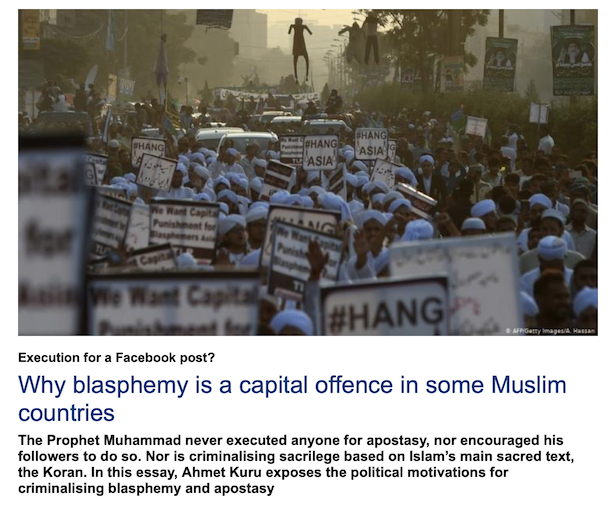
There is an excellent discussion of the origins and extent of apostasy laws in Islamic contexts by Dr. Ahmet Kuru, Porteous Professor of Political Science at San Diego State University in the online forum Qantara.
In 1917 the British government issued a handbook on Yemen with details on the geography. local tribes and important individuals. It is especially useful for discussion of travel routes in Yemen at the start of the last century. This is a treasure trove of information now available for viewing or download at the Qatar Digital Library (QDL). I attach examples of the information.
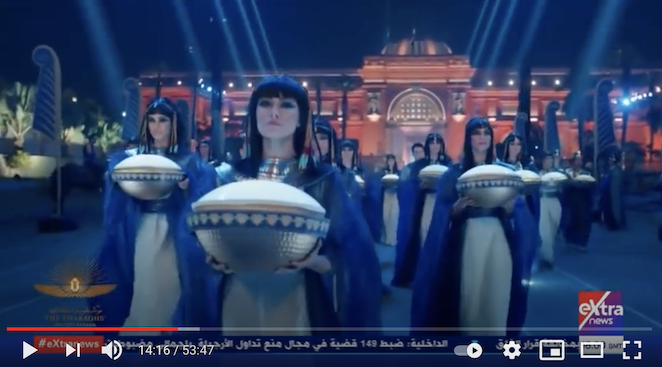
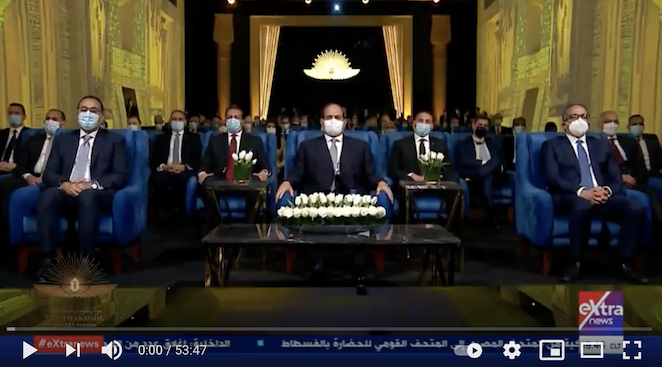
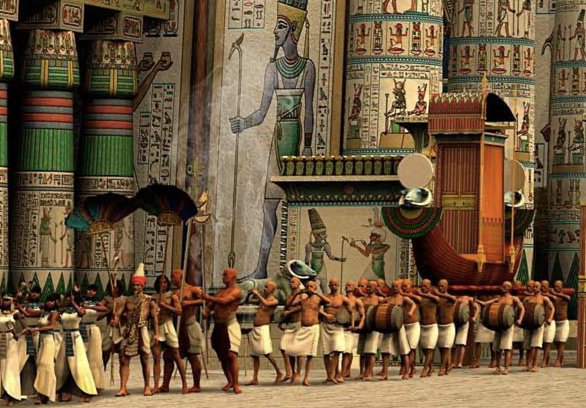
Yesterday there was an extravaganza parade in Cairo parading the embalmed remains of 22 ancient Egyptian pharaohs to their new “eternal” resting place in the National Museum of Egyptian Civilization. You can and should watch the entire show, which you can do here. It featured a major musical composition of Mahleresque length, at times rivaling the soundtrack of Star Wars, but with a lot of drumming to match the pace of the parade. The parade included Egyptian women, shown above, and men dressed in “pharaonic” costume (with a Hollywoodish make-over), men in chariots and coffinesque vehicles carrying the pharaohs and their consorts. On the screen in the auditorium for the elite guests of President el-Sisi, there were scenes of several monuments and dance routines that might best be called an Orient Side Story. You can read all about it here.
The star of the show was the modern day would-be Ramses, President Abdel Fattah el-Sisi, who was front and center before the staged event. He sat like a stoic behind a Covid mask for well over an hour; then as the caravan of his ancestral rulers neared the new museum, there is a scene of several minutes as he walks through the corridors, a smile on his face, to greet the mummies. The reason for spending a large amount of government funds on such a show is obvious: Egypt is desperate to revive the tourism industry. The choreographed show happened at night, with what appear to be few spectators, but the real audience was for those abroad. As one of the speakers said, the heritage of Egypt is the heritage of the entire world.
Presenting Egypt to the world of potential tourists is at the same time sending a message that Egypt is not a dangerous Islamic haven for terrorists, certainly not for the Muslim Brothers after el-Sisi took power. The heritage celebrated in the show was not Islamic, although the theme of ancient Egyptian faith and justice harmonizes with the positive view of Islam the tourism industry must push. The orchestra looked like any classical music orchestra in the world. The close-ups of the players showed most women performers without hijab, as was also the case for the main singers on stage. The only dress visible in the show was what would be seen as modern Western attire, elaborate stage dresses for the singers and supposedly ancient Egyptian costume.
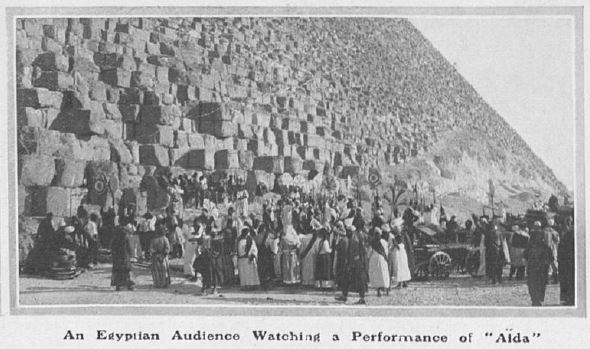
I enjoyed the pomp and pop-cultured kitsch, and the music was enthusiastic in the best way. It was indeed a celebration of Egypt, with an echo of the extravaganza of 1912, when the opera Aidawas performed at the foot of the Pyramid of Cheops. I do not know of a recording from that performance, but here is Caruso’s rendition of “Celeste Aida” from 1908. I have no idea how many people watched that performance, but I suspect it was the better-off beys and not the peasant farmers. By the way, Verdi’s Aida was was commissioned by the Khedivial Opera House in Cairo and had its premiere on 24 December 1871.
The idea of the ruler overseeing a parade is a remake of ancient Egyptian rituals, where it was important to renew the divinity of the ruler, a historic note that perhaps made el-Sisi smile in the corridor. After all, wouldn’t all Egyptian peasants have adored their pharaoh, so happy to spend years lugging stone after stone to erect a monstrous resting place for their master? It’s a wonder why the Hebrews didn’t stay and keep making mudbricks instead of almost drowning in the Red Sea and ending up in the desert for 40 years…
Autocrats, no matter whether they are benevolent or not, love nationalistic parades. In 1971 the Shah of Iran celebrated the founding of the Achaemened by Cyrus the Great 2,500 years earlier. The Soviet Union and China love their military parades and Donald Trump tried to pull one off for Washington DC off when he was in power.
As someone who grew up wanting to be a Biblical Archaeologist and who started a graduate career planning to be a Near Eastern archaeologist, I have long been under the spell of the ancient Egyptians. My visit to the Cheops Pyramid when it was still possible to shimmy up the narrow passage to an empty tomb room and my walk around the ruins of Luxor left memories that continue to this day. If you have not seen these wonders, you should plan to visit Egypt at some point. But Egypt also hosts incredible monuments and historical objects from the Islamic era, especially the early Mamluk period. The entire history of Egypt is worthy of a parade, but only as long as we remember that poverty is still endemic in the country, the ills that led to the Arab Spring have not disappeared, and democracy has taken a back seat.
My friend Karim Ben Khelifa, an award-winning photographic journalist who I met over a decade ago, has produced an extraordinary film (“The Enemy”) on his experience as a photographer of war and violence in Iraq, Afghanistan, Palestine, the Democratic Republic of Congo and El Salvador, as well as 80 countries overall. On Youtube there is a talk he gave in 2019 about his work. including a number of his photographs. His amazing skill as a photographer is matched by his passion to show the reality of treating other human beings as enemies.
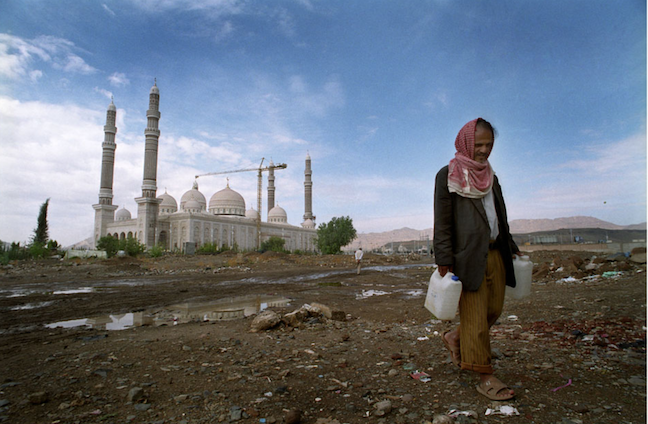
Karim has also taken photographs in Yemen over a decade ago. Some of these are archived on the New York Times blog. One of my favorites is the image of the mammoth mosque built in Sanaa by the late President Ali Abdullah Salih.
One of the most famous Arab navigators is the Omani Ahmad b. Majid, who flourished in the latter half of the 15th century. If you google his name on Youtube you will find a variety of videos, cartoons and films. Above is a brief sample.