This new recording by Misagh Joolaee is sad but enthralling at the same time. Read about it and listen on the Qantara Website.

This new recording by Misagh Joolaee is sad but enthralling at the same time. Read about it and listen on the Qantara Website.

AIYS member and long-time supporter Marjorie Ransom published her beautifully illustrated and diligently researched book on Yemeni silverwork in 2014 . This is a must for anyone interested in Yemeni culture. If you do not already have a copy, it can be purchased from AUC Press. Get your copy today…
The photographs are exquisite as the samples here show.

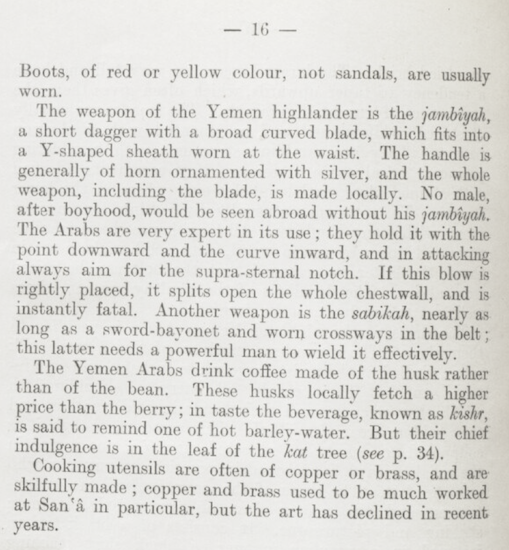
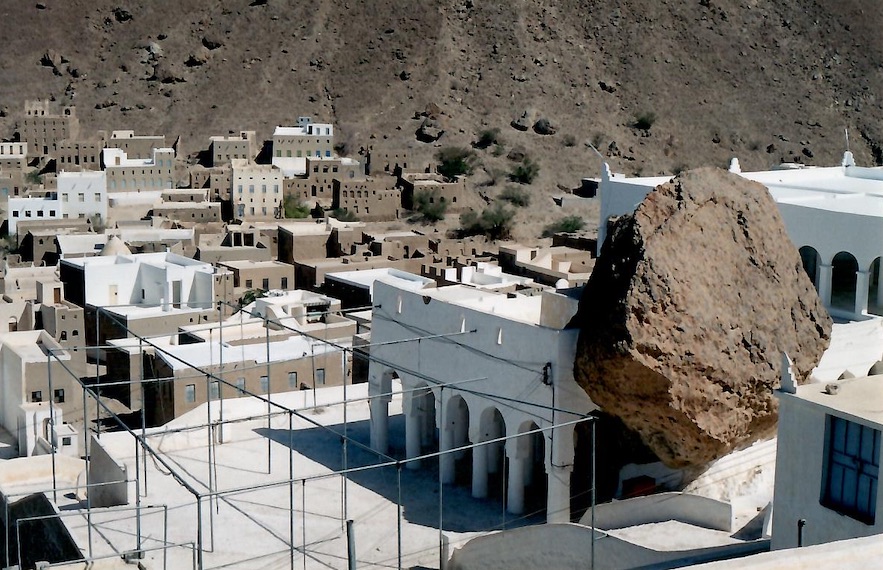
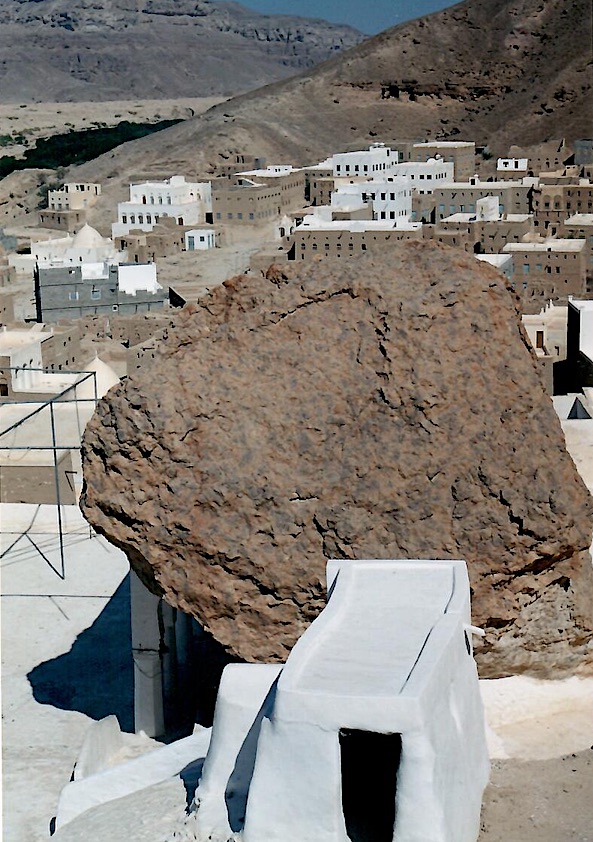
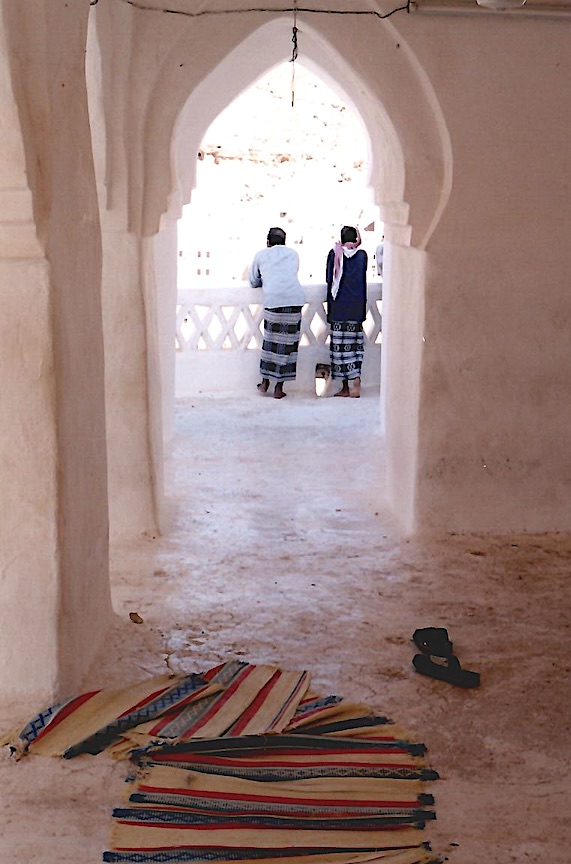
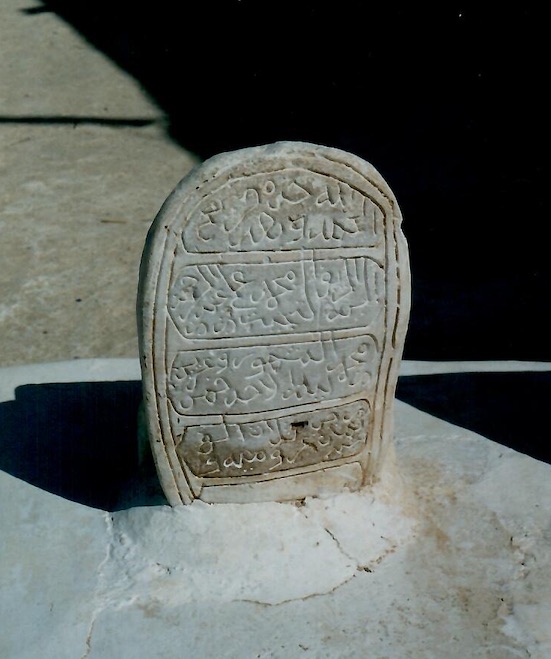
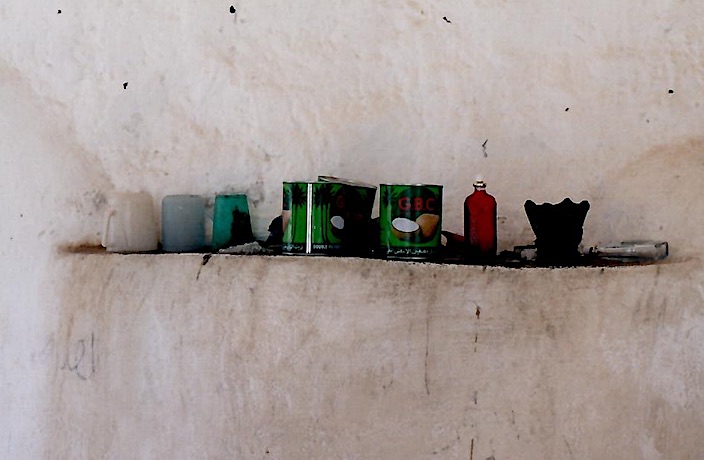
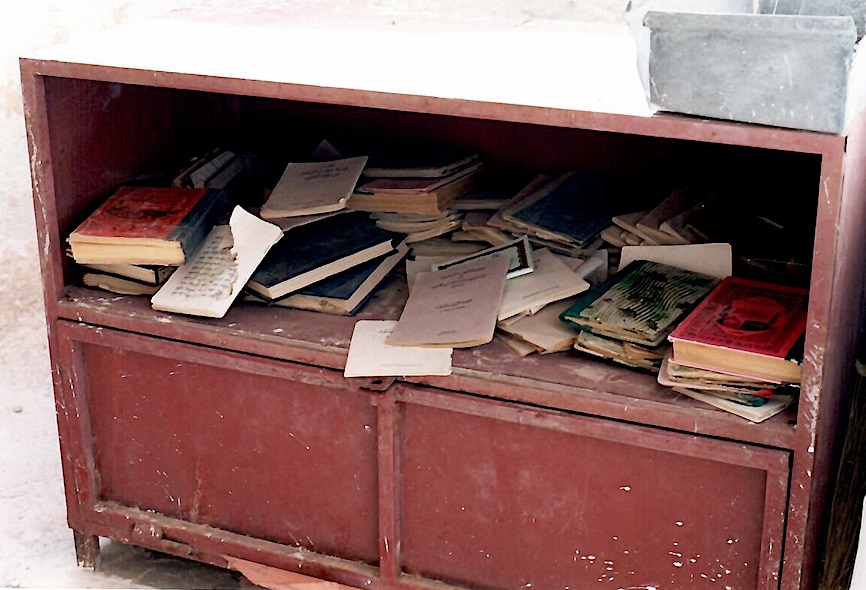
One of the most impressive architectural sites in Yemen is off the beaten track in the Hadramawt, about 90 miles north of al-Mukalla. This is the shrine of the pre-Islamic prophet Nabi Hud. The local mosque is build around a giant boulder. Hud has a surah in the Qu’ran named after him. For a video on the annual pilgrimage to the shrine, click here. I visited the shrine in 2005 and took these photographs.


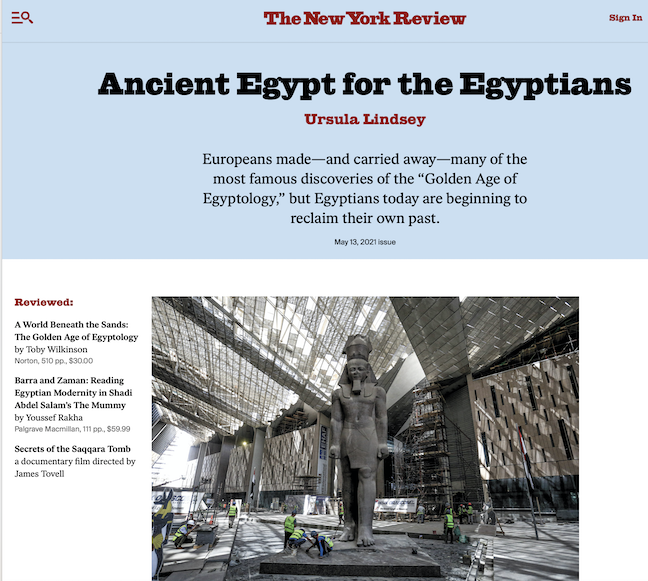
The New York Review of Books has an interesting review of three recent books on the archaeology and filmic versions of ancient Egypt.
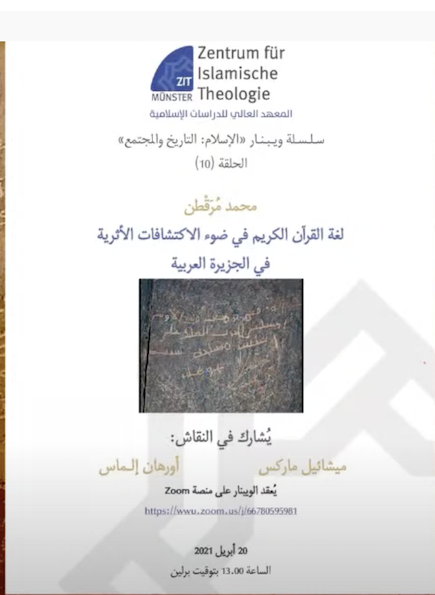
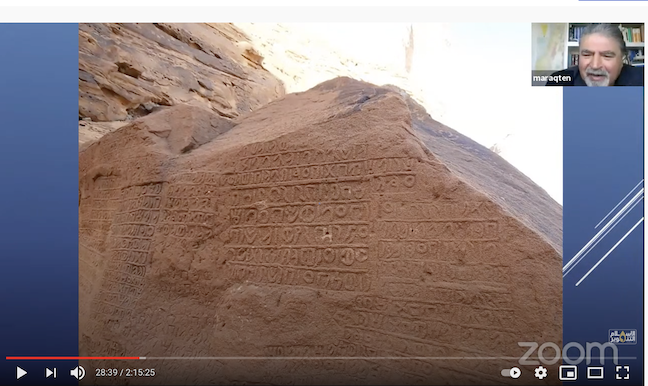
Dr. Muhammad Maraqten, the distinguished archaeologist and specialist on ancient pre-Islamic languages of the Arabian Peninsula, delivered a lecture almost a year ago on our knowledge of the language of the Qu’ran based on the findings of surviving inscriptions in earlier languages. His talk is in Arabic and it is well illustrated.

There were many books written by Christian missionaries and clergy during the 19th century. While the text itself has long since been outdated, the engravings are still fascinating to look at. The illustrations here are from an 1875 book of Bible Manners and Customs by the Methodist-Episcopal preacher James M. Freeman. It is available for free on archive.org. But there is also a brand new edition currently in press for 2021 and already noted on Amazon. I attach several of the images below the book title.


There is an excellent discussion of the origins and extent of apostasy laws in Islamic contexts by Dr. Ahmet Kuru, Porteous Professor of Political Science at San Diego State University in the online forum Qantara.